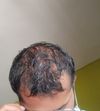
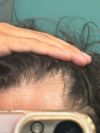
A 36-year-old experienced slow, diffuse hair thinning over 15 years and saw significant improvement using 5% topical minoxidil alone for 3 months, without finasteride or microneedling. The user is pleased with the results, noting increased hair density and no visible scalp, and plans to continue monitoring progress without using hormone-affecting treatments.
Microneedling for hair loss, with concerns about cost and conflicting information on protocols. The user is unsure about purchasing and reusing microneedling stampers.
The user is using a topical spray containing finasteride, minoxidil, ketoconazole, and biotin for hair loss and plans to add weekly dermastamping, starting with a needle length of 0.6mm. They seek advice on the safety of combining these treatments, the impact of skipping one dose weekly, and the frequency of replacing the dermastamp.
A dental technician claims malocclusion causes pattern hair loss due to poor scalp circulation. Users debate this, noting treatments like finasteride, minoxidil, and microneedling focus on DHT and bloodflow.
The user has been using Minoxidil and finasteride for two years, which stopped their hair loss but did not regrow hair. They are inquiring if adding microneedling or tretinoin has provided benefits to others in similar situations.
User has been using minoxidil 6%, finasteride 0.3%, tretinoin 0.025%, and microneedling twice a week for 2.5 months. They are considering switching to oral treatments.
A 35-year-old user shared their 4-month progress using Minoxidil, Finasteride, microneedling, and vitamins to treat hair thinning. They reported increased hair density, thicker strands, and deeper color, especially in the crown area.
The user has been using a topical solution of minoxidil 5% and finasteride 0.025% daily, along with dermastamping every two weeks and ketoconazole shampoo twice a week for four months. The treatment is for hair loss.
A user is experiencing uneven hair thinning and has tried topical minoxidil without success and finasteride with adverse effects. They are considering microneedling and PRP treatments while avoiding finasteride, and another user suggests trying dutasteride as an alternative.
Microneedling alone may slightly slow hair loss but doesn't promote regrowth or improve hair density. Combining treatments like finasteride or minoxidil with microneedling may yield better results.
The user is considering blood tests to understand their receding hairline and is exploring brewer's yeast for its biotin content. They have been using topical Minoxidil, biotin, collagen, and microneedling, but are avoiding oral Finasteride and Dutasteride.
The conversation discusses using a low dose of topical finasteride to achieve hair benefits with minimal systemic exposure. Users share experiences and opinions on dosing, systemic buildup, and side effects of both topical and oral finasteride.
Veradermics' phase 2 trial of slow-release oral minoxidil shows promising hair regrowth with minimized side effects, gaining significant attention and funding. PP405 is also noted for its potential as a side-effect-free alternative.
People are discussing using tretinoin with minoxidil for hair loss treatment, focusing on application methods and results. Microneedling is mentioned as a separate method to promote hair growth, with some debate on its effectiveness in enhancing minoxidil absorption.
A 26-year-old male shared his 3-month progress using Minoxidil and finasteride daily, microneedling weekly, and occasional vitamin D3. A commenter praised his impressive results.
The user has been using Minoxidil and Finasteride for over a year with limited success and is now trying microneedling. They seek advice on using hyaluronic acid to help the microneedling pen glide smoothly on the scalp.
Using a dermaroller with topical minoxidil and oral finasteride regrows hair and improves temple areas. Users highlight the benefits of microneedling tools and stress the importance of consistency and proper sanitation.
Concerns about metal particles from dermapen or dermaroller needles potentially entering the skin and lymph nodes, similar to tattoo needles. Discussion includes the possibility of using Minoxidil, finasteride, and RU58841 for hair loss treatment.
Minoxidil and microneedling are causing new hair growth, particularly in the center of the hairline, creating a more prominent M shape. Users discuss the progress and potential benefits of the treatment.
A trans woman is using 10 mg oral minoxidil, dutasteride, and estradiol for hair regrowth and is also doing dermastamping despite the pain. Users discuss the benefits of dermastamping for serum absorption and hair follicle stimulation, with some expressing surprise at the high minoxidil dosage.
Using retinol with minoxidil may not be as effective as tretinoin, but retinaldehyde or adapalene could be alternatives. A micro-roller with minoxidil is suggested for better results.
The user is considering switching from oral to topical minoxidil due to lack of improvement and side effects, while continuing with dutasteride or finasteride. They seek advice from others with diffuse thinning.
Combining microneedling and tretinoin with topical minoxidil involves discontinuing tretinoin a week before microneedling and resuming it a week after. Some people microneedle weekly, adjusting tretinoin use accordingly.
Extended-release oral minoxidil (VDPHL01) shows promising results for hair growth with improved safety, achieving significant hair count increases and minimal side effects compared to placebo. The treatment is designed to maintain effective concentrations while reducing side effects, making it a safer option for those who cannot tolerate standard minoxidil.
Oral minoxidil is causing significant blood pressure fluctuations and increased heart rate, leading the user to consider switching to topical minoxidil and tretinoin. The user plans to consult a cardiologist and is likely to stop using oral minoxidil.
Verteporfin is being explored for its potential to improve hair transplant outcomes by reducing scarring and increasing donor hair follicles. There is skepticism about the results, with some claiming misleading presentation of evidence.
The user experienced noticeable hair regrowth, especially at the hairline, after using Minoxidil, microneedling, vitamins, and specific shampoos for 2-3 months. They are considering adding finasteride but are hesitant due to potential side effects.
MCL-1 protein may help maintain hair follicles in the growth phase and prevent miniaturization. There is interest in experimental treatments like exosomes, peptides, or stem cell serums to upregulate MCL-1 for hair loss, especially for those not using minoxidil or finasteride.