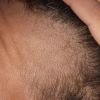
Using tretinoin with minoxidil can enhance hair growth results. Microneedling and ketoconazole shampoo are also used to improve scalp health and treatment efficacy.
Liquid minoxidil caused mild seborrheic dermatitis on the user's eyebrows, likely due to propylene glycol. The user is considering switching to foam or oral minoxidil to avoid irritation on the scalp/temples.
A user from France is seeking ways to obtain oral minoxidil in the EU without a prescription, as local doctors are hesitant to prescribe it. Suggestions include visiting Spain for a prescription, ordering online, or consulting doctors in other EU countries like Portugal.
Minoxidil and finasteride effectively improve hairlines and reduce balding, though some users report side effects like reduced libido. Consistent use over 1-2 years leads to significant hair regrowth, with some users also using skincare and biotin for added benefits.
Liquid minoxidil makes hair sticky and stiff; users suggest oral minoxidil or minoxidil foam as alternatives. Applying minoxidil four hours before showering can help with absorption.
Topical minoxidil with retinoic acid is effective but causes scalp irritation, leading the user to consider switching to 2.5mg oral minoxidil. Oral minoxidil may cause body hair growth and heart-related side effects, so it's advised to use it under medical guidance.
A 20-year-old female is considering whether to continue using minoxidil for hair loss after recovering from an eating disorder and iron deficiency. She is concerned about hair shedding and is advised to focus on nutrition and iron intake, with the option to taper off minoxidil gradually if she chooses to stop.
The user is experiencing a receding hairline and strong shedding after starting minoxidil 10 days ago, applying it only on the temples. They are considering using it on the entire scalp and have started using conditioner and leave-in treatments for weak, wavy/curly hair.
Mixing tretinoin into minoxidil foam is being considered to simplify a hair loss treatment routine. The current regimen includes oral dutasteride, topical tretinoin, topical minoxidil, and fluridil.
The user experienced positive results with topical Minoxidil 6%, Finasteride 0.3%, and Tretinoin 0.025% over two months, with improved hair density and no significant side effects except for a dry, itchy scalp. The user uses a biotin shampoo and conditioner to manage scalp issues and applies the treatment once daily.
Minoxidil is more effective when combined with retinoic acid, such as tretinoin or tazarotene, enhancing hair growth. Some users experience significant regrowth, while others see minimal effects or side effects.
Minoxidil with Tretinoin costs $50 monthly, but Kirkland brand is suggested as a cheaper alternative. The conversation questions if the higher-priced option is worth it.
Minoxidil and finasteride are used for hair regrowth, but initial shedding can be distressing. Consistent use is important, and many users eventually see regrowth and thickening.
The conversation discusses using Minoxidil with Tretinoin and Fexofenadine for hair loss. Some users doubt its effectiveness, noting Fexofenadine's unproven results for androgenetic alopecia.
The user experienced hair thinning after switching from topical to oral minoxidil while also using finasteride. They are considering returning to topical minoxidil due to lack of improvement with the oral version.
Oral minoxidil can increase body hair growth, but effects differ among individuals. Some recommend topical minoxidil to prevent unwanted body hair while preserving scalp hair.
OP has been using 5% minoxidil twice daily for a year, resulting in some baby hair growth, but many have not matured. They are questioning if they are overusing minoxidil.
PRP therapy cannot make oral minoxidil's effects permanent, as minoxidil does not stay permanently in the system. Dosage of oral minoxidil is typically increased gradually, but there is a limit, and it should not be increased indefinitely.
Switching from topical to oral minoxidil for hair loss, with plans to use it alongside dutasteride. Users report mixed experiences, including increased body hair, potential heart-related side effects, and varying hair regrowth.
Oral minoxidil can cause severe side effects, including heart issues, even at low doses. Users suggest starting with a lower dose or using topical treatments to minimize risks.
A 23-year-old with Norwood 4 hair loss is using minoxidil, finasteride, oral minoxidil, a multivitamin, and derma rolling, seeking advice on whether to increase minoxidil usage despite cost concerns. A dermatologist recommended the regimen, and the user added derma rolling and tretinoin.
Combining tretinoin with minoxidil may improve absorption by exfoliating the scalp, but results vary. Users suggest starting with low frequency to avoid irritation, and some recommend additional treatments like finasteride or microneedling.
A user bought Kirkland Minoxidil from a TikTok shop and sought confirmation of its authenticity through a bleach test, which some users warned could be dangerous. Many participants advised against buying from TikTok due to the risk of fakes, suggesting alternatives like buying from Costco or reputable online pharmacies.
The conversation is about the systemic absorption of Minoxidil and the potential switch from topical to oral Minoxidil due to its effectiveness. The user considers oral Minoxidil after experiencing no side effects from a year of using 15% topical Minoxidil.
The conversation discusses various methods for applying topical minoxidil to the scalp, including using fingers, a shoe polish bottle, a dropper, a toothbrush, a q-tip, a makeup brush, and a syringe. Users emphasize the importance of massaging the product into the scalp for better absorption.
Switching from oral to topical minoxidil due to health issues, with advice on using tretinoin to enhance effectiveness. Tretinoin can improve minoxidil absorption and effectiveness, potentially reducing application frequency.
Minoxidil is highly toxic to cats, and even small amounts can be fatal. The user decided against using topical minoxidil due to the risk to their cats and considered oral minoxidil and ketoconazole shampoo as alternatives.
Minoxidil can cause scalp flaking and dryness, often due to its alcohol content. Switching to foam minoxidil or using antifungal shampoos like Ketoconazole may help reduce these side effects.