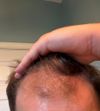
The conversation is about hair loss treatments, specifically using dermarolling, rosemaryoil, and minoxidil. The user experienced side effects with finasteride and is considering alternative treatments.
Peppermint oil may increase hair thickness more effectively than minoxidil, but its effects are mostly studied in animals. Users report mixed results, with some seeing no regrowth and others noting slight improvements when combined with other treatments.
The user has been using finasteride (1mg daily) and oral minoxidil (2.5mg) for 2.5 years to treat diffuse thinning hair, with no side effects reported. They are satisfied with the progress, noting that the treatment has slowed hair loss and costs about £30 a month.
Minoxidil alone gave one user only short fuzzy hair after a year. They're now trying a 0.5 microneedling roller and seeking opinions on its effectiveness after using minoxidil.
The conversation discusses using microneedling combined with castor, peppermint, rosemaryoils, and caffeine as a treatment for mild hair loss, aiming to stop or slow down hair loss and potentially regrow hair. The effectiveness of this treatment without side effects is uncertain, and it may slow hair loss but results vary.
A user shared their hair regrowth journey using 5% minoxidil, Saw Palmetto, Pumpkin seed oil supplements, weekly Derma rolling, and daily rosemaryoil treatment. They posted progress pictures comparing Day 1 and Month 1 but are unsure about regrowth.
The conversation discusses using microneedling and peppermint oil as an alternative treatment for hair loss, with the original poster having previously experienced side effects from finasteride and minoxidil. Another user mentions mixing peppermint oil with jbco (Jamaican black castor oil) for hair growth and also experiencing side effects from minoxidil.
A user shared their 3-month hair loss progress using finasteride, minoxidil, low-level light therapy, pumpkin seed oil, and rosemaryoil. The user saw a reduction in balding crown size but couldn't determine which treatment was most effective.
User applied topical Minoxidil 5% and Finasteride 0.1% daily, with rosemaryoil weekly, and saw initial baby hair growth. They plan to add derma stamping and Redensyl serum.
A 16-year-old is asking if their hair situation has improved after using rosemaryoil, rosemary water, derma rolling, and ketoconazole, and is considering starting Minoxidil. Replies comment on the user's hairiness and high DHT levels.
The user has been taking oral minoxidil and finasteride for 10 months with no hair growth but no further hair loss. They are considering adding rosemaryoil and possibly returning to a topical solution.
The conversation is about whether one can start with minoxidil and then switch to alternatives like rosemaryoil or redensyl to maintain hair growth. The consensus is that alternatives like rosemaryoil are ineffective.
Hair fall has stopped, but growth is slow after 4 months of using topical minoxidil and finasteride, along with weekly rosemary and peppermint oil. No side effects have been experienced so far.
A user shared progress pictures after 2 months of using oral minoxidil for hair loss and plans to start dermarolling and finasteride. Responses varied, with some seeing slight improvement and others suggesting more time or a hair transplant for significant results.
The conversation discusses using minoxidil, finasteride, a dermastamp, and botanical oils like peppermint, rosemary, and pumpkin seed oil for hair growth. The user is considering using Alpha Infuse, which combines microneedling with plant oils, to enhance results.
Peppermint oil and minoxidil were compared for hair growth in mice, with peppermint oil showing potential. A user plans to use topical finasteride and minoxidil for hair loss treatment.
The conversation is about the use of peppermint essential oil for hair loss, asking which type to use and how to apply it. One user reported using peppermint oil daily for six months without seeing any results.
A user reports significantly reduced hair shedding by using a topical mixture containing 10% Minoxidil, 0.1% Melatonin, 5% Azelaic Acid, 5% RosemaryOil, and 5% Peppermint Oil, and attributes the success mainly to Melatonin. They also use a copper peptide serum (AHK-Cu) for hair growth and Ketoconazole shampoo for scalp cleaning, but have stopped using other treatments like Finasteride and RU58841.
Safflower oil is suggested as an alternative to minoxidil for hair growth, with benefits including scalp conditioning and hair strength enhancement. Studies indicate it may also reverse scalp dermatitis, alopecia, and prevent premature grayness.
The effects of using various treatments on hair loss, with one user reporting positive results after 6 months and another user commending their progress. Treatments discussed include rosemary mixed with jojoba oil, minoxidil, finasteride, dermarolling, dermastamp, and Nizoral shampoo.
A 21-year-old experiencing hair loss noticed reduced hair fall and new growth after using rosemaryoil and amla, but results are slow. Users suggest natural remedies may not be effective long-term and recommend consulting a dermatologist or considering finasteride for better results.
Microneedling can be effective for hair regrowth, especially when used with oils like castor, emu, and rosemary, but should be done with caution regarding needle size and frequency. Some users avoid minoxidil due to its side effects and cost, opting for alternatives like rosemaryoil.
Alcohol-free minoxidil options in Europe, particularly from a German pharmacy, are recommended for those with seborrheic dermatitis. Users suggest alternatives like Alopexy and Doppelherz foam, and emphasize avoiding propylene glycol and alcohol to reduce irritation.
The conversation discusses the lack of updates on GT20029 for hair loss treatment, with some users noting recent reports indicating ongoing data collection. There are mentions of other treatments like Pyrilutamide and Minoxidil.
Hair loss discussion mentions using Minoxidil, Finasteride, and RU58841. Users compare subscription services for hair treatments to other daily necessities and discuss cheaper alternatives.
The conversation is about an 18-year-old's progress with hair regrowth using oral Minoxidil, dermarolling, and RU58841 over three months, starting treatment after beginning to lose hair at 16. Participants are impressed with the improvement and encourage continued treatment.
The user has been on finasteride for 16 months and is considering natural remedies like peppermint oil, rosemaryoil, saw palmetto, green tea extract, l-lysine, and oral castor oil to enhance hair growth in addition to finasteride. They are interested in the potential benefits of combining these natural treatments with finasteride to improve hair loss outcomes.
The conversation discusses using herbal oils, scalp massage, and dietary changes for hair loss prevention, with some success in regrowing baby hairs. Treatments mentioned include peppermint oil, cinnamon oil, castor oil, and RU58841.
The user experienced significant hair regrowth over four months using oral finasteride, oral minoxidil, micro-needling, and rosemaryoil. They reported no side effects and emphasized the importance of continuing the treatment to maintain results.