Search
for
Sort by
Community Join
270-300 / 1000+ resultscommunity Is this a good shampoo? XHC Ginger Shampoo. £1 a bottle
The conversation is about evaluating the effectiveness and affordability of XHC Ginger Shampoo for hair loss. The user lists the ingredients and expresses that it looks promising and inexpensive.
community Making own RU58841 scalp lotion
community Anyone using Peppermint oil/ similar oils and seeing growth?
Peppermint oil may be beneficial for hair growth, potentially outperforming minoxidil. Users discuss its effectiveness compared to other treatments like finasteride and RU58841.
community 24M - 9 months of dutasteride and oral minoxidil progress
A 24-year-old male experienced significant hair regrowth after 9 months of using oral minoxidil and dutasteride, with no side effects and increased confidence. He plans to continue the treatment long-term and is considering a hair transplant for his hairline.
community Stop Using Salicylic acid on your face if using minoxidil for beard growth
Salicylic acid can reduce the effectiveness of minoxidil for beard growth. Users discuss avoiding salicylic acid when using minoxidil.
community Am i too obsessed with hair loss prevention? And Is This obsession healty? Am i the only one? Look at my collection In This picture: Oral finasteride/ topical finasteride/ minoxidil 5% + tretinoin/ minoxidil 5%/ Alfatradiol 0.025%/Stemoxydine 5%/ dermapen/ketoconazole 1%/viviscal/procyanidin B2.
User obsessed with hair loss prevention shares collection of treatments, including oral and topical finasteride, minoxidil, dermapen, and more. Others suggest adding RU58841, laser helmet, and PRP, while some advise dropping certain treatments for long-term manageability.
community Has anyone here tried Vichy Dercos Aminexil Clinical R.E.G.E.N. Booster?
The conversation discusses the effectiveness of Vichy Dercos Aminexil Clinical R.E.G.E.N. Booster for hair shedding and thinning. The main ingredient, Aminexil, is compared to Minoxidil, and the user seeks real experiences to determine its efficacy.
community Is it sign of regrowing? Vitamin Deficiency
The user experienced hair regrowth after using rosemary oil daily, vitamin gummies, and getting plenty of sleep. The timeframe between the before and after pictures is one week.
community Fin 1mg / min foam twice a day 4 months
Hair loss treatment with Fin 1mg, Min foam twice a day for 4 months. Minoxidil can make hair darker by stimulating melanocytes; keto shampoo also used.
community Peppermint Oil vs Lavender Oil vs Rosemary Oil vs Pumpkin Seed Oil- Which one/ combination is best?
People discussed using peppermint, lavender, rosemary, and pumpkin seed oils for hair regrowth or thickening. They shared personal experiences and recommendations on using these oils alone or in combination.
community Peppermint Oil vs Minoxidil
The user experienced positive results for hair loss using minoxidil but stopped due to side effects like heart palpitations and increased body hair. They are considering peppermint oil as an alternative and are curious about its effectiveness and potential side effects.
community 2 months progress on oral and topical MIN
A user shared their 2-month progress using oral and topical minoxidil, oral finasteride, topical rosemary oil, keto shampoo, a derma pen, and scalp massages for hair loss. They reported significant improvement and plan to continue with updates.
community Anyone have experiences with Gugo Vine Bark shampoo?
Gugo Vine Bark shampoo is discussed as a potential hair loss treatment, but opinions vary on its effectiveness. Some suggest using proven treatments like finasteride, minoxidil, or ketoconazole instead.
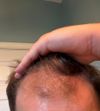
community (M25) 10 months on oral min/fin, no growth. Need advice
The user has been taking oral minoxidil and finasteride for 10 months with no hair growth but no further hair loss. They are considering adding rosemary oil and possibly returning to a topical solution.
community Finastride and rosemary oil/castor oil
community Any red flags in these shampoo ingredients (Davines VOLU)? I only use it about once a week
The conversation is about evaluating the ingredients in Davines VOLU shampoo for potential red flags. The user is concerned about which ingredients to avoid despite the shampoo being sulfate-free.
community Best shampoo and conditioner for hair loss
The user is using minoxidil, finasteride, Nizoral 2%, and microneedling for hair loss but finds Nizoral drying. They seek affordable shampoo and conditioner recommendations, with one reply suggesting baby shampoo for non-Nizoral days.
community Can the ingredients in a sebum-regulating shampoo induce hair diameter reduction?
A user experienced hair thinning and scalp issues after using a sebum-regulating shampoo and perm treatments. They are advised to consider potential allergies, try a simple shampoo, and research treatments like finasteride for possible male pattern baldness.
community Has anyone ever tried using (all topicals) finasteride + minoxidil + rosemary oil + castor oil + stemoxydine all over the course of a few months/years?
The user is using topical finasteride and minoxidil for hair loss and is considering adding rosemary oil, castor oil, and stemoxydine to their routine. They are asking if anyone has experience with this combination or a similar one.
community Improvement after 9 months on finasteride?
A 23-year-old has been using minoxidil, finasteride, ketoconazole shampoo, biotin, and microneedling for hair loss, noticing baby hairs and a fuller hairline. They are considering adding rosemary oil and a dermastamp to improve thinning areas, especially around the temples.
community Topical minoxidil, biotin shampoo/supplement (pills)
The conversation discusses successful hair regrowth using topical minoxidil and biotin shampoo/supplements, avoiding finasteride due to its side effects. Specific brands of shampoo, conditioner, and biotin pills were inquired about but not mentioned.
community Peppermint Oil Promotes Hair Growth without Toxic Signs -Toxicological Research | Korea Science
Peppermint oil promotes hair growth without toxic effects. Treatments discussed include Minoxidil, finasteride, and RU58841.
community Dermastamp Question while I start my joyrney
Use a dermastamp with rosemary, peppermint, and coconut oil mixture for hair loss. Consider needle length, frequency, and number of passes for effective results.
community Shampoo without salicylic acid
A user is seeking a hair-loss shampoo without salicylic acid due to an allergy. Recommendations include using Finasteride, Minoxidil, and Nizoral Anti-Dandruff Shampoo (ketoconazole), while avoiding Nizoral Scalp Psoriasis Shampoo & Conditioner.
community 3 Months into using Minoxidil / Finasteride / Keto / Microneedling / Rosemary Oil, and I think I’m starting to see progress!
A 33-year-old who has been using minoxidil and finasteride, along with keto shampoo, rosemary oil, and microneedling to treat their hair loss. The user is hopeful they are starting to see progress in filling in bald spots.
community Progress pictures February 21-April 21
The user shared progress pictures of hair regrowth using 1mg finasteride, 5% topical minoxidil, derma stamping, and rosemary and mint hair oil. Responses varied, with some noting visible regrowth and others questioning the effectiveness of the oils.
community Topical peppermint may reduce scalp T and DHT?
Peppermint oil may promote hair regrowth by decreasing scalp testosterone and DHT levels. Other herbs in the Mint family, like spearmint and rosemary, might also reduce testosterone.
community 4.5 months on topical fin (0.025% liposomal)
Hair loss progress discussed with 4.5 months on topical fin (0.025% liposomal). User uses rosemary oil for scalp health, and others think there might be some thickening or maintenance.
community 4 months on topical fin/minox 5 times weekly, DUT 2 times weekly, rosemary oil shampoo, ketoconazole, and pumpkin seed oil. Very happy with results! Overall thickness is great, even my barber complimented it!
A user shared progress pictures after 4 months of using topical finasteride and minoxidil, dutasteride, rosemary oil shampoo, ketoconazole, and pumpkin seed oil, reporting great results and increased hair thickness. Other users commented on the mild initial hair loss and congratulated the user on their success.