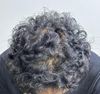
The conversation is about adding a low dose of pyrilutamide to a hair loss treatment regimen. Specific treatments mentioned include Minoxidil, finasteride, and RU58841.
The topical solution with 1% finasteride and 5% minoxidil, using water, glycerin, and PEG-40 hydrogenated castor oil as carriers, is considered adequate for hair loss treatment. Consistent use is recommended, with full results potentially taking up to a year.
The user is experiencing gradual hair growth using 5% minoxidil, 0.01% finasteride, vitamins, capixyl serum, niacin, and weekly microneedling, with plans to increase finasteride dosage. Despite some side effects, they remain optimistic about hair transplant results, focusing on the crown and temples.
A 51-year-old woman switched from Minoxidil to Maneup, a copper peptide treatment, experiencing initial hair loss but later regrowth with different hair texture. Users debated Maneup's effectiveness, with some considering it alongside finasteride.
Stopping Minoxidil caused significant hair loss, which was mostly regained after resuming 1mg Finasteride and 3mg oral Minoxidil. Consistent use of both treatments is essential for maintaining hair growth.
The user has been using Minoxidil 1.5 times a day for 4 months, Finasteride 1mg for 3 months, and microneedling once a week. They are unsure about their progress due to colorblindness, but another user noted some improvement.
Start hair loss treatments early for best results. Finasteride, Dutasteride, Minoxidil, and microneedling are commonly used, with some users experiencing side effects but often regretting delayed treatment.
The user experienced increased hair density and improved hairline definition after 8 months of using 1mg finasteride and 5mg minoxidil (both oral and topical) daily, though the hairline recession hasn't reversed. They noticed fuller eyelashes and increased shedding, but overall hair growth is outpacing the loss.
A user shared their 2-month progress using 1mg finasteride daily, 5% minoxidil with 0.1% finasteride topically twice a day, and Vitamin D3 weekly. They experienced initial side effects like weaker erections and mood swings, which resolved after one month.
The conversation discusses using tretinoin as an additional treatment for hair loss alongside minoxidil, with plans to test its effectiveness by applying it to only one side of the scalp. The user intends to start this experiment after using minoxidil for a year.
The conversation discusses hair loss treatments, specifically the use of minoxidil and the potential addition of finasteride. The user has seen some progress with minoxidil but is hesitant about finasteride due to possible side effects, while others suggest combining both for better long-term results.
A 33-year-old is considering using Minoxidil and Dutasteride for hair loss but is hesitant due to concerns about long-term commitment and side effects. They are advised to consider starting with topical treatments to assess their response.
The user experienced progress in hair recovery using oral finasteride and minoxidil, despite some side effects like increased heart rate. They switched from foam to oral treatments for convenience and reported minimal shedding.
A user's 1 year progress using a combination of treatments, including Minoxidil BID, finasteride, microneedling, tretinoin, and ketoconazole shampoo, for hair loss. Replies included advice such as to consider switching the strength of minoxidil or getting a shorter haircut.
The user experienced hair regrowth using oral finasteride and minoxidil once per day over 18 months, with noticeable improvements starting around month five. They reported no side effects from finasteride and found oral treatment more effective than topical.
A user trying various treatments for hair loss, such as minoxidil, stemoyxidine, alfatradiol, and microneedling, with plans to add tretinoine and finasteride.
Hair loss treatment with Finasteride and Minoxidil showed significant improvement in 5 months. No side effects experienced, only minor shedding at the beginning.
The user is using oral finasteride, topical minoxidil, and tretinoin to treat hair loss. After two months, there is noticeable thickening and maintenance of the hairline.
The user aims to achieve a hypertrichosis look and has used topical Minoxidil for 20 years, now trying oral Minoxidil in a low dose. They seek alternatives to Minoxidil to avoid side effects.
A 27-year-old male has been using oral minoxidil and topical finasteride for 3 months, noticing fuller, thicker hair with no side effects. Users discuss the effectiveness and side effects of oral versus topical treatments, with some recommending higher doses or additional treatments like topical minoxidil.
A 24-year-old experienced improved hair growth using 5% minoxidil, 1 mg finasteride, and dermastamping, but faced side effects like low libido and mild erectile dysfunction. They plan to reduce finasteride dosage after full results and may consider a hair transplant if thinning recurs.
How combining minoxidil, finasteride and pyrilutamide has helped the user with hair loss. The user also acknowledges that it takes time to see any results and that minoxidil is necessary for stimulating new hair growth.
A user's 7-month progress using 1 mg finasteride and topical minoxidil, with no side effects from the finasteride, achieving baby hairs on the hairline and other positive results. Other users have discussed different treatments such as microneedling and supplements, providing advice and encouragement to the poster.
The user is using minoxidil and recently started fluridil for mild hair loss and is questioning if this treatment is sufficient without finasteride. They have finasteride available but prefer not to use it.
A user's experience with microneedling monotherapy and potential treatments such as finasteride, minoxidil, Stemoxydine, rosemary oil, peppermint oil, and RU58841 for reversing hair loss.
Minoxidil 5% combined with 0.01% tretinoin may be as effective as using minoxidil twice daily. Users discuss switching to oral minoxidil for consistency, with concerns about side effects.
User "hairlossblows" shares their positive experience with minoxidil, microneedling, and finasteride for hair loss treatment. They report significant hair regrowth, especially in the hairline, and minimal side effects from finasteride.
A user shared progress pictures after 11 months on finasteride and minoxidil, with intermittent microneedling. The community responded positively, noting significant hair regrowth and encouraging continued treatment.
A 24-year-old woman with hair loss due to anemia and possibly thyroid issues is undergoing mesotherapy, which was only applied to the top of her head. She is considering minoxidil and is concerned about the effectiveness of the treatment, as her hair loss is not related to hormonal factors.
The user reports noticeable hair regrowth after using 2.5mg oral minoxidil daily and 2% ketoconazole shampoo every other day for three months. The dermatologist advised against finasteride due to the user's age but mentioned it might be needed later.