RU58841, a potential hair loss treatment, was not commercialized due to marketability issues and lack of long-term safety data. Concerns about its formulation and delivery methods further complicate its use.
After 4 months on oral minoxidil with no significant hair regrowth, a user is frustrated and considering alternative treatments since they can't take finasteride due to side effects. Suggestions include natural DHT blockers, lifestyle changes, and other hair care tips.
Dutasteride is often blamed for worsening hair loss, but initial shedding may lead to improvement, requiring patience. Some users find success with dutasteride, finasteride, and minoxidil, while others experience side effects or no improvement.
Concerns about a potential finasteride ban in the EU, possibly affecting the US, are discussed. Users doubt a ban, citing its widespread use and suggest alternatives like minoxidil and dutasteride.
Hair regrowth from treatments like minoxidil, RU58841, and finasteride is not permanent; stopping these treatments typically results in hair loss resuming. Beard hair can become permanent with minoxidil use, unlike scalp hair, which requires ongoing treatment to maintain gains.
The conversation discusses hair loss treatments, with users mentioning dutasteride (Dut) as effective and wishing for more accessible dosages. They also debate the components of the "big 3" treatments, which now include Dut, RU58841, and oral minoxidil, with finasteride and minoxidil being consistently mentioned.
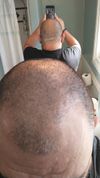
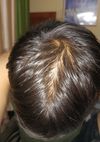
The user reported noticeable hair improvement over four months using 1 mg of finasteride and weekly microneedling. Progress photos from October 2024 to January 2025 show positive changes.
MCL-1 protein may help maintain hair follicles in the growth phase and prevent miniaturization. There is interest in experimental treatments like exosomes, peptides, or stem cell serums to upregulate MCL-1 for hair loss, especially for those not using minoxidil or finasteride.
A potential new hair loss treatment, HMI-115, and the possibility of discontinuing finasteride in favor of it. The conversation also includes discussion about other benefits of using finasteride.
HMI-115 is a new drug developed by Bioinvent and licensed by Bayer, with mixed opinions on its potential effectiveness. Some users are skeptical and prefer proven treatments like Minoxidil, finasteride, and RU58841.
The conversation discusses the potential use of HMI 115 for hair loss and whether it could replace or be used alongside finasteride, minoxidil, and RU58841. The user is experiencing scalp inflammation and continued hair shedding despite using finasteride for 8 years.
The conversation discusses using GFM Gel, a topical gel with polypeptides that mimic growth factors to promote hair regrowth and strengthen hair. It also mentions treatments like Minoxidil, finasteride, and RU58841 for hair loss.
A 20-year-old diffuse thinner has been using finasteride for 8 months and is considering adding minoxidil to their routine. A user suggests incorporating minoxidil for quicker regrowth, despite the hassle of daily application, while continuing finasteride.
The user experienced hair regrowth using finasteride for 2 years, minoxidil for 2 months, and microneedling once a month. They reported no side effects and used 5% topical minoxidil in liquid form.
The conversation discusses using Actifolic tretinoin to enhance the absorption of Minoxidil for hair loss treatment. It questions the amount of tretinoin to use and whether to apply it before or after Minoxidil.
A user reported significant hair growth improvements using 1mg finasteride and 2.5mg minoxidil daily, despite minor side effects. The doctor advised against combining multiple treatments to identify what works.
The conversation discusses a comparison table for a spray combining Minoxidil and Finasteride for hair loss treatment in the UK. Specific treatments mentioned are Minoxidil (Min) and Finasteride (Fin).
Hair loss treatments discussed include Minoxidil, Finasteride, and RU58841. HMI-115, a monoclonal antibody drug, is in phase 1 and 2 trials for different conditions, but its availability on the gray market is unlikely due to high production costs.
A 21-year-old male is starting treatment for hair loss with 1mg Finasteride daily and 5% Minoxidil foam twice a day, along with other hair care products and supplements. He plans to document his progress monthly and is concerned about potential side effects from Finasteride.
The user is considering starting Minoxidil and is looking for a topical solution to combine with it. They are confused about which product to prioritize among options like RU58841, Pyrilutamide, FinaTopic, and DutaTopic.
.
This conversation is about a user's progress while using minoxidil and finasteride to treat hair loss, with emphasis on taking oral finasteride at night before bed for optimal results. They also discuss the brand of medication being used (Morr F 5%) and the importance of taking a generic version of the same drug.
A user is considering using compounded Minoxidil with Tretinoin from Medical Wellness Center to improve hair growth. They are also curious about the effects of higher Minoxidil doses and adding Tretinoin to their regimen.
A user shared their 10-week progress using Minoxidil and 1mg Finasteride daily, reporting no side effects and increased sex drive. Replies praised the noticeable improvement in hair thickness and hairline definition.
HMI-115, a newly discovered hair loss treatment that could potentially be effective for those with diffuse thinning and telogen effluvium. It is based on prolactin receptor antagonist signaling and has already undergone Phase I trials in women, with potential commercialization by 2027.
A 25-year-old shared impressive 4-month hair regrowth results using 1ml Minoxidil and 1mg Finasteride daily, along with Trioxidil shampoo. They experienced initial shedding but no significant side effects, and recommend the Foligain brand for both shampoo and Minoxidil.
The user is concerned about the quick prescription process for hair loss treatments like Minoxidil and Finasteride through HIMs, questioning the lack of a thorough evaluation. Another user reassures that such practices are common, emphasizing the effectiveness and low risk of these treatments, and suggests monitoring personal response to the medication.
A user's progress with using Minoxidil, finasteride, and microneedling to treat hair loss; another user mentioned a Japanese study that found better results for hairy individuals on finasteride.
The user experienced significant hair regrowth using topical Minoxidil and Finasteride but had to stop due to high liver enzyme levels. They plan to pause treatment for a month to see if their liver values return to normal.
A user shared their 3-month hair growth progress using 1mg oral finasteride, 5% topical minoxidil, and microneedling with a 1.5 mm dermaroller twice weekly. The user received positive feedback and expressed a desire for thicker hair in the future.