The conversation discusses Fevipiprant, an asthma drug that may block CRTH2 and potentially stop male pattern baldness (MPB) without inhibiting DHT. It also mentions the use of finasteride and dutasteride for hair loss.
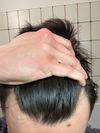
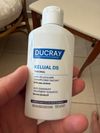
The user experienced a receding hairline and tried minoxidil, which may have slowed the process but caused puffy eyes. They are hesitant to use finasteride and suspect oily dandruff might be an aggravator.
Hair loss affects self-esteem and mental health, with treatments like finasteride and minoxidil commonly used. People feel misunderstood by those without hair loss and seek more empathy and better treatment options.
The conversation is about managing scalp irritation caused by minoxidil use. Suggestions include switching to foam, using fluocinonide topical solution, trying lipogaine for sensitive skin, and considering low-dose oral minoxidil.
Hair loss was triggered by a testosterone and Masteron cycle, causing scalp tension and shedding. Topical finasteride, RU58841, and oral minoxidil were used to stop shedding and improve scalp condition.
Switching from finasteride to dutasteride worsened hair loss and caused a burning sensation. Users suggest sticking with finasteride, using ketoconazole shampoo, and consulting a dermatologist.
A 34-year-old male, already on finasteride, is hesitant to continue minoxidil due to side effects like headaches and concerns about facial bloating and skin aging. Another user shares their experience with minoxidil causing facial bloating but hopes for hair growth benefits.
The user is experiencing hair thinning on the sides and back of the head while the top remains thick. A reply suggests it might be retrograde alopecia.
User experienced severe brain fog and anxiety from oral dutasteride and is considering dutasteride injections with PRP for hair loss, while currently using finasteride and oral minoxidil. They seek others' experiences with dutasteride mesotherapy and its side effects.
A 23-year-old experiencing severe diffuse thinning after scalp inflammation is considering finasteride as a last resort after stopping minoxidil and using anti-inflammatory medication. Users suggest that inflammation causes temporary shedding and recommend consulting a dermatologist, with some advocating for finasteride as a reliable treatment option.
A user experiencing scalp pain and diffuse hair thinning is taking finasteride and using Nizoral shampoo. They plan to continue finasteride for 6 months and consider adding minoxidil if no improvement is seen.
A user was frustrated with delays in getting finasteride for hair loss, was prescribed minoxidil, and found a vitamin B7 deficiency. They are questioning if the deficiency could cause receded temples and considering finding a new dermatologist.
Minoxidil can cause facial bloat, which some users manage by adjusting sodium intake or using it only on the scalp. Alternatives like finasteride or dutasteride are suggested for those concerned about facial changes.
A 24-year-old with mild temple recession is using 5% minoxidil without noticeable effects and has started topical finasteride but is anxious about potential side effects. They are considering a specialist visit for peace of mind despite the cost.
Scalp tension potentially affecting hair loss, and potential treatments for male pattern baldness such as Minoxidil, Finasteride and RU58841. Evidence from a study was discussed which suggests that the cause of MPB lies within the follicle itself and is not dependent on its surrounding environment.
A 21-year-old experiencing itchy and burning scalp with hair loss was diagnosed with MPB and scalp inflammation. They were prescribed Ketoconazole, Prednisone, Clindamycin, and Finasteride, and are considering trying antihistamines, dietary changes, and "nopoo" to alleviate symptoms.
A medical student experienced hair loss slowing with Finasteride but developed severe, treatment-resistant insomnia. They tried various medications with little effect, suspecting Post-Finasteride Syndrome, and others suggested the insomnia might be linked to Finasteride's impact on neurosteroids.
A 19-year-old is experiencing hair thinning and recession above the temples, causing stress and consideration of starting finasteride despite financial constraints. They are unsure whether to begin treatment immediately or wait to assess the situation further.
The conversation discusses skepticism about the effectiveness of scalp tension theory and scalp massagers for hair regrowth, contrasting it with treatments like finasteride and minoxidil, which have more user-reported results. Participants question the belief in scalp tension theory, suggesting it may be a marketing tactic, while others argue for a multifactorial approach to hair loss.
The user experienced severe scalp itching and hair loss while on dutasteride, which they linked to caffeine and masturbation. They plan to cut out both to see if their hair density improves.
Minoxidil 0.5% MMP® showed better results in parietal-vertex regions for less advanced female pattern hair loss compared to Minoxidil 5%. MMP® with Minoxidil can improve the quality of life for these patients.
A user is considering using melatonin for hair recovery on the side and neck area but is unsure about the best options in Europe and whether a dietary supplement form can be applied to the scalp. They found a product but are hesitant and seeking opinions on its use for alopecia.
A user in their early 20s is concerned about minor hair thinning and is considering a hair loss regimen involving PRP sessions, mesotherapy with dutasteride injections, and low-dose finasteride. They dislike minoxidil due to its greasiness and prefer a routine that is easy to maintain.
Painkillers like Aspirin may reduce Minoxidil's effectiveness by inhibiting the enzyme PGHS-1, which is crucial for hair growth. Using NSAIDs that inhibit COX-2 or combining Minoxidil with PGF2/E2 analogues or retinoids may enhance its efficacy.
The user is seeking a replacement for topical minoxidil during a six-day vacation, considering options like intense massage or oral minoxidil. They are looking for advice on managing hair loss without topical solutions.
Oral minoxidil is causing significant blood pressure fluctuations and increased heart rate, leading the user to consider switching to topical minoxidil and tretinoin. The user plans to consult a cardiologist and is likely to stop using oral minoxidil.
Microneedling the scalp can cause sneezing, runny nose, and watery eyes due to nerve stimulation, histamine release, reflex actions, or sinus relief. Several users experience similar symptoms.
The conversation discusses struggles with diffuse thinning and hair loss treatments, including the use of dutasteride, minoxidil, and finasteride, with limited success. The original poster regrets having a hair transplant at 21 due to weak donor hair and ongoing thinning.