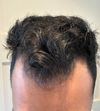
The user is treating hair loss with dermarolling, a laser helmet, scalp massages, and Nizoral. They stopped using minoxidil and finasteride and are considering pumpkin seed oil and sulforaphane.
A 26-year-old is starting a hair loss treatment using 1mg oral finasteride daily, 5% topical minoxidil foam twice daily, 2% ketoconazole shampoo weekly, and microneedling once a week. They noticed worsening hair loss over the past year and are seeking advice.
A new topical medication, Clascoterone, shows promise for hair loss, improving hair count significantly. Trials for Breezula are ending, but sign-ups for PP405 trials are available for 2026.
The user is experiencing hair loss and is using 2% ketoconazole shampoo, Minoxidil, and Finasteride. They are considering switching from Finasteride to Dutasteride, but others suggest waiting due to a possible shedding phase.
A user shared their positive experience with a hair transplant at Wimpole Clinic, performed by Dr. Malkani, and discussed using finasteride at a reduced dose due to side effects. They also mentioned avoiding minoxidil due to heart pain and taking supplements like biotin, marine collagen, viviscal, and krill oil.
The user transitioned from finasteride to Cyproterone and started using Minoxidil, resulting in healthier hair and regrowth. They plan to wean off Minoxidil in a year, depending on regrowth.
A 20-year-old male experienced early hair thinning due to male pattern baldness and successfully thickened his hair using oral finasteride and topical minoxidil. The conversation highlights the importance of early action and overcoming fear of medication side effects.
The user is using a regimen of dutasteride, oral and topical minoxidil, Nutrafol, and keto shampoo for hair regrowth, with plans for a hair transplant at the one-year mark. Users suggest adjusting treatments due to scalp inflammation and discuss the potential addition of RU58841, while noting impressive results so far.
A user who underwent a hair transplant in their twenties and are now discussing the best treatments for long-term management of hair loss, such as finasteride and Minoxidil, as well as potential alternative treatment options like RU58841.
The user had been using Minoxidil and Dutasteride with micro-needling but experienced hair loss after switching Minoxidil brands. Their doctor prescribed oral Minoxidil and Tretinoin, but the pharmacist suggested isotretinoin might be a more cost-effective alternative.
A 26-year-old male considering a hair transplant is using topical finasteride and minoxidil, planning to start feminizing hormone replacement therapy (HRT) with estrogen and spironolactone. Many suggest waiting to see the effects of HRT, which may significantly regrow hair, before deciding on a transplant, and recommend adding microneedling and possibly switching to oral treatments for better results.
The user is seeking confirmation of progress in their hair regrowth journey while using oral finasteride and topical minoxidil. They also mention experiencing shedding and dandruff after switching from liquid minoxidil to foam. Some users suggest considering a hair transplant.
A user shared their positive 4.5-month hair regrowth experience using Minoxidil, finasteride, a caffeine shampoo with rosemary oil, a dermaroller with Nizoral, and pumpkin seed oil capsules. They started treatment due to accelerated hair loss and are now seeing no hair fall during shampooing.
Switching from liquid to foam Minoxidil to avoid scalp irritation, with a method to melt the foam for easier application. Users discuss alternatives and personal experiences with Minoxidil, including issues with propylene glycol and different application methods.
Pelage is delaying the start of phase 3 trials for PP405 to 2026 due to necessary regulatory processes, despite having $120 million in funding. Users discuss the potential of PP405 for hair regrowth, with some expressing skepticism and others hopeful for new treatments like Breezula.
A 43-year-old experienced hair loss and used Finasteride successfully for 18 years before switching to Dutasteride due to renewed thinning. After 6 months on Dutasteride, they experienced itching and increased hair loss, leading to concerns about prolonged shedding and considering switching back to Finasteride.
A phase 3 trial for Breezula (clascoterone solution) to treat male pattern hair loss has been listed, with 726 participants and a completion date of January 2025. Other treatments mentioned include Aneira Pharma's combination of minoxidil and latanoprost, Triple Hair's combination of minoxidil, latanoprost, and finasteride, and a new microneedling and LLLT device called StimuSIL.
User frustrated with lack of improvement after 1 year and 3 months using Minoxidil, Finasteride, and microneedling for hair loss. Replies suggest considering oral Minoxidil, switching to Dutasteride, and potential hair transplant.
The user has been on finasteride for over a year and switched from topical to oral minoxidil five months ago, but is unsure if the current shedding and small hairs are signs of improvement or worsening. They are seeking advice on whether to wait longer or switch treatments.
The conversation discusses affordable low-level light therapy (LLLT) products for hair loss, with users debating the effectiveness of red LEDs versus lasers. The original poster is already using finasteride, minoxidil, ketoconazole, and microneedling, and is seeking budget-friendly LLLT options to add to their regimen.
The conversation discusses identifying permanent hair loss and includes treatments like microneedling and biotin vitamins. The user is unsure whether the reduction in wispy hairs is due to hair revitalization or loss.
The user shared their experience with hair regrowth using a natural approach, including a good diet, multivitamins, pumpkin seed oil, and scalp massages, without using minoxidil or finasteride. They emphasize this method for those with stabilized hair loss around Norwood 1.5 - 2, noting satisfactory progress over a year.
Probiotics like L. reuteri ATCC PTA 6475 and B. longum BB536 may improve hair growth and density by reducing inflammation and reversing DHT damage. The user is trialing these probiotics personally, ordering them from the U.S. to Canada, and plans to continue if no adverse effects occur.
The user stopped oral treatments due to side effects and switched to a regimen of topical minoxidil, tretinoin, azelaic acid, and dermaneedling, with recent addition of topical finasteride. They are questioning the long-term effectiveness of non-hormonal methods and considering hair transplantation.
The user is considering whether to continue their current hair loss treatment, which includes Minoxidil and possibly Finasteride, or switch to Dutasteride or increase Minoxidil. They have seen slight improvement on the left side but not on the right.
A 22-year-old male shared his 4-month progress using Minoxidil, finasteride, and weekly micro-needling for hair loss, reporting no negative side effects and feeling content with his results. Replies were supportive and encouraging.
A user has been on finasteride for over 1.5 years but is still losing hair, so they're switching to dutasteride and taking both for 3 months before stopping finasteride. They're concerned about potential hair shedding during the switch even when done correctly.
A user's hair loss treatment progress over the last 6 months using finasteride, minoxidil and dermarolling; other users have commented to ask questions or share their own experiences.
The user is considering changing their hair loss treatment from topical minoxidil and oral finasteride to oral minoxidil and oral dutasteride, with suggestions to add microneedling and possibly red light therapy. They are also exploring the addition of a caffeine and adenosine mix to their regimen.