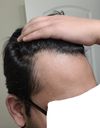
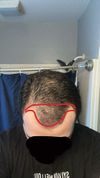
A user with low testosterone and mild gyno is considering finasteride for hair loss. Others suggest consulting an endocrinologist first and share experiences of finasteride not worsening gyno.
Topical saw palmetto is discussed as a mild anti-androgen for hair growth, with some users combining it with other treatments like spironolactone and ketoconazole shampoo. Users share mixed experiences, with some not noticing regrowth and others hopeful for positive results.
A 25-year-old is experiencing mild hair loss and is using a regimen including scalp brushing, dermarolling, topical minoxidil, caffeine, melatonin, and a DHT-blocking shampoo. Another person shares their struggle with hair loss due to drug use and plans to start finasteride while trying to quit drugs.
Revivhair serum is discussed as a potential treatment for mild hair thinning, but skepticism exists about its effectiveness without proven treatments like finasteride, dutasteride, or minoxidil. Users share experiences with various treatments, noting side effects and exploring alternatives like topical dutasteride and alfatradiol.
The user is using minoxidil and recently started fluridil for mild hair loss and is questioning if this treatment is sufficient without finasteride. They have finasteride available but prefer not to use it.
A 19-year-old noticed hair thinning and mild receding hairline, opting for a treatment regime excluding finasteride and minoxidil. The regime includes derma rolling, rosemary and coconut oil, a massage comb, a DHT-blocker shampoo, and vitamins B12 and Biotin.
The user is considering starting topical minoxidil to address a receding hairline and mild dandruff. They are seeking advice on potential effects and side effects of the treatment.
A 24-year-old has been using Minoxidil and finasteride for 1.5 years with mild improvement but is being rejected for hair transplants due to age and diffuse thinning. They are seeking advice on what to do next.
Ketoconazole shampoo does not significantly reduce systemic or scalp DHT levels and is considered a mild topical antiandrogen. Users discuss its use for scalp health rather than DHT reduction, with some preferring alternatives like dutasteride over finasteride due to perceived side effects.
KX-826 stopped hair loss for the user after stopping finasteride due to mild side effects. The user experienced mild headaches initially with KX-826, which resolved after a few days.
Finasteride initially stopped hair loss and improved hair quality but caused weight gain and mild ED. After two years, hair loss resumed despite continued use, leading to consideration of going bald.
The user started using a hair loss treatment called pyrilutamide and experienced mild chest discomfort and tightness, similar to previous side effects from RU58841. They plan to reduce the dosage due to these side effects and will provide an update on the results in 1-2 months.
A user shared progress pictures after 4 months of using topical finasteride and minoxidil, dutasteride, rosemary oil shampoo, ketoconazole, and pumpkin seed oil, reporting great results and increased hair thickness. Other users commented on the mild initial hair loss and congratulated the user on their success.
A 23-year-old is considering finasteride for hair loss but is concerned about worsening pre-existing mild gynecomastia. They plan to start with a low dose and monitor symptoms, seeking advice from others with similar experiences.
Finasteride significantly improved the user's hair, with no noticeable side effects except mild initial testicle pain. Minoxidil was used but only showed results after starting Finasteride.
Shampoos, including those with ketoconazole, may offer mild benefits for hair health but are not effective for stopping hair loss or balding. Effective treatments for hair loss include finasteride and minoxidil, often used together, while shampoos are generally not on the scalp long enough to impact hair follicles significantly.
The user experienced significant hair regrowth using 1mg of finasteride three times a week, with mild side effects like gynecomastia and breakouts. They are considering starting minoxidil.
The conversation discusses using a 1.0mm dermaroller for hair loss, with the user experiencing mild redness that subsided quickly. The user seeks advice on the frequency of dermaroller use.
The user tried pyrilutamide for hair loss and noticed reduced scalp itch and improved skin but stopped due to mild heart sensations. They plan to update after consistent use, noting improved sleep when applied at night.
The user experienced significant hair regrowth using topical finasteride/minoxidil and oral minoxidil/dutasteride, with some mild side effects that diminished over time. They plan to add microneedling to their regimen and have seen hair shedding cycles every six months, followed by thicker regrowth.
KX-826 initially improves hair growth but declines after 24 weeks, with mild itching as a side effect. Combining it with minoxidil and finasteride may improve results, but long-term effectiveness is uncertain.
User shared a 1-year update on finasteride, noting thicker hair but mild side effects like reduced libido and mild ED. Considering reducing the dose from 1mg to 0.5mg daily to alleviate side effects.
The post discusses using oral Minoxidil and Dutasteride for hair loss. Minoxidil improved hair growth with mild hypertrichosis, while Dutasteride caused severe acne, cognitive issues, and mild anxiety, leading the user to prefer Finasteride.
Alfatradiol helps reduce hair shedding and itching, and is effective for mild hair loss. Users combine it with treatments like fluridil, minoxidil, and sometimes consider finasteride.
The safety of using oral minoxidil to treat hair loss and thinning, with studies showing mild side effects at low doses. It was suggested that people should consult a doctor or dermatologist before taking any type of medication for hair loss.
The user experienced persistent acne and skin issues with dutasteride, leading them to stop its use. They switched to finasteride, which caused mild acne and potential liver concerns, prompting consideration of alternative treatments like topical finasteride and GHK-Cu.
A user shared their 1-month progress using Dutasteride and Minoxidil for hair loss, noting some early signs of regrowth but no significant changes yet. They experienced mild impotence as a side effect, which has mostly subsided.
A user shared progress pictures showing significant hair regrowth after 134 days on oral finasteride and 59 days on topical minoxidil foam. They reported mild side effects initially but are now satisfied with the results.