Search
for
Sort by
Community Join
960-990 / 1000+ resultscommunity my gains after 7 months (nuclear stack)
The user shared impressive hair growth results after 7 months using a regimen of dutasteride, topical minoxidil, and biotin, alongside a healthy lifestyle. The conversation humorously discusses extreme and unconventional hair loss treatments, with many users expressing amazement and curiosity about the progress.
community Blood work results concerning ?? Finasteride
A 23-year-old male experienced nipple sensitivity after taking 0.5 mg finasteride for 2.5 months, with blood tests showing increased testosterone and estrogen levels. He stopped finasteride temporarily and seeks advice to prevent gynecomastia.
community Help with blood test results (DHT 3x higher than max limit)
community 44M 19 months fin oral 1mg daily /min 5% foam once daily
A 44-year-old man has been using finasteride 1mg daily and minoxidil 5% foam for 19 months to address hair loss, with mixed results and continued shedding. Suggestions include trying oral minoxidil, microneedling, and possibly a hair transplant for better cosmetic density.
community 4 Months progress on 1mg Fin + 2.25Oral Minox daily (30m)
community Phase 2B trial for PP405 leaked (The study Pelage DOESN'T want you to see)
The conversation discusses hair loss treatments, mentioning minoxidil, finasteride, RU58841, VDPHL, GT20029, and follicle cloning as potential solutions. It also reveals that the discussion about PP405 was an April Fool's joke.
community mangifera indica (mango oil) inhibits dkk1, dht TYPE 2 and activate wnt signal in vivo
Mango oil may inhibit DKK1 and DHT, potentially aiding hair growth by activating the Wnt signaling pathway. A user plans to test mango leaves juice and other Ayurvedic products for hair regrowth.
community 4 1/2 months .5 DUT & 5 mg Oral Min
User discusses 4.5 months of using 0.5 DUT & 5 mg Oral Min for hair loss. They share progress pictures and discuss styling options and shedding experiences.
community HMI-115 Australian Phase 1 Trial completed?
The post discusses the completion of the HMI-115 Australian Phase 1 Trial for hair loss treatment. The user speculates about the potential early release of the trial results.
community What vitamin D level would cause hair loss?
A user experiencing excessive hair shedding and a receding hairline is questioning if low vitamin D levels could be the cause, despite levels being within the normal range. Replies suggest that while vitamin D deficiency can cause hair loss, it might not be the issue in this case.
community Difference in results between .55mg Fin/2.5mg Min/.5mg Biotin vs 1.1mg Fin/5mg Min1mg Biotin
The conversation discusses the effectiveness and potential side effects of using a minoxidil, finasteride, and biotin combination pill for hair loss, comparing half-dose (0.55mg Fin, 2.5mg Min, 0.5mg Biotin) to full-dose (1.1mg Fin, 5mg Min, 1mg Biotin). The user is considering whether to increase to a full dose after starting with a half dose.
community 6 weeks into fin/min- looks thinner but no noticeable shedding?
A 34-year-old male started using 0.5mg finasteride daily and switched from topical to 2.5mg oral minoxidil two weeks ago. He noticed his hair looks thinner without noticeable shedding and is concerned about diffuse thinning.
community 3 months of oral min and 0,5dut
A 23-year-old experienced reduced hair loss after three months of using oral minoxidil and dutasteride. The user reported no side effects and plans to continue the treatment.
community Fin for 4 years and still losing ground slowly; just added pyril 1% and im massively shedding?
The user has been using finasteride and minoxidil for years without effect and recently added pyril 1%, resulting in significant hair shedding. Shedding 100 hairs a day is considered normal, and it's suggested to evaluate the treatment plan in six months.
community Hope Medicine's HMI-115 could be out in 2027 per Company Founder
Hope Medicine's HMI-115 is expected to be released in 2027, with phase 3 trials currently recruiting. Concerns include the safety of targeting prolactin and the potential cost of the treatment.
community Minoxidil + Fin 1 mg + Dermaroller 1x week - 1 year results
A user used Minoxidil twice daily, 1 mg finasteride in the morning, and a dermaroller weekly for a year but is unhappy with the results and sperm quality. Others suggest continuing the regimen, noting hair maintenance and thickness, and considering additional treatments like dutasteride or a hair transplant.
community Topical foam 5% Min, Vitamin B12, and Vitamin D treatment since July
The conversation discusses hair loss treatments, specifically using 5% minoxidil foam, Vitamin B12, and Vitamin D, with suggestions to add oral finasteride and minoxidil for better results. Concerns about side effects, particularly from finasteride, and the need for a DHT blocker are also highlighted.
community Oral min+fin(M21) 3 months progress
community 22M. 4 months on minoxidil 5%, 2x a day
A 22-year-old man shared his 4-month progress using minoxidil 5% twice daily for hair loss, showing thicker hair without using finasteride. Others commented on his good results and discussed their own experiences with hair loss and treatments.
community Innovative hair loss treatment can restore 90% of lost hair
A new hair loss treatment using dermal exosomes can restore up to 90% of lost hair in mice. Users discuss potential human trials and compare it to Minoxidil and Finasteride.
community 28yr old 5mg minoxidil daily, .5 dutasteride every 2 days
A user started using 5mg minoxidil daily and 0.5mg dutasteride every two days for hair loss, along with rosemary, castor, and pumpkin oil twice a week, and derma stamping once a week. They plan to track progress with photos and maintain hair length with clippers.
community 2.5 months fin 1mg daily 18 months min 5% twice a day
The user experienced significant hair regrowth and reduced hair loss using finasteride 1mg daily and minoxidil 5% twice a day. Finasteride stopped 90% of hair loss and thickened hair, while minoxidil regrew hair, with minimal side effects reported.
community NMN supplementation experiences?
The conversation discusses experiences with NMN supplementation for hair growth, with some users reporting increased hair growth activity and others seeing no significant changes. OP has been using dutasteride and oral minoxidil, and recently added NMN, noticing increased shedding, which they hope indicates new hair growth.
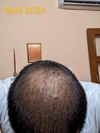
community Oral min/fin/dut, i saw a little progress in the initial 3 months, but after that nothing, it’s been 15 months now
The user has been using 2.5 mg oral minoxidil daily and initially 0.5 mg finasteride daily, later switching to 0.25 mg dutasteride daily, but has not seen significant progress in hair regrowth after 15 months. The user is concerned about crown balding and thinning despite treatment.

community 25M Low Density Hair, Concerned About Increased Scalp Visibility
The user is experiencing excessive hair thinning and is unsure of the cause. They are seeking opinions on treatments like Minoxidil, finasteride, and RU58841.
community 23 M | 3500 grafts | 1-month progress | 1.5k on hairline, 1k on midscalp and 1k crown
A 23-year-old male had a hair transplant with 3500 grafts and is using finasteride, minoxidil, hair vitamins, and a keto shampoo. He seeks advice on crown regrowth and when to start dermastamping.
community Maybe it’s working for me too? When will it get better? Still not much density there
The user is experiencing improvement in hair density using a topical lotion containing minoxidil, finasteride, ketoconazole, and other ingredients. They are hopeful for further progress in the coming months.
community 3 months results from 0.5mg fin daily 1ml min 2x daily and 1mm microneedling weekly
A user shared their 3-month hair loss treatment results using 0.5mg finasteride daily, 1ml minoxidil twice daily, and weekly 1mm microneedling. Another user reported starting 1mg finasteride daily with no side effects and improved focus.
community Shedding hard - 1 month progress (3mg minox / 1mg fin / Nizoral 2x pw)
The user is experiencing hair shedding after one month of using 3mg minoxidil, 1mg finasteride, and Nizoral twice a week. Others reassure that shedding is normal and improvements in hair density and hairline are expected after the shedding phase.