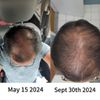
User shared progress after 5 months of using finasteride, minoxidil foam, and weekly derma rolling. Positive feedback highlights increased hair count and thickness.
A user shared progress pictures showing hair improvement after using oral finasteride and topical minoxidil for two and a half months. They are considering a hair transplant but are advised to wait for full results from the treatments.
The conversation is about a user's four-month progress using finasteride, minoxidil, and weekly dermastamping for hair loss. People occasionally notice improvements in the user's hair.
A user has been using minoxidil for hair loss and is seeing improvement. Some suggest adding finasteride or dutasteride for better results, but the user is concerned about side effects.
The user shared their successful hair loss treatment journey over two years using finasteride, dermarolling, minoxidil, and dutasteride. They discussed their regimen, showed progress pictures, and answered questions about their experience, inspiring others with similar issues.
So maybe vitamin D is important here
This conversation discussed the user's successful results from a combination of treatments, including finasteride, minoxidil, ketozolin shampoo, Vitamin D and biotin. The discussion also included advice about frequency and dosages for these treatments.
Individuals with oily scalps, dandruff, and diffuse thinning hair loss who have managed to either halt the loss or regrow their hair by using topical finasteride and minoxidil as well as microneedling and ketoconazole 2% shampoo.
The user reported excellent hair growth results after 3 months using topical finasteride 0.5% and minoxidil. They obtained the treatments from a pharmacy and experienced no side effects, while also using Nizoral shampoo twice a week.
The user has been using foam minoxidil for 110 days and recently added topical finasteride to address hair loss, particularly at the crown, and is experiencing some baby hair growth at the hairline. They are considering adding tretinoin and are advised to be patient, as results can take up to 6 months, with consistency being key.
The post discusses a user's 2-month progress in treating hair loss using topical Du once a week, microneedling, and red light therapy. The user notes that red light therapy is primarily for face and body inflammation but also applies it to the scalp.
A 19-year-old is using hair tonic capsules, Minoxidil 5% lotion, an unidentified hair lotion, and Nizoral shampoo for male pattern hair loss. Commenters suggest focusing on known treatments like Minoxidil and Finasteride and advise knowing the contents of the products used.
A user shared a 3.5-month hair loss treatment progress using topical Minoxidil, Finasteride, and RU58841, noting improved confidence and satisfaction with the results. Other users congratulated and praised the progress shown in the pictures.
A user's experience using topical finasteride and melatonin to regrow hair, as well as their use of dermaroller versus dr. Pen for microneedling. People discussed the benefits of oral minoxidil and questioned if melatonin could help with hair regrowth.
The user is concerned about hair loss and has been using finasteride and minoxidil. The doctor refused to prescribe finasteride due to a perceived increased risk of prostate cancer, prompting the user to consider seeking another doctor's opinion.
Starting hair loss treatment early is crucial for better results. Dutasteride and finasteride are effective, with dutasteride often considered superior, while oral minoxidil shows better gains than topical.
The conversation discusses buying minoxidil, finasteride, and other generic hair loss treatments at subsidized rates in India, and mentions that vitamins and minerals for hair growth are also available without a prescription. Some users view the post as an advertisement and note that these products can be purchased from other sources like alldaychemist without a prescription.
The conversation covers aggressive hair regrowth treatments like Dutasteride, Minoxidil (oral and topical), RU58841, microneedling, and ketoconazole shampoo. It also mentions PRP, laser therapy, GHK-Cu injections, and hormone therapy for maximum regrowth.
Significant hair regrowth was achieved using Minoxidil, Dutasteride, and derma stamping. The user noted improved hair quality and thickness with no side effects.
A user accidentally ingested minoxidil instead of melatonin, leading to a humorous discussion about similar mix-ups and the effects of minoxidil. The user now stores the bottles separately to avoid future mistakes.
The user has been using 5mg Oral Minoxidil since July 2025 and 1mg Finasteride daily since 2022 to address hair loss, particularly on the crown. They are considering additional treatments like Dutasteride and possibly a hair transplant in the future.
The conversation discusses various methods for applying topical minoxidil to the scalp, including using fingers, a shoe polish bottle, a dropper, a toothbrush, a q-tip, a makeup brush, and a syringe. Users emphasize the importance of massaging the product into the scalp for better absorption.
A user shared their positive experience with hair regrowth using minoxidil, hormone replacement therapy, and cyproterone acetate during their male-to-female transition. Another user discussed their successful hair transplant after transitioning and using finasteride, highlighting the challenges of hair loss and regrowth during transition.
A 16-year-old is experiencing hair loss and is using minoxidil, finasteride, and plans to add RU58841, while considering other treatments like MK-677 and microneedling. Concerns are raised about the potential impact of these treatments on puberty and development.
OP is using 5% minoxidil and a needler to regrow hair after chemotherapy-induced hair loss. Another user mentions using finasteride and topical minoxidil, noting some improvement in hair density.
The conversation discusses using tretinoin for hair loss and skincare. Users share experiences, noting tretinoin's effectiveness in combination with minoxidil for hair and its proven benefits for anti-aging skincare.
The conversation is about seeking shampoos that help with hair loss or hair thickening without ketoconazole, suggesting alternatives like minoxidil, finasteride, or stemoxydine. One reply suggests that most hair loss shampoos don't work as claimed.
The conversation discusses a prescribed hair loss treatment combining 12.5% minoxidil with tretinoin, azelaic acid, and topical finasteride, costing $55 a month. One user criticizes the packaging for degrading tretinoin, another suggests it's an overpriced option and recommends topical dutasteride as an alternative due to its higher molecular weight and lower systemic absorption.
The user has been using topical minoxidil (5%) for two years and kx826/pyrilutamide for one year, after experiencing side effects from finasteride. They report positive results from the combination of minoxidil and kx826 in combating hair loss.
A 23-year-old shared his hair regrowth progress after using Minoxidil, finasteride, Dutasteride, and RU58841 for over a year. The post received supportive comments, with others sharing their own experiences and complimenting his transformation.