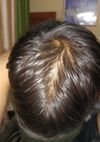
A user wants to add tretinoin to their nightly minoxidil and finasteride combo to increase effectiveness. They seek advice on how to mix tretinoin with the existing treatment.
The user did not respond to minoxidil and is considering using tretinoin to improve results. They also explored finasteride, microneedling, adapalene, red light therapy, and oral minoxidil as potential treatments.
A user takes 5mg oral minoxidil, oral dutasteride, topical tretinoin, stemoxydine, topical minoxidil, and uses dermarolling for hair loss but sees less impressive, patchy regrowth compared to others. Another person suggests some online results may be enhanced with hair fibers, not just medication.
Minoxidil is more effective when combined with retinoic acid, such as tretinoin or tazarotene, enhancing hair growth. Some users experience significant regrowth, while others see minimal effects or side effects.
The conversation discusses creating a topical finasteride solution by crushing finasteride pills and mixing them with minoxidil to reduce side effects. Users share experiences and methods for making the solution, with some suggesting using a premade topical finasteride if available.
FOL-005 claims to be more effective than Minoxidil and Finasteride but lacks anti-DHT properties, leading to potential reduced efficacy over time. Concerns are raised about misleading marketing and the safety of alternative treatments like Pyrilutamide and Clascoterone.
The conversation is about a person's hair improvement after 14.5 months using RU58841 and Minoxidil topically at 50 mg each day, with noticeable hairline improvement but incomplete crown area recovery. The person struggles to take good pictures of their crown area.
The user is considering switching from oral to topical minoxidil due to lack of improvement and side effects, while continuing with dutasteride or finasteride. They seek advice from others with diffuse thinning.
Kintor plans to release pyrilutamide foam and a plant-based Koshine by year-end, with GT20029 progressing in their pipeline. Users are pleased about the absence of propylene glycol (PG) in the new products.
The user had been using Minoxidil and Dutasteride with micro-needling but experienced hair loss after switching Minoxidil brands. Their doctor prescribed oral Minoxidil and Tretinoin, but the pharmacist suggested isotretinoin might be a more cost-effective alternative.
Using both oral and topical minoxidil is likely safe, but be cautious of increased systemic absorption. The best tretinoin dosage to enhance minoxidil effectiveness is not specified.
The user noticed a significant improvement in hair loss after 3.5 months using a topical treatment of 7% Minoxidil, 0.1% Finasteride, and 0.025% Tretinoin, which was prescribed and shipped from a pharmacy in Indiana. Other users discussed alternative products with varying concentrations of Minoxidil and Finasteride.
The user is using a mix of supplements, including Minoxidil, to address androgenetic alopecia and is concerned about zinc dosage potentially causing issues. They plan to discuss their treatment and supplement regimen with a dermatologist.
A 20-year-old diffuse thinner has been using finasteride for 8 months and is considering adding minoxidil to their routine. A user suggests incorporating minoxidil for quicker regrowth, despite the hassle of daily application, while continuing finasteride.
A 23-year-old male with early stage 4 hair loss is using a treatment routine that includes minoxidil 5% with tretinoin once daily, finasteride 1mg every other day, 2.5mg oral minoxidil every other day, and derma rolling twice a week. The discussion is about whether using minoxidil twice a day is better than combining it with tretinoin once a day.
The conversation discusses using propanediol as an alternative to glycerin in PG-free minoxidil for better absorption. The user also plans to try nanoxidil, which may absorb more easily due to its smaller molecule size.
An 18-year-old shared a 5-month hair transformation using RU58841 and minoxidil, reporting no side effects and crediting most regrowth to minoxidil. Opinions on RU58841 are mixed, with some users and a YouTuber moving away from it due to side effects and lack of studies.
Tretinoin combined with minoxidil may improve hair regrowth, especially in difficult areas like temples, but requires diligent scalp cleaning. Some users suggest oral minoxidil as a more potent and less irritating alternative.
The user stopped using minoxidil due to side effects and is trying alternatives like vitamin D supplementation, scalp massages, cold showers, oil treatments, zinc shampoo, and dermarolling. They report improved scalp health and some new hair growth, despite skepticism from others about the effectiveness of these methods.
The conversation discusses concerns about oral minoxidil potentially aging the face by affecting collagen, questioning its systemic effects. The user has successfully used topical minoxidil for years and is hesitant to switch to oral minoxidil.
Silicone and dimethicone in shampoos may hinder Minoxidil absorption, while Tretinoin and microneedling can enhance its efficacy. Users discuss applying Tretinoin before Minoxidil, waiting for it to dry first.
The individual has been using minoxidil for beard growth for over two years, started oral minoxidil and dutasteride six months ago, and began RU58841 three months ago, which significantly enhanced their results. They are open to answering questions about their hair loss treatment experience.
A user asked if they can crush caffeine and melatonin tablets to add to their minoxidil solution. Another user sarcastically suggested adding rat poison.
A 21-year-old male is experiencing crown balding and is using RU58841, topical minoxidil, and plans to add dutasteride and oral minoxidil to his treatment. He seeks advice on increasing his treatment stack despite previous side effects like chest pain.
A 28-year-old male, previously on dutasteride for hair loss, is considering oral minoxidil or a compounded treatment of minoxidil, finasteride, and tretinoin after noticing hairline recession. The dermatologist suggested oral minoxidil and mentioned a compounded option, but the user is unsure about its benefits compared to current treatments.
The user is using a topical routine of finasteride and minoxidil, noticing increased hair growth, and is considering adding tretinoin for skin issues. Tretinoin may enhance minoxidil's effectiveness, but care should be taken to allow proper absorption to avoid unintended facial hair growth.
A user in Poland created a homemade "oral topical minoxidil" using 2% topical minoxidil, propylene glycol, and vodka due to difficulty obtaining oral minoxidil. They shared a recipe and sought feedback, emphasizing caution and safety in dosing.
The conversation is about concerns regarding starting finasteride for AGA, with a preference for topical finasteride due to worries about oral side effects. The user is considering adding oral minoxidil later due to an allergy to topical minoxidil.