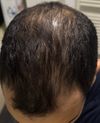
Finasteride is being used to prevent further hair loss, with hopes of thickening existing thin hair, but results are slow. Users suggest adding minoxidil, dermastamping, and possibly dutasteride for better results.
The user is considering switching from finasteride to dutasteride due to continued hair loss and lack of improvement after 8 months. They plan to add minoxidil and are advised to give treatments more time, as progress can take years.
The conversation discusses difficulty in distinguishing between new hair growth and thinning hair at the temples after using microneedling and a rosemary peppermint topical for four weeks. The advice given is to wait a few months to see if the hairs grow out to determine their nature.
Exploring the idea of transplanting miniaturizedhair follicles to healthier areas to potentially reverse hair loss, with concerns about DHT sensitivity and scar tissue formation. The conversation also humorously considers using mice for hair growth experiments.
Microneedling at depths greater than 0.6 mm may damage miniaturizedhair follicles, with 0.5 mm showing better results for hair regrowth. Combining microneedling with minoxidil enhances absorption, but caution is advised to avoid damaging follicles.
A user's extreme regimen for hair loss, which includes taking oral and topical medications such as minoxidil, dutasteride, cyproterone acetate and bicalutamide, but still experiencing miniaturization. Suggestions were made to try other treatments such as RU58841 and Pyrilutamide, while also considering mental health treatment and advice on lookmaxxing.
The user is experiencing hair loss at the hairline and is using finasteride, but considering minoxidil due to lack of improvement. Replies suggest that minoxidil may be more effective for hairline maintenance, especially when used in combination with finasteride.
A female user's experience with topical and oral finasteride for hair loss, which has been successful as evidenced by the reduction of miniaturizedhairs. Replies to the post discussed the recommended dosage for females versus males.
The user is experiencing a minoxidil shed after six months of use, noting a significant number of miniaturizedhairs compared to mature ones, and has been on finasteride 0.5mg daily for two years with positive results. The user meticulously counts and categorizes shed hairs, sparking reactions ranging from amusement to concern over the level of obsession.
The user has been using Minoxidil for 6 months and biotin for 2 months without seeing results and is considering starting finasteride due to receding hair at the right temple. Replies suggest starting finasteride and comment on the user's hairline.
The post discusses an 18-month hair regrowth journey using finasteride and minoxidil, along with natural supplements and caffeine shampoo, showing new hair growth around the hairline. The individual has also scheduled a hair transplant for the end of the month.
A user who shared progress pictures of their scalp using a microscope camera, demonstrating the difference between healthy and miniaturizedhair. Various explanations for the cause of this were discussed, such as DHT build-up in scalp sebum causing an autoimmune response leading to inflammation and eventual hair loss, with some suggesting a do-it-yourself treatment involving adding ascorbic acid powder to shampoo.
A 23-year-old has been using finasteride for 5 years to stabilize hair loss and is now adding minoxidil, tazarotene, and dermarolling to improve hairline density. They hope this new regimen will thicken existing hair and restore the hairline.
A user reported using a 1mm derma stamp, rosemary oil, and pumpkin seed oil for 2 months and noticed baby hair growth where there was none before. They are questioning if this is real growth or just miniaturizedhair.
Hair loss and its potential treatments, such as minoxidil, finasteride, RU58841, dermarolling, and supplements. It discusses whether miniaturized follicles can be revived to grow again or must shed for new growth to appear.
Hair follicles don't truly die but become severely miniaturized. Treatments like finasteride, dutasteride, and minoxidil can help restore hair by providing nutrients and reducing harmful effects on hair roots.
The user noticed miniaturizedhair at the front of their hairline and is not on any medication. They are concerned if this is a sign of a receding hairline or something normal.
Minoxidil was applied to a single miniaturizedhair follicle over four months, resulting in less miniaturization but not yet terminal growth. The user used a 5% minoxidil solution, specifically the Regaine brand, and observed changes using a handheld WiFi microscope.
A female user is experiencing minimal regrowth and miniaturizedhair after 6 months of treatment with oral minoxidil, spironolactone, and topical minoxidil. She seeks advice on whether she can restore her remaining follicles.
The user has been using finasteride for nearly 6 months and minoxidil for nearly 2 months, noticing a sparser hairline and miniaturizedhair. Some users believe it's shedding with new growth, while others see a loss in density.
PP405 is ineffective for miniaturized, fibrosed hair follicles in androgenetic alopecia. AMP303 may activate hair follicle stem cells, but minoxidil and finasteride are still the main treatments.
Hair loss treatments Finasteride and Dutasteride may cause shedding, but it's a good sign as miniaturizedhairs are replaced by thicker ones. Shortness of breath may be experienced from Dutasteride or oral Minoxidil.
Shiseido's S-DSC hair regenerative treatment in Japan focuses on improving existing hair by thickening miniaturized follicles, not creating new ones. There is limited patient feedback and long-term data available.
A user is considering starting treatments like Finasteride, Minoxidil, and Microneedling for hair thinning, despite stable hair loss for over 8 years. They are unsure if the presence of miniaturizedhairs indicates potential for regrowth or if they should accept the current state.
A user shared their experience with hair loss treatments, including topical minoxidil, finasteride, RU58841, and microneedling, noting significant hair regrowth except at the hairline. They plan to start oral minoxidil and switch to a combination treatment, while another user mentioned that some miniaturizedhairs may not fully recover.
A user with long-term hair loss has been using topical minoxidil, finasteride, RU58841, ketoconazole, and dermastamping for 8 months. They are unsure if the new hairs are miniaturized or vellus.
The user has been using Finasteride for hair loss and is considering adding alphatradiol, stemoxydine, or 2% minoxidil to their regimen. They are concerned that stemoxydine, which shortens the resting phase of hair, might accelerate hair loss in those not using Finasteride by depleting hair cycles without strengthening miniaturizedhairs.