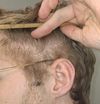
User discusses Latanoprost as potential hair loss treatment and considers combining it with oral minoxidil for better results. Seeking opinions on effectiveness and expense.
The user is experiencing hairminiaturization despite using dutasteride 0.5mg daily and oral minoxidil 3mg daily for three months. They are advised to continue the treatment as full effects may take up to a year.
Minoxidil can prevent hair follicle miniaturization, not just stimulate hair growth. Finasteride and dutasteride don't work for everyone, suggesting DHT may not be the sole cause of hair loss; hair loss could be due to multiple factors, including autoimmune conditions.
After 8 months of using topical finasteride, hairminiaturization continues, raising concerns about its effectiveness. Microneedling is suggested as a possible complementary treatment.
The user is experiencing hair shedding of different thicknesses/lengths and is using Nizoral, ciclopirox, and pyrithione zinc conditioner. They are concerned whether the shedding is due to these treatments, miniaturization, or their low-calorie diet.
User "Number_Worried00" is using a treatment stack for hair loss, including Minoxidil, Finasteride, Dutasteride, Estradiol, Cetirizine, and Pyrilutamide. Another user suggests that if the cause is vitamin deficiency or inflammation, the stack may not be effective.
The user has been using 5ar inhibitors for 3 years to combat hair loss, starting with Finasteride and then switching to Dutasteride. They also use topical Minoxidil and microneedling as part of their routine, and have seen improvements in their hairline.
The conclusion of the conversation is that the user, who has been using finasteride for 11 years and then switched to dutasteride and minoxidil, has experienced minimal side effects and significant hair regrowth. They also mention that side effects are rare and often related to other factors such as poor diet and low testosterone levels.
The post is a humorous take on the author's experience with hair loss and using finasteride for six months. The conversation includes discussions about hair loss, treatments like finasteride, and personal experiences with baldness.
A user experienced hair loss improvement by quitting caffeine, reducing sugar intake, and improving overall health, while also using rosemary oil conditioner. They previously tried minoxidil, finasteride, and dermarolling, but stopped due to side effects and heart palpitations.
A user experienced significant hair regrowth after 5 weeks by taking zinc, vitamin D, and biotin supplements, correcting deficiencies that were contributing to hair loss and thinning. They report a decrease in hair shedding, faster hair growth, and a thickening of their hairline without using common hair loss medications like Minoxidil or Finasteride.
The conversation discusses concerns about potential hairline miniaturization and whether to start finasteride as a preventive measure. Recommendations include consulting a specialist and considering treatments like finasteride, dutasteride, minoxidil, and ketoconazole.
The user is experiencing increased hairminiaturization despite using oral minoxidil, dutasteride, and microneedling. They are considering reintroducing finasteride and adjusting dutasteride dosage.
The conversation discusses hair regrowth and miniaturization, with the user transitioning to oral dutasteride and oral minoxidil, and occasionally using topical minoxidil. The user observes baby hairs near the hairline but less on the scalp, indicating possible regrowth and shedding.
The user is experiencing hair loss despite using oral dutasteride for 7 months and topical minoxidil for 3 months. They are concerned about miniaturization and question if the current minoxidil application is less effective without the previous finasteride mix.
Inflammation plays a significant role in hair follicle miniaturization and androgenetic alopecia, with treatments like ketoconazole shampoo, minoxidil, and finasteride being used to address it. Users discuss the benefits of anti-inflammatory treatments and peptides like KPV, alongside traditional hair loss treatments, to improve scalp health and hair quality.
A 28-year-old male experiencing diffuse thinning and miniaturization around the ears and back has tried finasteride, dutasteride, and both topical and oral minoxidil without success. He is seeking advice on identifying the type of hair loss and next steps since current treatments are ineffective.
MCL-1 protein may help maintain hair follicles in the growth phase and prevent miniaturization. There is interest in experimental treatments like exosomes, peptides, or stem cell serums to upregulate MCL-1 for hair loss, especially for those not using minoxidil or finasteride.
The user is experiencing hair shedding despite starting finasteride 4 months ago, with no signs of miniaturization. They are seeking advice after normal blood tests and similar family experiences.
DHT may inhibit hair growth by affecting mitochondrial function, leading to hair follicle miniaturization. Treatments like minoxidil and PP405 may promote hair growth by altering metabolic pathways, potentially counteracting DHT's effects.
Transplanted hairs are thinning after switching from topical to oral minoxidil, with increased shedding and miniaturization. The user is considering reintroducing topical minoxidil and has started using ketoconazole shampoo.
A user increased their finasteride dosage from 0.5 mg to 1 mg due to ongoing hairminiaturization, despite some improvement. They are considering dutasteride and have not used minoxidil, but are cautious about potential side effects.
The conversation is about a user switching from finasteride to dutasteride after 4 years due to continued hair recession and miniaturization. The user plans to gradually increase to 1mg of dutasteride daily.
The user has been on oral Dutasteride and Minoxidil for 16 months but continues to experience hairminiaturization. They previously used oral Finasteride and topical Minoxidil with success for 7 years and are now seeking advice on whether to switch back to topicals, adjust dosages, or consider other treatments like topical anti-androgens or Estradiol.
The user experienced rapid diffuse hair thinning for five years despite no signs of AGA or miniaturization. They tried finasteride and oral minoxidil without success and have checked thyroid, iron, and vitamin D levels.
Finasteride works by reducing DHT, which helps stop hairminiaturization. The user is on finasteride and believes it works due to its effect on growth factors and DHT reduction.
The conversation discusses whether finasteride's reduction of DHT and increase in scalp testosterone contribute to hair follicle miniaturization. Some participants argue testosterone does not cause miniaturization, while others suggest that even with reduced DHT, other androgens like testosterone may still contribute to hair loss.
A 23-year-old is experiencing hair that is thick at the ends but thin at the roots despite using minoxidil and finasteride for 10 months. They are concerned about whether this is normal or a sign of miniaturization and seek advice on reversing or improving the condition.