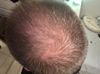
The user plans to use 1% Koshine826, 0.1% Alfatradiol, Minoxidil with Tretinoin, microneedling, and Stemoxydine for hair loss treatment. They expect significant recovery with this regimen.
A humorous discussion about hair loss treatments, specifically mentioning the use of 5mg of Dutasteride. The conversation includes jokes about the effectiveness of the treatment.
User discusses using a Minoxidil (5% w/v) + Finasteride (0.1% w/v) spray for hair loss, along with Logifeel Hair Spray, Trichoton Forte tablets, and Zycafy Shampoo. They seek experiences with sprays as most use oral tablets.
A user shared their 3-month hair loss progress using 5% topical Minoxidil, 8% topical RU58841, 1mg Finasteride daily, and a 1.5mm derma stamp weekly. Another user commented that the results look improved.
Significant hair improvement was achieved using 1.25mg finasteride and 5mg oral minoxidil daily, with no side effects. The user increased the minoxidil dosage to 7.5mg after noticing minor thinning and plans to continue the routine.
The user is using Minoxidil 5% with procapil spray and oral Minoxidil 2.5mg daily, and plans to add finasteride 1mg. They accidentally ordered a Minoxidil solution with finasteride 0.1% and are seeking advice on which to use.
The user used minoxidil alone for 5 years and recently added finasteride, ketoconazole shampoo, bimatoprost, and dermarolling to their routine. They are hopeful for regrowth, as combining these treatments can address hair loss causes, but results may take up to a year.
A 34-year-old man plans to reduce his finasteride dose from 1 mg to 0.5 mg due to negative side effects like hormonal imbalances and seeks advice on managing these effects and potential alternatives. Suggestions include considering dutasteride as an alternative and noting that a new equilibrium with a reduced dose may take about two weeks.
A 25-year-old man has been on 0.5mg Finasteride daily for a year, maintaining his hair with some regrowth and plans to increase the dose to 1mg. Some suggest adding Minoxidil for better results, while he considers it if his condition worsens.
A 21-year-old male switched from finasteride to 0.5mg dutasteride daily due to ongoing hair loss but has not seen improvement after 14 months, experiencing further thinning and recession. He is seeking feedback from other dutasteride users on their results after a similar duration.
The user has been using Minoxidil (5mg) and finasteride (1.1mg) for almost five months, with occasional microneedling and ketoconazole shampoo, and has noticed some hair regrowth and thickening. Others in the conversation agree that there is noticeable improvement and suggest continuing the treatment for better results.
A man in his late twenties switched from finasteride to dutasteride for hair loss and is sharing his 3-month progress, noting increased shedding but no side effects. Some responders think the treatment is working.
The conversation discusses using very low dose topical finasteride to achieve specific serum DHT reduction percentages. It concludes that finasteride dosage increases linearly between 5-30% DHT reduction but requires exponential increases for reductions up to 70%.
A user shared their 115-day progress in treating hair loss using 5% Minoxidil, topical Finasteride, biotin, microneedling, and collagen peptides. They reported visible improvement and no side effects from topical Finasteride, unlike the oral form.
Hair loss discussion focused on 2% Fluridil's peak efficacy at 3 months and 7% Fluridil group buy results, including shedding decrease, side effects, and regrowth.
The conclusion of the conversation is that the user, djamezz, has experienced significant regrowth and improved density in their hairline by using treatments such as RU (RU58841), dut (dutasteride), and Inkey's Caffeine Scalp treatment. They are satisfied with their progress and do not plan to cut off their hair.
A potential new hair loss treatment, HMI-115, and the possibility of discontinuing finasteride in favor of it. The conversation also includes discussion about other benefits of using finasteride.
KX-826 is undergoing trials for hair loss treatment, showing similar effectiveness between 0.5% and 1.0% dosages, with mild side effects compared to finasteride. Users discuss combining KX-826 with other treatments like minoxidil and clascoterone for better results.
A 21-year-old male has used 5% topical minoxidil and 1.25mg finasteride for 2 years, improving overall hair but not regrowing temples or crown. He is considering additional treatments like microneedling or dutasteride after a clinic advised against a hair transplant due to existing but damaged follicles.
P-1075 is a more potent hair growth agent than Minoxidil, but it poses significant heart risks, making it unsafe for use. Despite promising results in macaques, concerns about its cardiotoxicity in rats have halted its development.
A 22-year-old has been using finasteride 1mg daily and keto shampoo 1% weekly for hair loss with some progress but no significant regrowth yet. Users suggest waiting up to 18 months for results and possibly adding minoxidil or microneedling if needed.
A 25-year-old user shared progress after two months of using 5% minoxidil nightly on their scalp and beard. Many users suggest combining minoxidil with finasteride or dutasteride to prevent hair loss due to DHT, while others express concerns about potential side effects of these DHT blockers.
The user experienced hair regrowth using 1mg oral finasteride, 5% topical minoxidil, derma rolling, 1% ketoconazole shampoo, and a daily balding shampoo/conditioner over three months. They noticed baby hairs and positive changes, attributing early results to minoxidil.
The user improved hair density from 45% to 70% using dutasteride and minoxidil, but still uses hair fibers for a fuller look. They added a topical mix of minoxidil, finasteride, and bimatoprost, but doubt further significant improvement.
Pelage Pharmaceuticals raised $120M for their hair loss treatment, PP405, showing strong investor confidence despite limited data. There is skepticism about its efficacy and long-term effects compared to treatments like GT20029.
A user increased their finasteride dosage from 0.5 mg to 1 mg due to ongoing hair miniaturization, despite some improvement. They are considering dutasteride and have not used minoxidil, but are cautious about potential side effects.