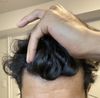
User switched from Fin to Dut for better hair loss results, using 0.5mg Dut and 1ml Min daily. Some discuss potential side effects and benefits of Dut compared to Fin.
A dermatologist prescribed 0.5 mg dutasteride and 2.5 mg minoxidil for hair thinning, which is considered a solid regimen for regrowth. Users generally agree that dutasteride is more effective than finasteride and support the dermatologist's decision.
A 30-year-old man has been treating his hair loss with 5% Minoxidil foam, a combination of 0.3% Finasteride and 6% Minoxidil at night, weekly dermastamping with 1.5 mm needles, and 1% ketoconazole shampoo 2-3 times a week for four months. He is asking for opinions on his hair regrowth and whether he can expect full recovery of his crown.
The user experienced side effects from daily 1 mg Finasteride and switched to 0.5 mg every other day, supplemented with creatine, tongkat ali, tribulus terrestris, vitamin D3, bromantane, l-tyrosine, and caffeine. They also use weekly 1.5 mm microneedling and daily 50 mg RU58841, except on microneedling days, to manage hair loss.
The user "Matryxv" shared their progress with hair loss, using finasteride, minoxidil, ketoconazole, dermarolling, and other treatments. They achieved significant hair regrowth in a short amount of time, surprising both themselves and other users.
The post discusses the user's experience with hair loss treatment using finasteride, clobetasol propionate, and ketoconazole shampoo. The conversation warns about the potential side effects of clobetasol, a powerful topical steroid, and emphasizes its short-term usage.
The user shared their five-month progress using topical minoxidil, oral finasteride, and dermarolling for hair regrowth, noting improvements despite some areas remaining thin. Other users suggested switching from dermarolling to dermastamping for safety and effectiveness.
Reducing scalp DHT doesn't directly correlate with preventing hair miniaturization, as different follicles have varying sensitivity levels. Dutasteride at 0.5 mg and 2.5 mg shows minimal visual difference in hair regrowth, with side effects being a consideration for higher doses.
A 37-year-old person taking 0.25mg of Finasteride daily to treat hair loss, with the goal of saving existing hair rather than regrowing it, who experienced an expected dramatic shed and subsequent improvement in their hair noticeably after 3 months. A 38 year old had a similar experience with the same timeline and result.
The user has been using dutasteride for 5 months and recently added finasteride, RU58841, and minoxidil, but is still experiencing significant hair shedding. Despite concerns, other users think the user's hair looks good and suggest continuing with finasteride.
A user shared their experience using Minoxidil 5% once daily for 77 days without any other treatments, reporting no side effects. Another user mentioned stopping finasteride due to side effects and now only uses Minoxidil.
The user reported significant hair density improvement after 35 days using finasteride (1.25 mg) and 5% minoxidil. Some users are skeptical, while others believe the progress is genuine.
A 35 year old male who has seen good results from Finasteride and microneedling, with minimal side effects. Replies to the post ask about the device used for microneedling, discuss the progress made, and offer encouragement.
A user is seeking advice on using a DIY solution of topical finasteride (Fynzur 2.275mg/ml) mixed with minoxidil for hair loss. They are concerned about achieving full scalp coverage and prefer using a scalp applicator over a spray.
The user shared a 6-month update on using topical minoxidil 5% twice daily and dutasteride 0.5 mg weekly, reporting improved hairline and temple regrowth with no side effects. Microneedling was also mentioned as a helpful addition to the treatment.
A user reports significantly reduced hair shedding by using a topical mixture containing 10% Minoxidil, 0.1% Melatonin, 5% Azelaic Acid, 5% Rosemary Oil, and 5% Peppermint Oil, and attributes the success mainly to Melatonin. They also use a copper peptide serum (AHK-Cu) for hair growth and Ketoconazole shampoo for scalp cleaning, but have stopped using other treatments like Finasteride and RU58841.
PP405 is seen as a potential breakthrough for converting vellus hairs to terminal hairs, with users expressing both hope and skepticism. It is compared to treatments like minoxidil and finasteride, with discussions on side effects and marketing concerns.
A 26-year-old is using minoxidil 5% and finasteride 0.1% topically for hair growth, with noticeable improvement in two months, especially on the hairline. They also use a derma-stamp every 15 days and report minimal side effects.
The conversation is about managing side effects of finasteride for hair loss, with users discussing splitting 1mg pills into 0.5mg doses to reduce fatigue and other side effects. Some users experienced initial side effects like fatigue and heart palpitations, which improved over time or with dose adjustments.
A 26-year-old African American male is experiencing hairline recession and thinning despite using 0.5mg finasteride daily and topical minoxidil. He is considering increasing finasteride dosage, returning to twice-daily minoxidil, or switching to dutasteride for better results.
P5P supplementation helped reverse finasteride side effects, particularly by lowering prolactin levels and restoring sensitivity. The user experienced significant improvement within a day and full recovery in a few days.
A 22-year-old user shared progress pictures after 5.5 months of using a topical solution containing Minoxidil and Finasteride for hair loss, noting increased hair density and reduced hair fall despite inconsistent application. The user recently switched to oral Dutasteride and Minoxidil due to difficulty with topical solutions and plans to update after a year.
The post discusses using RU58841 and 5% minoxidil for hair loss treatment, with RU applied to the temples and crown, and minoxidil used twice daily. Users debate the effectiveness of RU58841 compared to minoxidil alone.
A 49-year-old is using minoxidil, finasteride, and supplement chews for hair growth, experiencing thick growth except on the top, and seeking advice on improving density. Suggestions include continuing treatment, considering additional options like oral minoxidil, ketoconazole shampoo, dermapen, and possibly a hair transplant, though cost is a concern.
A 24-year-old male has been using 1mg finasteride daily, 5% minoxidil twice a day, ketoconazole shampoo, and dermastamping for hair regrowth, noticing progress in crown thickness and some temple regrowth. He is considering adding oral minoxidil to enhance results but is concerned about potential side effects.
The user shared progress after four months of using a topical treatment with 0.3% finasteride and 6% minoxidil from Hims, noting positive results and considering switching to oral medication for convenience. Other users discussed the effectiveness of minoxidil and finasteride, emphasizing that first-time users often see the best results, and shared personal experiences with hair regrowth and maintenance.
A 23-year-old male saw significant hair improvement after using topical minoxidil for five years and oral finasteride for one year. He is considering adding dutasteride weekly and continues using Head & Shoulders and Stiproxal for dandruff control.
A user shared progress pictures showing significant hair improvement after using a topical 0.3% finasteride/6% minoxidil solution from January to June 2024. They experienced initial shedding but saw progressive improvement with daily evening application.
The user is considering starting oral minoxidil for hair regrowth, debating between 2.5mg and 5mg doses, while already using topical minoxidil, dutasteride, and ketoconazole shampoo. Users suggest starting with a lower dose to monitor side effects, with some recommending trying finasteride first.