Hair loss treatments discussed include Minoxidil, finasteride, and RU58841. The conversation humorously reflects on past hair loss solutions and the potential of hair cloning.
A 30-year-old male with androgenic alopecia started using topical Minoxidil in 2018, Finasteride in 2020, and switched to oral Minoxidil and Dutasteride after Finasteride stopped working. He underwent hair transplants in 2022 and 2025, showing significant improvement in recent photos.
A 34-year-old male documents his hair growth journey using the iRestore Elite laser cap, biotin, and Pure Synergy Organic Superfood Capsules, after unsuccessful hair transplant and previous treatments with minoxidil and finasteride. Replies suggest using finasteride or dutasteride instead and caution against excessive use of the laser cap.
A potential treatment for hair loss that involves injecting fat into the scalp; the role of testosterone and estrogen in thinning fat tissue under the skin; research on using lard to treat androgenic alopecia, as well as PRP + ACELL/amniotic stem cell treatments; and ongoing clinical trials by doctors involved in the study.
User "hairlossblows" shares their positive experience with minoxidil, microneedling, and finasteride for hair loss treatment. They report significant hair regrowth, especially in the hairline, and minimal side effects from finasteride.
The user has been using finasteride and minoxidil for hair loss for 2 years and started microneedling, now considering a hair transplant in Mexico. Suggestions include trying dutasteride, oral minoxidil, and various opinions on hair transplant locations and the user's current hair condition.
The user is concerned about hair loss and is considering treatments like finasteride and minoxidil but is unsure about their effectiveness and side effects. They have experienced mixed reactions to shaving their head and are struggling with confidence due to balding.
Thin, short hairs often appear in areas of hair loss but may not grow fully despite treatments like finasteride. Some users consider additional treatments like microneedling or hair transplants.
A user experienced positive hair regrowth using oral and topical minoxidil, oral dutasteride, microneedling, and supplements. They noted improved hairline and temple density with minor side effects like a few forehead pimples.
The user has been using finasteride for 20 years to stop hair loss and is considering using minoxidil and microneedling to regrow hair on the hairline. They are also open to trying other treatments like hair transplants but prefer less invasive options first.
The user experienced hair regrowth using 0.5mg oral finasteride and the iRestore laser cap every other day, with reduced shedding. They also take collagen peptides and Nutrafol vitamins, though they are unsure of the latter's effectiveness.
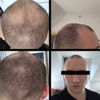
This user discussed their hair loss journey and shared pictures to get advice on the best treatment option. They had been using finasteride since November 2020, with a minimal amount of ground lost, and recently added minoxidil in April 2021. A transplant was suggested as an option, although they have not made a decision yet.
A 19-year-old is using finasteride, dutasteride, and minoxidil to combat hair loss, seeing improved hair density but minimal hairline regrowth. Users suggest patience, continued treatment, and possibly considering a hair transplant in the future.
Minoxidil helped with temple regrowth, and finasteride improved overall hair appearance and stopped further hair loss. Minoxidil was also applied to eyebrows and eyelids, with noticeable gains, but was stopped on the beard due to bloating.
Starting finasteride, dutasteride, and minoxidil early is advised for minimal hair loss to preserve hair. Professional consultation is important due to potential side effects.
EDHARRINGTON's journey to regrow his hair using finasteride, topical minoxidil, and micro-needling treatments over 4 years, with others commenting their support and admiration for his results.
The user shaved their head and is using finasteride and minoxidil for hair loss, expressing confidence in the process despite challenges. They are considering additional treatments like microneedling and are open to trying different looks, including facial hair growth.
The conversation discusses the effectiveness of hair loss treatments, with one user experiencing significant hair regrowth after 6 months using minoxidil at night, finasteride in the morning, microneedling every three days, a healthy lifestyle, vitamins, and a specific shampoo. Another user is inquiring about the timeframe for seeing results with minoxidil.
A 21-year-old experiencing significant hair loss is considering a hair transplant and has been using finasteride and biotin, with plans to switch to dutasteride and oral minoxidil for better regrowth. They are seeking advice on the number of grafts needed, with suggestions ranging from 2,500 to 6,000, and are exploring different clinics and treatment options.
A 27-year-old male is using a regimen of topical finasteride, minoxidil, ketoconazole, and biotin for hair loss, and has recently started oral finasteride despite previous side effects. He is considering shaving his head and is advised that a hair transplant might be possible once hair loss stabilizes.
The conversation discusses hair loss treatments, including microneedling, Nizoral, LLLT, Minoxidil, and Finasteride. The user experienced initial shedding reduction with Nizoral and LLLT, but shedding resumed with Minoxidil and Finasteride, which is considered a normal part of the treatment process.
A person shared their hair regrowth journey using HIMS topical treatments with finasteride, minoxidil, hormone replacement therapy (HRT), and microneedling. They also discussed their transition as a transgender woman and the positive impact of HRT on hair recovery.
The user is using oral finasteride, minoxidil, and KX-826 for hair regrowth, noticing small improvements. They plan to add ketoconazole shampoo and consider a hair transplant with verteporfin after a year of treatment.
David Barreto shared that a London-based research group is conducting a 12-month trial for a new nutraceutical treatment for pattern hair loss, designed with Dr. Carlos Puig. The trial aims to provide robust data, with results expected in 1-2 years, potentially representing a significant advancement since finasteride’s introduction in 1997.
Transplanting pubic and butt hair to the head is discussed humorously, highlighting pros like DHT resistance and cons like poor blending and appearance. Users joke about using treatments like Minoxidil, Finasteride, and RU58841 on unconventional donor areas.
User experiences slow hair regrowth despite using finasteride, topical minoxidil, and supplements like biotin, zinc, and collagen. They seek advice on addressing overall slow hair regrowth.
The user is considering hairrestoration options after experiencing side effects from Minoxidil and avoiding Finasteride due to concerns about side effects. They are contemplating trying Finasteride or Dutasteride and possibly undergoing a hair transplant.
A 20-year-old with aggressive hair loss is using oral minoxidil and finasteride, considering a buzz cut to manage appearance. Most suggest a buzz cut or shaving, recommending patience with medication and possibly trying RU58841 or dutasteride.
The user regrets not using medication after a failed hair transplant and is now using a combination of minoxidil, finasteride, derma rolling, oils, and ketoconazole shampoo to try to improve hair regrowth. They are seeking feedback on progress and considering further treatment options.