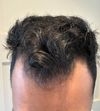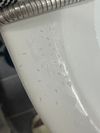
The user reported hair thickening and new growth after using minoxidil and microneedling for over three months. They are considering finasteride but have not started it yet.
The user applied minoxidil and finasteride topically for hair regrowth, experiencing significant results but stopped finasteride due to side effects. They later added stevia to minoxidil, noticing potential improvement in hair density, particularly at the front.
The user is using a solution of 5% minoxidil and 0.1% finasteride with micro-needling and is considering adding 1mg oral finasteride. They notice small hairs on their forehead and are questioning if these indicate potential regrowth.
The user experienced hair regrowth over three months using oral finasteride daily, topical minoxidil 5-6 times a week, a weekly derma stamp, and tretinoin 2-3 times a week. The regrowth includes small hairs, attributed to the treatments.
The user has been using a topical solution of minoxidil 5% and finasteride 0.025% daily, along with dermastamping every two weeks and ketoconazole shampoo twice a week for four months. The treatment is for hair loss.
The user has been using 1mg finasteride daily, 5% minoxidil twice daily, 1.25mm derma-stamping fortnightly, and 2% nizoral shampoo twice a week for two years, seeing significant hair regrowth despite periodic shedding. They plan to consider a hair transplant in the future to address stubborn areas.
The user experienced significant hairline regrowth over seven months using oral finasteride, topical minoxidil, and microneedling. Initial shedding occurred, but baby hairs appeared around three months, gradually maturing to fill in the hairline.
This conversation is about a user's regrowth journey using 5% Minoxidil and 1% Finasteride, with positive results after 2 months. Other users offered support or shared their experiences with hair loss treatments.
The user experienced new hair growth after switching from oral finasteride to topical RU58841 with minoxidil and undergoing stem cell therapy. They noticed new hairs at the hairline and temples, but are unsure which treatment is responsible.
Hair loss impacts mental health, with treatments like Minoxidil, finasteride, and stem cell transplants discussed. There is hope for future breakthroughs, but current treatments are limited, and awareness is lacking.
Beard hair grown with minoxidil can become permanent because it is not sensitive to DHT, unlike scalp hair, which requires ongoing minoxidil use even with DHT blockers like finasteride or dutasteride. Dutasteride reduces scalp DHT significantly but not completely, which may explain why scalp hair still needs minoxidil for maintenance.
The user is experiencing positive hair regrowth results after 3 months using finasteride and minoxidil both orally and topically, along with biotin and ketoconazole. They also use a shampoo containing caffeine and biotin.
After 7 months of using topical finasteride/minoxidil, microneedling, and Nizoral shampoo, the user believes they are seeing hair regrowth. They are seeking further advice to improve their results, excluding hair transplant options.
Hair loss treatments discussed include Minoxidil, Finasteride, microneedling, red light therapy, and biotin pills. The most proven treatments are Minoxidil, Finasteride, and microneedling, while other methods are considered less effective or satirical.
The user shared their 8-month hair loss treatment progress using Minoxidil 5% with Finasteride, microneedling, and liquid Vitamin D. They advised against junk food, wearing tight caps, and using hair straighteners, emphasizing consistency with a single brand for effective results.
The user shared progress pictures after using oral minoxidil 2.5mg, oral finasteride 0.25mg three times a week, and weekly 1.5mm microneedling for two months. They reported positive results in hair growth.
Hair looks thinner in sunlight, and users discuss using hair fibers, minoxidil, finasteride, and considering dutasteride for hair loss. Hair fibers like Toppik help conceal thinning, and some users suggest additional treatments like derma stamping and micro-needling.
A 23-year-old male shares his 4-month hair regrowth progress using oral minoxidil, oral finasteride, collagen, biotin, keto shampoo, and dermarolling. He notices fuller hair but minimal visible change, and considers adding topical minoxidil despite concerns about consistency.
Microneedling combined with minoxidil and finasteride shows significant hair regrowth, though opinions on its effectiveness vary. Some users report substantial benefits, while others highlight the need for more research and consistency in application.
The conversation is about using 1mg finasteride and 5% topical minoxidil for hair loss, along with a dermaroller, Alpecin caffeine shampoo, and Nizoral shampoo. Users express optimism about the potential improvement in hair density.
The conversation is about hair loss treatments, focusing on minoxidil and finasteride, with suggestions for microneedling and dermarolling to improve hair thickness. The original poster has used minoxidil for four years and finasteride for over a year but is exploring additional options for better results.
A user shared their positive experience with a 5% minoxidil and 0.1% finasteride topical serum for hair loss, noting improvements in hair density and new growth within 2.5 months. They also mentioned using red light therapy, vitamin D+K2 supplements, and an all-natural shampoo.
The user started using Minoxidil for hair loss two years ago, saw good results, but experienced shedding again after 1.5 years. They then started using finasteride and microneedling, which showed positive results, but caused some side effects like reduced spontaneous erections, leading them to experiment with a lower dosage.
A user shared their impressive hair regrowth progress after 5 months using 1mg oral finasteride every other day, 2.5mg oral minoxidil daily, weekly dermastamping, and daily scalp massages. They reported no side effects and began seeing improvement after 2.5 months.
The user experienced significant hair darkening and progress in hair regrowth over six months using 5% topical minoxidil, 5 mg oral minoxidil, 1 mg finasteride, and weekly microneedling. No side effects were reported from these treatments.
The conversation discusses a 3-month update on using topical minoxidil, finasteride, microneedling, and ketoconazole shampoo for hair loss. Users express amazement at the progress and congratulate the original poster.
The user is using Minoxidil, Finasteride, microneedling, and plans to add low-level laser therapy (LLLT) to treat hair thinning. They shared progress pictures showing results from May 8th to June 7th.
A user's experience with hair loss treatments, specifically Minoxidil (topical) and Finasteride (oral), over a period of 1 year and 4 months. The user reported best results after 6 months, a significant hair shed 4 months ago, and current regrowth, while also using a 1.25mm dermastamp. The user adjusted Finasteride dosage over time and experienced high testosterone and nipple sensitivity.
A user shared their 9-month progress using Minoxidil, Finasteride, microneedling, and Nizoral shampoo for hair loss, expressing great satisfaction with the results. They use a Min/Fin topical spray nightly, Minoxidil in the morning, microneedle twice a week, and Nizoral shampoo twice a week.
The user shared progress pictures after 3 months of using topical finasteride, minoxidil, and microneedling for hair loss. They plan a hair transplant at 6 months, and others inquired about microneedling frequency and depth.