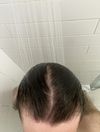
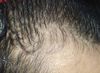
After 2 months of using minoxidil and finasteride twice daily, along with ketoconazole shampoo 2-3 times a week, progress in hair condition is shown. The user shares pictures to document the changes.
The user "Bishiop" shared a progress update on their hair density and strength after adding Minoxidil to their routine. They are also using Finasteride and microneedling. They hope to fill in their hairline by the end of the summer.
PP405 is suspected to be a scam, with users doubting its legitimacy and effectiveness. Many recommend using proven treatments like finasteride and minoxidil.
The conversation discusses GT20029, a new topical drug for hair loss and acne without notable side effects, which has been accepted for investigational use in China. Some users express skepticism about the legitimacy of the company and the potential for other drugs like RU58841 to be developed due to patent expiration and lack of profitability.
The conversation discusses DIY cosmetic procedures like PRP, mesotherapy, and micro-needling, with some users experimenting with Minoxidil, finasteride, and RU58841 for hair loss. It highlights a community of mostly older women performing these treatments themselves.
The conversation is about hair regrowth using micro-needling, RU58841, oral and topical minoxidil, ketoconazole shampoo, and dutasteride. Users suggest that noticeable results take longer than two weeks, though one user mentions seeing baby hairs.
User TH1RT33N_DR34M shares that MinoxidilMax plans to make topical Procyanidin B2 within a month. Users discuss the legitimacy of the product, quality control, and potential results from using it for hair loss.
Hair loss treatment with Fin 1mg, Min foam twice a day for 4 months. Minoxidil can make hair darker by stimulating melanocytes; keto shampoo also used.
The conversation discusses buying RU58841 directly from a Chinese supplier for cost savings. It mentions that companies like Anageninc and Actifolic do the same.
Piroctone olamine is more effective than ketoconazole for increasing hair growth and reducing itching and dandruff. Treatments discussed include Minoxidil, finasteride, and RU58841.
The user shared progress photos showing hair regrowth after using Minoxidil, Finasteride, and Nizoral since mid-2023, and plans to replace derma rolling with Tretinoin. They discussed their routine, the initial shedding phase, and their experience with side effects, while others commented on the visible improvement.
Concerns about finasteride's side effects on neurosteroids and brain health, with skepticism towards Kevin Mann's advice. Users discuss using finasteride, minoxidil, and RU58841 for hair loss, with mixed opinions on their safety and effectiveness.
Kintor Pharma completed a successful Phase II clinical trial for KX-826, a treatment for androgenetic alopecia. KX-826 is similar to finasteride with minor side effects and is more backed than Cosmerna.
A 21-year-old male is happy with his hair regrowth after 6.5+ months using Minoxidil, finasteride, micro-needling, and 2% ketoconazole shampoo. He noticed improvement in hair texture after about 5.5 months and takes finasteride orally every other day due to side effects from daily use.
The user experienced hair regrowth using dutasteride daily, microneedling weekly, and Nizoral shampoo, after stopping minoxidil due to side effects. They also use a mix of pumpkin seed, rosemary, and peppermint oil, and are considering RU58841 for more temple area thickness.
The user experienced improved hair health and density after three months using 1mg finasteride and topical minoxidil twice daily, with no side effects. They also use ketoconazole 2% twice weekly and purchase their medications from Amazon.
A new hair loss treatment, KX-826, is being discussed as a stronger and safer alternative to RU58841 and finasteride. Opinions are mixed, with some users skeptical about its effectiveness and others considering it as part of their regimen.
The user is using finasteride, RU58841, and various natural supplements and treatments like seamoss, fish oil, and black rice water spray to combat hair loss, avoiding minoxidil due to dependency concerns. They report thicker hair and regained confidence, while discussing the potential risks and benefits of RU58841 with others.
The user shared progress pictures after a year of treating hair loss with 5% minoxidil, then a combination of minoxidil/finasteride topical, and microneedling at 1.5mm bi-weekly. They plan to switch to oral finasteride and more frequent microneedling at a shallower depth while continuing the current regimen.
Amplifica is testing a compound called AMP-303 for hair loss, but it's not Scube3 or osteopontin. The timing for the results from the clinical trial is unknown.
The user experienced significant hair regrowth after 7 months using topical minoxidil once a day and 0.5mg dutasteride every other day, with noticeable results in the last two to three months. They reported no side effects and did not use dermarolling.
The conversation is about a product called Serioxyl, which was expected to contain stemoxydine. It clarifies that Diethyl lutidinate is another name for stemoxydine.
A user's 1 year update on hair loss treatments, including minoxidil, nizoral and derma rolling; with comments from other users praising the results of the treatments.
The conversation is about using topical minoxidil and Nizoral shampoo for hair loss. It discusses whether to use conditioner with Nizoral and how to apply minoxidil without causing scalp irritation.
The conclusion of the conversation is that the user has experienced significant hair regrowth using a combination of medications, including dutasteride, RU58841, and minoxidil. They have not experienced any noticeable side effects and are considering a hair transplant in the future.
Kirkland Minoxidil from Amazon may be fake, and it's safer to buy directly from Costco. Users suggest alternatives like Walmart's Equate or buying from Costco's website.
A user shared their positive 3-month results using a treatment for hair loss that includes Dermaroller, Minoxidil, and Amplexe Shampoo. They avoided using finasteride due to its risks.
The conversation is about using 1mg finasteride and 5% topical minoxidil for hair loss, along with a dermaroller, Alpecin caffeine shampoo, and Nizoral shampoo. Users express optimism about the potential improvement in hair density.
The user has been using RU58841, topical Minoxidil, Ketoconazole shampoo, and a Dermastamp for 8 months, and Finasteride for 7 months to treat hair loss. They apply RU58841 daily, use Minoxidil and Dermastamp regularly, take Finasteride daily, and have not experienced side effects.