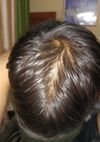
A 29-year-old man shows 3 months of hair regrowth using minoxidil 5%, oral dutasteride 0.5mg every other day, and occasional microneedling after overcoming fears about finasteride side effects. He is optimistic about further improvement.
A user shared progress pictures after using a topical solution containing Minoxidil 5%, Tretinoin, and Azelaic acid for two months. The conversation discusses the effectiveness of this treatment for hair loss.
A 20-year-old diffuse thinner has been using finasteride for 8 months and is considering adding minoxidil to their routine. A user suggests incorporating minoxidil for quicker regrowth, despite the hassle of daily application, while continuing finasteride.
A user is seeking advice on how to split a 5mg finasteride tablet to achieve a 1mg dose for hair loss treatment, as 1mg tablets are unavailable in Morocco. They are looking for a cost-effective solution due to financial constraints.
A user was prescribed a topical solution containing 10% Minoxidil and 0.1% Finasteride for hair loss. They are seeking experiences with these dosage levels.
The user is dissatisfied with the results of using 0.3% finasteride and 6% minoxidil for hair thinning and is considering a topical treatment combining finasteride, dutasteride, minoxidil, melatonin, caffeine, and latanoprost. Another user suggests that high topical concentrations can lead to systemic exposure and recommends using oral dutasteride and microdosing topical finasteride.
Minoxidil may age skin by slowing collagen synthesis, but using collagen peptides and a basic skincare routine might counteract this. Foam minoxidil could reduce systemic absorption and avoid alcohol-related side effects.
The user is experiencing significant hair regrowth after three months using 5% minoxidil, natural remedies, and dermarolling, and plans to start finasteride soon. Other users discuss the importance of combining minoxidil with finasteride to prevent hair loss and maintain progress.
A 24-year-old male shares his 5-month progress using 1mg finasteride daily, biotin supplements, multivitamins, 3ml minoxidil daily, and derma rolling twice a week. A user inquires about hair shedding and the type of minoxidil used.
The user is seeking an alternative to DualGen 15 that includes Minoxidil and Retinol but is less sticky and more convenient to use. They find the current product inconvenient due to its stickiness and long wait time before washing.
The user has seen good progress in hair density after almost 10 months using 0.6 mg oral minoxidil, 1.25 mg oral finasteride every other day, and topical minoxidil twice daily, along with weekly derma stamping. They experienced side effects with higher doses of minoxidil and encourage others to try these treatments.
PP405 might make minoxidil unnecessary, but finasteride or other 5AR inhibitors may still be needed. PP405 is expected to be expensive and not available until at least 2028, with limited information on its effectiveness.
The conversation discusses a prescribed hair loss treatment combining 12.5% minoxidil with tretinoin, azelaic acid, and topical finasteride, costing $55 a month. One user criticizes the packaging for degrading tretinoin, another suggests it's an overpriced option and recommends topical dutasteride as an alternative due to its higher molecular weight and lower systemic absorption.
A 28-year-old male shared progress pictures showing temple hair growth after using 5mg Minoxidil and 0.5mg Dutasteride since January 1st. Users discussed the effectiveness of these treatments, with some noting increased facial hair growth and others inquiring about the method of application.
The conversation is about someone's 4-month hair regrowth progress using 0.5mg dutasteride and topical minoxidil. Another person is inspired and is using 5mg finasteride and 5% minoxidil topically twice daily, hoping for similar results.
A 42-year-old user shared progress after 6 months using 1.25mg finasteride and 5mg oral minoxidil daily, with 5% topical minoxidil twice a day, improved nutrition, and weekly dermarolling. The user noticed some shedding and slower regrowth but remains disciplined, while others commented on the impressive results and potential side effects of high minoxidil doses.
The user is considering starting Minoxidil and is looking for a topical solution to combine with it. They are confused about which product to prioritize among options like RU58841, Pyrilutamide, FinaTopic, and DutaTopic.
The conversation discusses using 0.1% retinol as a potential substitute for 0.01% tretinoin with minoxidil for hair loss treatment. It mentions that tretinoin is not easily available in some countries, and retinol might be less effective but less harsh on the scalp.
The user has been using dutasteride 0.5mg and oral minoxidil 2.5mg for 1.5 years and is concerned about hair loss despite visible improvement. Others suggest continuing the treatment, adding microneedling, PRP sessions, or consulting a doctor for further advice.
The user shared an 11-month hair loss treatment update, maintaining the same regimen but adding vitamins and increasing minoxidil application to 1ml during the day. It's unclear if the vitamins contributed to any changes.
Oral minoxidil is discussed, highlighting potential cardiovascular risks at high doses, but users note that lower doses commonly used for hair loss are generally considered safe. Monitoring by doctors is advised, and some users report taking it without issues, comparing its risks to those of common medications like ibuprofen.
A 37-year-old man achieved significant hair regrowth in five months using topical minoxidil 5%, rosemary oil massages, and Nizoral 2% shampoo. His impressive results led to disbelief and admiration, with some attributing his success to being a "hyper responder."
The conversation is about incorporating tretinoin into a topical minoxidil routine for better hair loss treatment. The user is considering compounded minoxidil sprays with tretinoin from brands like Keeps and Roman.
The user is happy with their hair regrowth progress using 1mg Finasteride daily and 5% Minoxidil foam twice a day, with added vitamin D to combat potential side effects. They report no significant side effects and wish they had started the treatment earlier.
A 23-year-old experienced reduced hair loss after three months of using oral minoxidil and dutasteride. The user reported no side effects and plans to continue the treatment.
A 26-year-old is using 5% minoxidil twice daily and 1 mg finasteride every other day, along with biotin and collagen supplements, for hair regrowth. They apply minoxidil to the temples and crown and experienced initial shedding in the first month.
A user is taking 2.5 mg oral Minoxidil and was prescribed a topical oil with Minoxidil 8%, Dutasteride 0.05%, and Finasteride 0.5%. They are seeking opinions on whether this combination is excessive or appropriate.