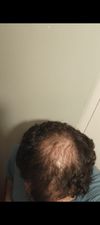
Using PRP or Exosome treatments alongside Finasteride/Dutasteride and Minoxidil may not significantly enhance results. Dutasteride and oral Minoxidil are considered more effective options.
The user switched from finasteride to 0.5mg oral dutasteride and added 2.5mg oral minoxidil, along with occasional microneedling, to improve hair regrowth. They reported no side effects and are hopeful for continued progress, especially in the temple area.
A user experienced an allergic reaction, including swollen lymph nodes, to Minoxidil 5% with an aqueous base. Switching to a non-alcohol-based Minoxidil (Prolox 5%) resolved the allergies.
The user experienced hair regrowth after 10 months using Minoxidil, 2.5 mg Dutasteride, and 0.5 mg Finasteride. They switched from a compounded pill to Avodart capsules and plan to reassess their treatment after one year.
The conversation is about a user sharing their positive progress with hair regrowth using oral minoxidil, biotin, finasteride, and other supplements. The user also mentions using a HIMS oral fin/min combo and receives advice and encouragement from others.
The user is using oral and topical minoxidil, finasteride, dutasteride, and considering adding rosemary and pumpkin saw palmetto to their regimen. They report significant hair growth, especially with dutasteride, and are considering increasing their dose and adding RU58841.
The user plans to lower their oral minoxidil dose from 5 mg to 2.5 mg to reduce side effects like puffiness and hypertrichosis, while also using finasteride and accutane. They are considering caffeine serums for puffiness and discussing dietary changes or switching to topical minoxidil to address bloating.
The conversation humorously discusses exaggerated hair growth results using 500mg finasteride and 1000mg minoxidil daily, with side effects including a bloody nose and lowered libido. It also jokes about microneedling, hair transplants, and elephants, suggesting the post is satirical.
Oral minoxidil can cause severe side effects, including heart issues, even at low doses. Users suggest starting with a lower dose or using topical treatments to minimize risks.
The conversation is about someone's 13-month hair regrowth progress using 0.5 mg Dutasteride daily, 5% Minoxidil twice daily, Biotin tablets, and Sebizole shampoo. They are happy with the results.
A 28-year-old male reports progress in hair regrowth using 5mg Minoxidil and 0.5mg Dutasteride, noting improvement in the crown area. Another user shares similar positive results since starting treatment in January.
Users discuss using high-strength Minoxidil, topical finasteride, and azelaic acid for hair loss. Some report success with higher Minoxidil percentages, while others express concerns about potential heart risks.
A 23-year-old male experienced hair regrowth by adding oral minoxidil to his regimen, which already included dutasteride, topical minoxidil, ketoconazole shampoo, and levothyroxine. He also uses microneedling, biotin vitamins, and exercises regularly, reporting no side effects from oral minoxidil so far.
The conversation discusses hair regrowth progress using 1mg oral finasteride and 5mg oral minoxidil daily over three years. Concerns about potential heart risks from minoxidil dosage are raised, with suggestions to consult a doctor and consider reducing the dose.
Minoxidil 5% foam was used twice daily for 4 months, resulting in visible hair regrowth. Users discussed adding finasteride for better long-term results, with concerns about its side effects and alternatives like breezula and clascoterone.
The user experienced significant hair regrowth over seven months using a combination of oral dutasteride, minoxidil, microneedling, vitamin D, biotin, zinc, and iron. They plan to continue treatments to prepare for a potential hair transplant.
A user trying various treatments for hair loss, such as minoxidil, stemoyxidine, alfatradiol, and microneedling, with plans to add tretinoine and finasteride.
The conversation discusses hair regrowth using minoxidil and dutasteride, with users sharing their experiences and results. Some users report improvements, while others mention side effects like low libido and erectile dysfunction.
The conversation is about using stemoxydine in addition to minoxidil for hair growth. The original poster is considering adding stemoxydine to their hair loss treatment regimen.
The conversation discusses transitioning from topical to oral minoxidil for hair loss treatment and explores the potential use of Aminexil, despite concerns about its effectiveness compared to minoxidil. It highlights the risks and side effects of oral minoxidil, such as potential heart and liver damage, and emphasizes the importance of monitoring blood pressure.
Oral minoxidil is causing significant blood pressure fluctuations and increased heart rate, leading the user to consider switching to topical minoxidil and tretinoin. The user plans to consult a cardiologist and is likely to stop using oral minoxidil.
The user is considering switching from a topical minoxidil and finasteride solution to oral minoxidil to improve hair growth, while maintaining oral finasteride. They are concerned about potential shedding and whether they can maintain any new growth.
Oral minoxidil has shown positive results for hair regrowth, but concerns about its side effects, such as heart issues, are noted. Adding a DHT blocker like finasteride is recommended for better and more lasting results.
A user shared their progress using 1mg Finasteride and 2.5mg Oral Minoxidil for hair loss, reporting no side effects and noticeable improvement in hair density and beard growth. They expressed gratitude for the support and hope to regain most of their hair.
Low-dose oral minoxidil is used for hair loss and does not significantly affect blood pressure but may increase heart rate and cause hypotensive symptoms. Some users experience side effects like palpitations and shortness of breath, while others find it effective; topical minoxidil with tretinoin is also considered.
The user improved their hair loss from a Norwood scale 2.5/3 to 1.5/2 using treatments including 2.5 mg dutasteride, RU58841, 15 mg oral minoxidil, isoflavones, NAC, pumpkin seed oil, NAD+, and Vipelin, but still experiences temple recession. Other users expressed concern over the high dosages of oral minoxidil and dutasteride.
The user mixed RU58841 with Minoxidil for hair loss treatment and experienced reduced hair fall and thicker hair but stopped due to chest pain and muscle twitching. They plan to use a new routine without RU58841 or Finasteride due to side effects, including various topical treatments and peptides.
Minoxidilmax offering a 0.5% Pyrilutamide solution and debating the cost, effectiveness, and safety of using it alone or with other treatments such as Finasteride and Minoxidil.
A user shared their dad's progress after 5 months of Minoxidil and 4 months of Finasteride, showing significant hair regrowth. Users discussed the potential for miniaturized hairs to become terminal again, with some expressing hope and others skepticism.