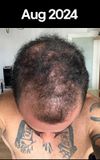
User shared 1-year progress using finasteride and minoxidil for hair loss, with positive results. Another user discussed their own experience, considering switching from topical to oral minoxidil.
Hair loss treatments discussed include Minoxidil, Finasteride, RU58841, and Nizoral shampoo. Nizoral's effectiveness is debated, with some suggesting it works as a weak antagonist for androgen receptors, while others attribute its benefits to anti-fungal and anti-inflammatory properties.
A user discusses using dermastamping for hair loss and questions the timing of applying a mixture of peppermint oil, spearmint oil, rosemary oil, and castor oil due to their anti-inflammatory effects. They wonder if waiting 10 hours after stamping would be more effective.
Hair regrowth treatments for cis-males include Minoxidil, Finasteride, and RU58841. Estrogen and testosterone blockers can help restore hair loss but may not suit everyone.
An 18-year-old has been using minoxidil and finasteride for hair loss since age 15, recently adding dutasteride and GHK-Cu, but sees no significant improvement and is considering a hair transplant. Concerns are raised about using hormone suppressors at a young age, with suggestions to explore other treatments like dermarolling, diet changes, and checking for deficiencies.
Finasteride and minoxidil are recommended as first-line treatments for hair loss, with dutasteride and oral minoxidil as stronger options if needed. Hair transplants should only be considered after achieving stability with medication, and non-surgical options are suggested if medications are ineffective.
Hair loss treatments like Minoxidil, finasteride, and RU58841, focusing on their effectiveness and side effects. It also highlights the disparity in medical research funding between hair loss and conditions like endometriosis.
Microneedling is often combined with minoxidil for hair growth, but concerns about scalp damage, pain, and effectiveness deter some users. Alternatives like finasteride, dutasteride, tretinoin, and laser treatments are preferred by others.
The user experienced noticeable hair regrowth after three months of using topical minoxidil and finasteride, with no reported side effects. Other users discussed their experiences with similar treatments, including concerns about side effects and alternative options like dutasteride.
Significant hair regrowth was achieved using oral finasteride and topical minoxidil over five months, with noticeable improvements in hairline and temple areas. The user experienced minimal side effects, mainly increased eyebrow and eyelash growth, and attributes additional physical improvements to weight loss and exercise.
The user is asking if they are seeing hair regrowth after using 0.05% tretinoin, minoxidil, 1.25mg finasteride, weekly dermarolling, and ketoconazole three times a week. They are seeking feedback on their routine.
User shared a 4-month progress update on using minoxidil and 1.5 months on finasteride for hair loss. Reactions were mixed, with some expressing disbelief and others feeling inspired to start treatment.
A user's 60-day progress using minoxidil and finasteride spray, combined with derma stamping, shampooing twice weekly, vitamins, intense conditioning training, and a carnivore/ketovore diet. The most recent post includes pictures of the progress following a haircut and shower, with hair air dried.
Caffeine ointment was mentioned as being as effective as Minoxidil for hair loss treatment without the side effects. Caffeine is also found in some shampoos.
The conversation is about the effectiveness of topical azelaic acid in blocking DHT for hair loss treatment. Specific treatments discussed include Minoxidil, finasteride, and RU58841.
Despite using finasteride, minoxidil, and RU58841, the user is experiencing slow hair loss, particularly at the hairline, and is considering additional treatments like microneedling and possibly switching to dutasteride. Concerns about medication side effects, such as reduced sperm count and performance anxiety, are also discussed.
Low estrogen levels may reduce the risk of side effects from finasteride, such as gynecomastia. Some users plan to start with microneedling and minoxidil before trying finasteride, while others have experienced temporary side effects from topical finasteride but continued use without persistent issues.
A user started taking 0.625mg oral minoxidil daily for hair loss, increased the dose to 1.25mg, and experienced a significant shed, losing 70% of scalp density. They cannot tolerate finasteride due to side effects but are hopeful for hair regrowth despite the shedding.
The user experienced increased hair shedding after switching from finasteride to dutasteride, despite lifestyle improvements and additional treatments like oral minoxidil and PRP. They are concerned about persistent shedding, changes in hormone levels, and potential chronic telogen effluvium, and are considering a scalp biopsy for further investigation.
The user has been using Hims finasteride and minoxidil spray, nizoral shampoo twice a week, and a daily biotin gummy for 90 days to treat hair loss. The user and others discuss the cost, dosage, and effectiveness of the treatment, with some suggesting cutting hair short for better results.
A user claimed significant hair regrowth over 18 months using minoxidil, finasteride, ketoconazole shampoo, dermastamping, and supplements without a transplant. Commenters were skeptical, suspecting a hair system might be involved.
Breezula is seen as potentially overhyped, with concerns about its cost, effectiveness, and long-term benefits compared to existing treatments like finasteride and minoxidil. Some users believe it could complement existing treatments, while others are skeptical about its impact and prefer waiting for newer options like GT20029 and PP405.
A 42-year-old man achieved significant hair regrowth in seven months using oral minoxidil, oral dutasteride, topical minoxidil, microneedling, and supplements. He experienced minimal side effects and noted dramatic improvements in hair thickness and health.
People discussed using finasteride, minoxidil, and dutasteride for hair loss, with mixed results and side effects. Some had positive outcomes, while others experienced issues like libido changes and chose alternatives like hair systems.
A 24-year-old shared their three-month hair regrowth progress using Minoxidil 5% liquid and a natural hair oil, while considering finasteride and other treatments. Users discussed the effectiveness of various treatments, including topical finasteride, nizoral, and the importance of addressing DHT as a cause of hair loss.
Stopping hair loss treatments like finasteride and minoxidil can result in losing regrown hair, highlighting the importance of consistent use. Restarting these treatments may cause temporary shedding, but hair can regrow with continued use.
Begin with finasteride to evaluate its effectiveness before adding minoxidil. Combining treatments may enhance results but could also increase side effects; individual responses differ.
The conversation discusses the use of topical minoxidil and finasteride for hair loss, with some users combining them with oral treatments. Users share their experiences and opinions on effectiveness, cost, and convenience, with mixed views on whether topical or oral applications are superior.
The conversation discusses the effectiveness of various doses of Dutasteride in reducing scalp DHT and its impact on hair count. Users shared personal experiences with hair loss treatments, including Dutasteride, Finasteride, and Minoxidil, with one reporting significant hair loss reduction using a combination of oral Dutasteride and topical Minoxidil and Finasteride.