Evaluating the effectiveness of taking oral minoxidil as a hair loss treatment, in comparison to finasteride and topical minoxidil; discussing potential side effects of using oral minoxidil.
The user is using dutasteride and minoxidil foam for hair regrowth, applying minoxidil once daily due to side effects from the liquid form. They plan to increase dutasteride dosage and possibly apply minoxidil twice daily, while also using ciclopirox olamine shampoo and sulfur soap.
Minoxidil is more effective when combined with retinoic acid, such as tretinoin or tazarotene, enhancing hair growth. Some users experience significant regrowth, while others see minimal effects or side effects.
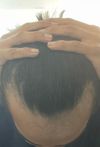
A user did not respond to finasteride, dutasteride, and oral minoxidil for hair loss after four years of treatment and is considering scalp micropigmentation (SMP). Other users suggest the hair loss pattern may indicate alopecia areata and recommend seeing a dermatologist.
Someone switched from topical minoxidil to oral minoxidil and found it more effective and convenient, reporting improvements in hair, eyebrows, eyelashes, and beard without scalp issues. They are seeking long-term experiences from others who made the same switch.
Minoxidil users discuss skin-care routines to counteract side effects like dark circles and dull skin. Recommendations include vitamin C, potassium, collagen, retinol, nizoral shampoo, and emu oil.
Minoxidil alone is not effective for hair regrowth; adding a DHT blocker like finasteride or dutasteride is recommended. Dermastamping and micro-needling can enhance results, and some users suggest trying oral minoxidil or natural DHT blockers.
Whether Finasteride can keep alive the hair gained by Minoxidil after quitting it, and why beard hairs are not as susceptible to miniaturization. It is suggested that scalp hair may be dependent on Minoxidil and that DHT could be countered with Finasteride to some extent, but there is no definitive data proving this.
A user's progress with using Minoxidil5% twice daily, dermarolling 1.5mm once per week and ketoconazole 2% shampoo for 2.5 months. Other users have suggested that the user should also use finasteride in order to maintain their results.
Counterfeit minoxidil can be identified by inconsistencies in bottle fill levels, label details, and smell compared to genuine products. Genuine minoxidil has a specific alcohol-based smell and consistency, while counterfeit versions may smell musky and feel greasy.
Oral minoxidil significantly increases hair growth, including facial hair, in a short period. Some users suggest combining it with finasteride for better long-term results, despite potential side effects.
The user experienced significant hair regrowth using a combination of oral minoxidil and dutasteride over five months. They reported no side effects and noticed new hair growth, particularly around the hairline.
An 18-year-old experienced hair regrowth using 5% liquid minoxidil and plans to start finasteride at 19. The user noticed thicker hair and new growth, particularly around the temples, and feels more confident.
Microneedling with 5% minoxidil improves hair growth for hair loss patients. Best protocol: 1.5mm dermaroller weekly for 12 weeks or 0.6mm dermapen every 2 weeks for 12 weeks, skipping topicals for 24 hours.
A user stopped using minoxidil after 10-12 years due to severe side effects like fluctuating blood pressure and chest pain, resulting in significant hair loss. Other users shared similar experiences, emphasizing health over hair and suggesting alternatives like finasteride, nanoxidil, and rosemary oil.
The conversation is about a user's four-month progress using finasteride, minoxidil, and weekly dermastamping for hair loss. People occasionally notice improvements in the user's hair.
A 19-year-old male experiencing hair loss is seeking advice on managing it without sexual side effects. He has used topical minoxidil and finasteride but experienced side effects, and is considering lifestyle changes to help slow hair loss.
High-dose oral minoxidil (>5 mg/day) can increase hair density in some men with androgenetic alopecia, but side effects like extra body hair and heart issues are common. Gradual dose increase is advised, but adverse effects may lead to discontinuation or dose adjustments.
The user experienced severe side effects from finasteride and switched to using minoxidil and a derma stamp, seeing positive hair regrowth after initial shedding. They are considering topical finasteride to avoid side effects while maintaining hair health.
The user experienced significant hair regrowth after one year of using finasteride, minoxidil, and Nizoral shampoo, with no side effects reported. They noted improved social interactions and emphasized the importance of consistency in treatment.
The user has been using topical 5% minoxidil for six months with minimal results and is worried about greasy hair and potential side effects of adding finasteride. Others suggest combining minoxidil with finasteride for better results, while discussing potential side effects like erectile dysfunction.
The conversation is about a user experiencing small hair regrowth after 4 weeks of using oral Minoxidil and Dutasteride, and considering a future FUE transplant. Some users express skepticism about the regrowth, while others share similar experiences or doubts about the effectiveness of the treatment.
The user is experiencing noticeable hair thickening after 4 months of using a topical spray combining minoxidil and finasteride, with no side effects reported. They are considering adding derma rolling to their routine and may switch to oral tablets in the future.
The user treated androgenic alopecia with topical minoxidil, finasteride, vitamin D, and biotin, while also using ketoconazole shampoo for dandruff. They focus on weight training and take daily vitamin D tablets.
A 27-year-old male shared his positive experience using finasteride and minoxidil for hair regrowth over a year, noting initial shedding but no significant side effects. He emphasized the effectiveness of combining these treatments and advised others to consult doctors and be patient with the process.
Gamebread2000's progress with using finasteride and minoxidil to treat hair loss, which resulted in improved confidence and appearance. Other participants shared their positive reactions at the results.
Various treatments for hair loss include minoxidil injections, finasteride, dutasteride, microneedling, Nizoral shampoo, and supplements like vitamin D and biotin. Additional methods mentioned are red light therapy, scalp massages, lifestyle changes, and hair transplants.
The user is experiencing hair thinning despite using finasteride and minoxidil with added tretinoin, and is considering switching to dutasteride. Suggestions include trying dutasteride, oral minoxidil, microneedling, and possibly a hair transplant for better results.
The conversation is about a user's hair growth progress after 9 months of using oral minoxidil and finasteride, along with dermastamping. The user reports improved hair health and color, with some visible scalp remaining, and no side effects from the treatment.