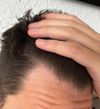
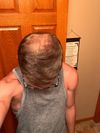
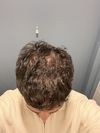
The user is inquiring about alternating daily doses of Minoxidil, taking 5mg one day and 2.5mg the next. They are seeking advice on whether this dosing schedule is acceptable.
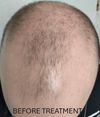
The user shared progress pictures of hair loss treatment using finasteride, minoxidil, and microneedling, expressing hope for recovery after an 8-9 month break. They seek advice on restarting treatment and are optimistic about regaining previous results.
The user showed progress in hair regrowth using topical Minoxidil, oral Finasteride, and derma rolling with tretinoin. They seek advice on achieving Norwood 1 and the number of grafts needed for hairline restoration.
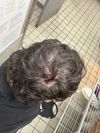
A 20-year-old experiencing crown thinning is using a topical minoxidil/finasteride treatment and is concerned about shedding. Shedding is common and temporary, lasting weeks to months, and it's advised to continue the treatment as results can take up to a year.
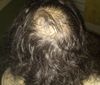
A 26-year-old experiencing crown hair loss after years of neglect due to mental health issues is advised to improve diet, wash hair regularly, and consider using Minoxidil and Finasteride for regrowth.
A 19-year-old using finasteride for hair loss seeks advice on additional treatments. Suggestions include microneedling, minoxidil, and ketoconazole shampoo, with concerns about side effects discussed.
The user is considering switching from topical to oral finasteride due to lack of progress with their current hair loss treatment, which includes topical fin/min, microneedling, Nizoral shampoo, oral minoxidil, biotin, collagen, tretinoin, and hair masks. A suggestion was made to try oral finasteride for potentially better results and to monitor progress over 6-12 months.
The user is experiencing hair loss, possibly due to androgenic alopecia or telogen effluvium, and is considering treatments like Minoxidil, Finasteride, or RU58841. They also mention potential iron deficiency and sleep deprivation as contributing factors.
The conversation discusses hair loss treatments for a woman experiencing androgenetic alopecia and seborrheic dermatitis, with suggestions including low-dose oral minoxidil, dutasteride, and hormone replacement therapy. The user is seeking advice due to intolerance to spironolactone and topical minoxidil, and concerns about low testosterone and DHT levels.
The user is considering switching from a 5% minoxidil and 0.1% finasteride mix to a combination of 5% minoxidil, 0.1% finasteride, 0.01% tretinoin, and 1.5% azelaic acid due to low regrowth success. They are seeking advice on whether to use the new mix at night and continue the old mix in the morning or try oral minoxidil in the morning.
The user has been using finasteride and minoxidil for 5 years with initial success but is now experiencing hair thinning despite increasing dutasteride usage. They are considering adjusting dutasteride frequency and possibly adding treatments like eucapil, minoxidil, and GHK-Cu peptides.
A 16-year-old considering finasteride for hair loss is advised to consult medical professionals due to age-related concerns, as they are currently using minoxidil and ketoconazole. Users suggest waiting until 17 or consulting a dermatologist for a professional opinion, with some recommending topical finasteride as an alternative.
A user is experiencing ongoing hair loss despite using 0.5mg dutasteride and 2.5mg oral minoxidil for several years and is seeking advice. Suggestions include ensuring correct diagnosis, checking for other health issues, considering finasteride, trying topical antiandrogens, and consulting a dermatologist.
A user reported significant hair improvement using oral minoxidil, Rogaine 5%, and spironolactone but experienced worsening PMS. They seek advice on managing the PMS symptoms.
A user is experiencing hair thinning on the sides while wearing a hair system and has had a transplant to correct temple peaks. They are using finasteride, oral minoxidil, and rosemary oil serum, and are considering a corrective transplant to add density and achieve a natural look.
Using Tretinoin with Minoxidil may increase Minoxidil's absorption and improve hair growth results. The user is seeking advice on how to apply both treatments effectively.
The user has been using Minoxidil and Spiro for hair loss treatment but reduced the Minoxidil dosage due to side effects, leading to increased hair loss. They are considering adding the Inkey List caffeine stimulating scalp treatment to their routine and are seeking advice on its safety and effectiveness when used with Minoxidil.
A man in his 50s, who has been on Finasteride for 15 years, is considering adding a custom topical Minoxidil blend to his treatment due to recent hairline recession. He questions whether the custom blend is more effective than generic Minoxidil, expresses concerns about shedding and body hair growth, and seeks advice on application timing with styling products and whether to pursue other treatments like PRP or laser.
User seeks advice for mom's hair loss, considering treatments like spiro, iron/biotin supplements, 2% minoxidil, and Nioxin. Mom has Parkinson's and low estrogen due to hysterectomy, which may contribute to thinning.
User quit minoxidil and finasteride, starting stemoxydine, dermastamp, and dermapen for hair loss. Seeks advice on alternatives, avoiding androgen disruptors and vasodilators/vasoconstrictors.
Microneedling aftercare involves using saline water instead of sea water, and avoiding hyaluronic acid due to its potential pro-inflammatory effects. Users suggest using jojoba oil as a carrier for essential oils like rosemary and lavender, and combining microneedling with minoxidil for better hair regrowth results.
Microneedling for 6 months with minoxidil showed no improvements in hair growth. User seeks advice on other treatments or whether to continue microneedling; current stack includes finasteride, eucapil, and minoxidil with tretinoin.
A user is experiencing anxiety and insecurity about hair loss despite using finasteride for 19 months and oral minoxidil for 6 months. They are seeking advice on whether stress, scalp testosterone, or switching treatments could help, and are considering a buzzcut.
The user experienced worse hair after removing a wig system and has been using Hairband 82 Comfort Flex, Hair Max supplements, dermarolling, and a scalp massager for 4 months without clear results. They are hesitant to use Minoxidil due to shedding concerns and avoid finasteride due to side effects, preferring Saw Palmetto instead.
Oral minoxidil is considered a safe and effective treatment for hair loss at low dosages, with minimal cardiac risks. Users report positive results, though some experience side effects like increased heart rate and skin changes, and consulting a doctor is advised.
A 22-year-old woman is experiencing genetic hair loss and has tried natural remedies like coconut oil and aloe vera without success. She seeks advice on whether to see a dermatologist or use treatments like Minoxidil (Rogaine) despite her parents' skepticism about professional help and chemical treatments.
The conversation is about making a hair loss treatment combining minoxidil with azelaic acid, retinol, and caffeine, similar to the product Xandrox. The user has tried Xandrox but switched to Kirkland minoxidil for cost reasons and is seeking advice on creating a similar mixture.
User experienced side effects from Minoxidil and is switching to Nanoxidil. They are also using Finasteride and seeking advice on preventing hair loss.
A 19-year-old male with diffuse and crown thinning is considering starting minoxidil as advised by a dermatologist but is unsure if he should seek a second opinion. Another user suggests consulting a reputable dermatologist to avoid wasting resources.