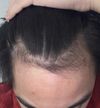
A 17-year-old is experiencing rapid hair loss from NW1.5 to NW3 in six months and feels dermatologists are unhelpful. They are using Minoxidil (Rogaine) and seeking advice on application.
A 19-year-old plans to use an experimental hair loss treatment stack including micro-needling, Minoxidil, Pyrilutamide, Ketoconazole shampoo, and other unreleased compounds like PP405. Users advise against using unverified treatments and suggest sticking to proven options like Finasteride, with some recommending topical application to avoid side effects.
A user experimented with applying pure rosemary oil to a single hair strand twice daily, observing increased thickness and pigmentation, but questioned if the oil or the application method caused the change. Some users noted rosemary oil might be as effective as 2% minoxidil for hair growth, though others warned about potential harm from using undiluted oil.
Switching to a DIY topical finasteride solution using ethanol, glycerin, and distilled water instead of propylene glycol for a gentler application. Users report positive results with both DIY solutions and a low PG minoxidil and finasteride product from India.
RU58841 is discussed as a potential hair loss treatment, with questions about its availability on Amazon and daily application dosage. Minoxidil and finasteride are also mentioned as treatments.
A 35-year-old man is considering adjusting his hair loss treatment, currently using 0.5 mg dutasteride and 5% topical minoxidil, with inconsistent application. He is advised to add oral minoxidil for consistency and possibly increase the dutasteride dosage while continuing Ayurvedic treatments for hair texture.
The user shared progress pictures showing hair improvement over three months using a treatment of 5% minoxidil and 0.1% finasteride solution, along with occasional biotin and multivitamins. Another user discussed their regimen of topical minoxidil, oral minoxidil, finasteride, iron supplements, and dutasteride, seeking advice on application routines.
The user is happy with the results of using 1mg finasteride daily for three years, reporting stopped hair loss and mild regrowth without side effects. They avoid minoxidil due to concerns about application and potential risks, and they use 2% nizoral shampoo weekly.
The user is considering adding liposomal dutasteride to their hair loss treatment, which currently includes topical finasteride and minoxidil. They are exploring different concentrations and application frequencies to enhance hair retention and are also planning to continue using Rogaine.
A user shared their positive experience with hair regrowth using finasteride, minoxidil, dermastamping, and keto shampoo, noting significant improvement in four months without major side effects. They encouraged others to start treatment early and shared tips for application and tracking progress.
PP405 is a potential hair loss treatment that may work by blocking signals that cause hair cells to stop growing, requiring daily application for effectiveness. It could serve as an alternative to minoxidil and finasteride, but it is not yet available on the market and may take several years to be released.
A 22-year-old is using 1mg finasteride daily for hair loss, noting some scalp thickening but still experiencing visible thinning. They are considering oral minoxidil due to concerns about topical application with cats at home, and others in the conversation share positive experiences with oral minoxidil, reporting no side effects and significant hair regrowth.
Cyclosporine A is discussed as a powerful hair growth stimulant, potentially more effective than minoxidil, but concerns about safety and side effects, including cancer risk, limit its use. The conversation highlights the need for further research and experimentation with topical application, despite its risks.
The conversation discusses a user's impressive hair regrowth progress over 17 months using a topical minoxidil and finasteride spray from HIMS, with suggestions to add microneedling for better results. Some users express skepticism about the authenticity of the results, while others inquire about side effects and application methods.
A 49-year-old male has been using finasteride for over two years, experiencing slow but steady hair regrowth without side effects, and is considering a hair transplant. He is hesitant to add minoxidil due to potential side effects and application hassle.
The user is considering starting a topical treatment for hair loss, using a spray containing 0.3% finasteride, 5% minoxidil, and 0.01% tretinoin. They are questioning the dosage and considering reducing the application to achieve 0.15% finasteride and 5% minoxidil.
The user is experiencing white flakes and a greasy look from using a topical solution containing 0.025% finasteride, 8% minoxidil, 0.01% retinoic acid, and 1% hydrocortisone. Suggestions include reducing application frequency, using a brush to clean the scalp, and considering alcohol-free alternatives.
Breezula, a potential new hair loss treatment, may receive FDA approval soon, but it is expected to be a weaker alternative to finasteride and minoxidil. Concerns include its twice-daily application and possible side effects like HPA axis suppression.
The user has been using a combination of 0.3% topical finasteride, minoxidil, ketoconazole, and microneedling once a week for two months with positive results and no side effects. They apply the treatment daily using a spray and have short hair, which makes application easier.
User shared progress on hair regrowth using 1.25 mg finasteride daily, 5% minoxidil, and a 1.5 mm dermaroller twice a week, with no side effects. Users discussed shedding phases, application methods, and the necessity of continuous treatment to maintain results.
A naturally occurring sugar, 2-deoxy-D-ribose, in a hydrogel form, shows promise for hair regrowth similar to minoxidil in rats. The user plans to synthesize it for topical application, seeking input from others.
A user on finasteride for hair loss is considering topical dutasteride to further reduce scalp DHT and is using various other topicals as substitutes for minoxidil due to concerns about the safety of their cats and potential heart side effects from oral minoxidil. They are exploring whether a once-weekly application of topical dutasteride would be effective.
The conversation discusses hair regrowth using 0.1% finasteride, 5% minoxidil, 1% retinoid, weekly microneedling, and red light therapy, with noticeable improvement in a short time. One person is curious about the retinoid application process when used with minoxidil.
The user is experimenting with topical melatonin for hair loss by dissolving melatonin tablets in a solution, but is having trouble with dissolution and is curious about others' methods of application and any effects on energy levels. They mention considering mixing with minoxidil but have not done so, and suggest that melatonin is best used at night.
The conversation discusses whether hair gained from using Pyrilutamide or RU58841 can be maintained with dutasteride if the former treatments are discontinued. The user prefers oral minoxidil for its effectiveness and convenience over topical applications.
The conversation is about a user's hair loss progress and treatment methods. The majority of users suggest shaving the head for better application of treatments like Minoxidil, microneedling, and oils. They also recommend adding finasteride and nizoral shampoo to the regimen.
The conversation discusses positive initial trial results for GT20029, a topical compound for hair loss that degrades androgen receptors, potentially requiring only weekly application. Participants express hope for this treatment to be more effective and convenient than current options like Minoxidil, Finasteride, and RU58841.
The user is experiencing increased hair shedding while using finasteride and RU58841, possibly due to changes in application methods. They are considering adding minoxidil and stemoxydine to their regimen to improve results and manage hair greasiness.
User explores no-finasteride hair loss treatments, considering compounds like Minoxidil, Eucapil, Alfatradiol, Stemoxydeine, Azelaic Acid, Retinol, and Ketoconazole Shampoo. They ask about mixing compounds, application schedules, and potential side effects.
CB 03 01 (Breezula) was tried for hair loss but showed no significant improvement, with issues in dissolving and application. Finasteride and dutasteride remain the most effective treatments, while minoxidil is also used; CB's effectiveness is questioned, and topical alternatives like bicalutamide are considered.