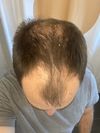
A 39-year-old is starting a hair loss treatment with 1.25mg finasteride and 2.5mg oral minoxidil twice daily, sharing baseline pictures and hoping for significant results. Progress updates will follow.
The conversation discusses treatments for androgenetic alopecia, focusing on evidence-based supplements to complement finasteride. Suggestions include oral minoxidil, saw palmetto, pumpkin seed oil, tocotrienols, and various other supplements, while emphasizing the importance of scientific backing and cautioning against saw palmetto if already using finasteride.
A 29-year-old male is seeking advice on starting hair loss treatment and is considering using Minoxidil, Finasteride, or Dutasteride. He has not yet begun any treatment and is asking for tips based on his photos.
A user is seeking a European supplier for a 3-in-1 hair loss medication containing Minoxidil, Finasteride, and Biotin. Suggestions include using forwarding services and a UK-based provider, with discussions on potential import taxes.
Liposomal carriers for topical finasteride offer better targeting, reduced side effects, and less irritation compared to alcohol-based solutions, but availability and cost may limit their use. Minoxidil can dissolve in liposomal carriers, enhancing delivery and stability.
Haircafe is generally trusted for hair loss information, particularly for his evidence-based approach and recommendations of finasteride, dutasteride, and minoxidil. While some users appreciate his scientific focus and lack of product promotion, others criticize his dismissal of anecdotal evidence and certain biases.
Using hair fibers daily is generally fine, but it's important to choose a quality keratin-based product to avoid scalp irritation. The user combines hair fibers with a regimen of finasteride, minoxidil, microneedling, and ketoconazole.
The conversation discusses hair loss treatments, specifically using minoxidil, finasteride, and dutasteride, and advises patience as results can take up to a year. It also suggests delaying a hair transplant until after a year of medication to establish a stable baseline.
The conversation discusses hair loss treatments with varying dosages of finasteride, oral minoxidil, and microneedling based on the level of hair loss aggressiveness. Specific regimens include 1.25MG finasteride 3-5 times per week, 2.5MG oral minoxidil daily, 0.5-1.5MM microneedling weekly, and 0.5MG dutasteride 1-2 times per week for more aggressive cases.
The conversation is about a user's 26-month hair loss treatment journey using finasteride, minoxidil foam, and microneedling, with gradual improvement in their hairline. The user applied treatments consistently and adjusted the frequency of microneedling based on feedback, noting that progress can feel slow compared to others.
A user's update on their hair loss treatments, which included Minoxidil and finasteride; they are experiencing reduced shedding with minimal side effects. Other users provided additional advice to the poster based on their own experiences.
The user experienced eyebrow hair loss and tried various treatments, including Minoxidil, a Capsaicin-based product, Latanoprost, Bimatoprost, Castor Oil, and Travoprost. Despite initial setbacks and a brutal shedding phase, they eventually saw positive results with Travoprost, encouraging others not to give up on treatments.
A 59-year-old man with significant hair loss has seen some improvement, including reversal of Retrograde Alopecia and darkening of hair, after switching to RU58841 and a new minoxidilbase solution with additional ingredients. He also changed from a derma roller to a derma stamp for application.
The conversation provides scientific sources on hair loss treatments like finasteride, minoxidil, and others, aiming to help individuals make informed decisions about their treatment options. It also discusses phytochemicals as alternative treatments due to concerns about side effects from drug-based therapies.
A user allergic to propylene glycol seeks alternatives for a DIY topical finasteride solution, considering glycerin or glycerol-based vehicles. Another user suggests a recipe using propanediol, DMSO, MCT oil, and peppermint oil, incorporating minoxidil, dutasteride, and finasteride.
The conversation discusses creating a DIY topical finasteride solution for someone allergic to propylene glycol, with suggestions to use glycerin or a glycerol-based vehicle instead. The user also mentions using foam minoxidil.
The conversation discusses whether using 0.1% topical finasteride alongside 0.5 mg oral finasteride is excessive, with suggestions to choose either oral or topical treatment. The user also uses 5% minoxidil and mentions concerns about alcohol-based solutions due to seborrheic dermatitis.
A user created a web app called TrichoMetrics to track hair loss using photos and metrics like density and thinning. The app supports tracking treatments like Minoxidil and finasteride, with features for setting baselines, comparing progress, and logging treatment adherence.
The user is experiencing hair loss and is seeking a topical product without alcohol that doesn't irritate the scalp or make hair brittle. They have previously used minoxidil and finasteride but had negative experiences, and are considering a gel-based product recommended by another user.
Finasteride may cause hair shedding as part of the regrowth process, but there are no controlled trials confirming this. The shedding idea is mostly based on anecdotal reports and comparisons to how minoxidil works.
The user experienced significant hair regrowth using finasteride 1mg daily, minoxidil 5% twice a day, and microneedling 3-4 times a week. They reported no side effects from finasteride and are pleased with the results, feeling more confident and maintaining a new hair baseline.
The user shared progress pictures after using topical dutasteride for 4 months, experiencing heavy shedding at month 2, which returned to baseline 1.5 months ago. Previous treatments with topical and oral finasteride and minoxidil were ineffective or caused side effects, and the user is hopeful about the shedding phase indicating potential effectiveness of topical dutasteride.
The conversation discusses microneedling for hair loss, focusing on optimal needle depth and frequency. Users report varying practices, with some using Minoxidil after microneedling and others suggesting different depths and frequencies based on personal tolerance.
The conversation discusses the use of trichoscopy to predict hair loss patterns and inform treatment approaches. Treatments mentioned include minoxidil, finasteride, and dutasteride, with varying effectiveness based on gender-specific hair loss patterns.
A user is experimenting with applying undiluted peppermint oil to their scalp daily to stimulate hair growth, based on a rat study where peppermint oil outperformed minoxidil. The user reports immediate hair thickening and increased scalp blood flow, while others in the conversation express skepticism, humor, and concern about the undiluted application.
A 27 year old user's progress in treating their hair loss with 1mg of finasteride daily, 2x topical minoxidil daily, micro needling and occasional rosemary oil scalp massage; other users have encouraged the poster based on their results and offered advice for further treatments.
Castor oil may help hair growth by targeting specific receptors and reducing certain scalp levels, with some users reporting thicker hair. Peppermint oil is suggested as an alternative to minoxidil, while opinions on the effectiveness of plant-based treatments for hair loss vary.
A 21 year-old feeling depressed about hair loss and how to cope with it, discussing various treatments such as finasteride, minoxidil, dutasteride, hair pieces, and scalp micropigmentation. There is also discussion of accepting oneself and redefining self-worth in order to not base one's entire identity on their hair.
Regrowth is more likely if hair follicles are still alive, regardless of age, but younger individuals often see better results due to early intervention. Treatments like finasteride, minoxidil, and dermarolling can help, but results vary based on individual factors such as the presence of miniaturized hairs and the speed of treatment initiation.
Some users choose finasteride over dutasteride due to fewer side effects and cost, while others find dutasteride more effective despite its side effects. Many combine treatments like minoxidil, finasteride, and dutasteride, adjusting based on personal experiences and side effects.