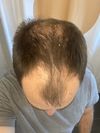
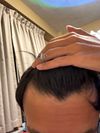
A 39-year-old is starting a hair loss treatment with 1.25mg finasteride and 2.5mg oral minoxidil twice daily, sharing baseline pictures and hoping for significant results. Progress updates will follow.
The user had a hair transplant and uses oral minoxidil, a red laser therapy helmet, fish oil, collagen, and sardines for hair thinning but avoids finasteride due to side effect concerns. Many suggest these methods may not be effective long-term without a DHT blocker.
A 42-year-old man achieved significant hair regrowth in seven months using oral minoxidil, oral dutasteride, topical minoxidil, microneedling, and supplements. He experienced minimal side effects and noted dramatic improvements in hair thickness and health.
Finasteride is preferred for its shorter half-life and FDA approval, while dutasteride is seen as more effective but not FDA-approved for hair loss. Many combine these with minoxidil for improved results, though side effects and effectiveness vary.
The conversation discusses hair loss treatments, specifically using 5% minoxidil foam, Vitamin B12, and Vitamin D, with suggestions to add oral finasteride and minoxidil for better results. Concerns about side effects, particularly from finasteride, and the need for a DHT blocker are also highlighted.
The user experienced noticeable hair density improvement after two months on 1.25mg oral finasteride, taken six times a week, without using minoxidil. The user reported no side effects and plans to consider minoxidil in the future.
An 18-year-old is concerned that finasteride hasn't stopped his hair loss after several months. Suggestions include giving it more time, combining it with minoxidil, and consulting a dermatologist.
Individuals discussing hair loss treatments, including finasteride and minoxidil, express mixed results and concerns about effectiveness after two years. Some consider switching to dutasteride or exploring other options like hair transplants.
The user is considering a hair transplant at 25 after experiencing hair loss despite using finasteride, minoxidil, and recently starting dutasteride. They are advised to continue DHT blockers post-transplant to prevent further hair loss and are considered an ideal candidate for a transplant.
A user shared their successful hair regrowth journey using oral minoxidil, dutasteride, and eucapil, with additional benefits from MTF hormone replacement therapy. They advised consulting specialists and considering individual responses to treatments.
The user has been dealing with hair loss for six years using minoxidil, finasteride, and dutasteride without success. They are contemplating shaving their head due to continued hair loss and social anxiety.
The user experienced significant hair regrowth after six months of using oral Finasteride (1mg) and Minoxidil (2.5mg) nightly, with no side effects. They also used dermastamping and biotin, emphasizing consistency and a healthy lifestyle.
A 21-year-old woman with female pattern baldness has tried minoxidil, red light therapy, and supplements without success. She is considering spironolactone and seeking medical advice.
A 20-year-old is experiencing hair loss and has tried oral and topical minoxidil, finasteride, and is considering dutasteride and a hair transplant. They feel frustrated and hopeless due to the lack of results and its effect on their mental health.
The conversation discusses hair regrowth progress using finasteride, minoxidil, dutasteride, ketoconazole, microneedling, and multivitamins. The user shares their journey and receives advice on haircuts and additional treatments like PRP and RU58841.
The user experienced increased hair miniaturization and shedding despite using finasteride, topical minoxidil, microneedling, and other treatments. They are considering more aggressive treatments or a hair system if no improvement occurs by the end of 2025.
A 21-year-old has been using finasteride for 11 months and minoxidil for 4 months to combat hair loss, experiencing significant improvement and regrowth. The user applies 1mg of finasteride daily and 5% topical minoxidil twice a day, noting that both treatments have contributed to the progress.
The user has been using finasteride since late 2021 and added oral minoxidil in mid-2024, considering adding dutasteride for better results. Users discuss the effectiveness and side effects of these treatments, with some recommending ketoconazole shampoo for redness.
RU58841 is considered effective by some users, but finasteride and minoxidil are commonly used with varying dosages to manage side effects. Users report different experiences with treatments like pyrilutamide, fluridil, and RU58841, with some seeing results and others not.
The user experienced significant hair regrowth over 8 weeks using oral Minoxidil and Dutasteride, noting healthier and denser hair. They reported no side effects and emphasized the importance of staying consistent with the treatment despite initial shedding.
Men wearing wigs should be normalized as it is for women. Treatments like Minoxidil and finasteride are mentioned, but societal norms need to change to accept wigs for men.
User had a hair transplant and used a finasteride and minoxidil spray for 6 months with no results. After adding finasteride tablets for 1 month, they saw significant hair growth improvement.
User shared a 3-month progress update on hair loss treatment using finasteride and minoxidil. They experienced initial shedding, thicker hair growth, and facial breakouts likely due to hormone changes.
A user shared their success with oral finasteride and topical minoxidil for hair loss, recommending these treatments to others. They emphasized the importance of informing others about effective treatments rather than relying on supplements.
Hair loss treatments are difficult because hair follicles react differently to hormones and have varying growth cycles. Treatments mentioned include Minoxidil, finasteride, and RU58841.
A user shared one-year progress using finasteride and minoxidil for hair loss at age 42. Suggestions included adding dermastamping, microneedling, and considering a hair transplant for further improvement.
The user reports that after 4 months of microneedling, 10 months of Minoxidil, 2 years of finasteride, and using ketoconazole 3 times a week, their hair has become less dense in the treated areas. Despite initial shedding and continued treatment, they have not seen improvement and feel their body is resistant to the medications.
A user has been using dutasteride and oral minoxidil for hair loss with no change and is considering a hair transplant at age 22. Replies suggest that a transplant is possible if DHT blockers like finasteride are continued, and another user shared a positive personal experience with a transplant at age 20.
The user has been using finasteride for 1.5 years and minoxidil for almost 3 years for hair loss, and has seen some maintenance of hair but not significant regrowth. Suggestions from others include switching to dutasteride, trying oral minoxidil, and considering microneedling or hair fibers for better appearance.