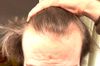
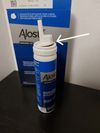
Switching from topical to oral minoxidil, specifically using split dosing, led to significant hair regrowth and reduced side effects for the user. The combination of oral minoxidil and finasteride proved more effective than previous topical treatments.
Tretinoin remains stable when mixed with minoxidil for months, and its effectiveness is not reduced or disturbed at the molecular level. The discussion focuses on the compatibility of tretinoin with minoxidil in hair loss treatment.
The new Kirkland Minoxidil appears different, being more oily and lacking crystallization, leading to confusion about its authenticity. Users suggest ordering directly from Costco to ensure getting the genuine product.
The user applies 2ml of a lotion containing 5% minoxidil, 0.3% finasteride, hydrocortisone butyrate, and cetirizine before bed, but it leaves a residue on the scalp. Another user suggests reducing the amount to 1ml, as 2ml results in a high finasteride dosage.
Oral minoxidil may cause heart palpitations, especially in those sensitive to caffeine. It's advised to consult a doctor and consider starting at a low dose or using topical minoxidil.
Switching from topical to oral minoxidil can cause initial hair shedding but may lead to thicker hair growth. Many users combine it with finasteride, experiencing varying side effects.
A user is considering switching from a 5% minoxidil spray to a minoxidil cream, hoping it will be easier to apply and less greasy. They are seeking feedback on the cream's effectiveness and suitability for sensitive scalps.
The conversation is about a user considering switching to a 4 in 1 spray containing Minoxidil, Caffeine, Melatonin, and Tretinoin for hair loss after using a finasteride and minoxidil spray. The user recently switched to oral finasteride and is contemplating whether to continue using the remaining finasteride and minoxidil spray.
Oral minoxidil shows varying results for hair regrowth, with some users seeing improvements within weeks to months, while others see minimal or no gains. Combining treatments like finasteride or Tretinoin may enhance results, but outcomes differ widely.
Minoxidil and dermarolling can yield positive hair growth results, but long-term effectiveness varies, and some users experience hair loss again without additional treatments like finasteride. Microneedling enhances minoxidil's effectiveness by increasing enzyme activity, but individual experiences differ.
Oral minoxidil is effective for hair loss but may cause side effects like increased heart rate and edema. Finasteride is recommended, with dutasteride as an alternative if needed.
The user has been using 1 mg finasteride for three months and recently started using 5% minoxidil once daily, resulting in new vellus hair growth. The user is hopeful that minoxidil will positively impact terminal hairs and is considering adding a derma stamp to the routine.
OP is asking how to mix 3g of RU58841 with a bottle of minoxidil but doesn't know the bottle's volume. Users suggest the bottle is 60 ml and to mix it directly.
The conversation discusses hair loss treatments without using Minoxidil, Finasteride, or Dutasteride, focusing on addressing hormonal issues and low ferritin levels. Suggestions include consulting a hematologist, checking for vitamin D deficiency, thyroid issues, anemia, and considering serums with copper peptides.
A 26-year-old male is using oral minoxidil and finasteride to treat hair loss, experiencing prolonged shedding despite 6 months of treatment. Others share similar experiences, suggesting persistence with the treatment may eventually lead to improvement.
Minoxidil is discussed as a hair loss treatment, with concerns about potential eye issues. Some users express skepticism about these claims, while others emphasize the long-standing use of Minoxidil.
The user is using RU58841, Minoxidil, and weekly microneedling for hair loss, having stopped finasteride due to side effects like low libido and depression. They are considering dutasteride as an alternative but are cautious due to past experiences with DHT blockers.
Minoxidil alone is often insufficient for significant hair regrowth, with many users experiencing limited results or side effects, leading them to add finasteride or dutasteride for better outcomes. Some users report initial improvements with minoxidil but eventually require additional treatments to maintain or enhance hair growth.
The user has been using topical minoxidil with tretinoin for 9 months without much regrowth and suspects finasteride is responsible for any improvement. They are inquiring about tests to determine response to topical minoxidil and seeking advice on switching to oral minoxidil, including potential side effects and monitoring requirements.
The user had a hair transplant five years ago and started using minoxidil three months ago. Commenters recommend adding finasteride or other DHT blockers to prevent further hair loss and maintain results.
Stevia microneedles increased minoxidil absorption and hair growth in mice. The conversation humorously questions the applicability of these results to humans.
The conversation is about using minoxidil for diffuse thinning after finasteride showed no regrowth. Tips include applying minoxidil directly to the scalp, considering potential shedding, and being cautious with combining tretinoin due to possible irritation.
The conversation is about managing dandruff caused by using Kirkland minoxidil, with suggestions including using Kelual DS, Nizoral, and exfoliating with oils. Some users also recommend oral minoxidil and finasteride for better results and convenience.
A user shared their hair loss experience and treatment routine, which includes using Minoxidil (5% Rogaine foam) and Dutasteride 0.5, along with various supplements and natural oils. They reported positive results and emphasized the importance of liver health and thyroid function, despite skepticism from others about the effectiveness of supplements.
Minoxidil is toxic to cats, so users should wash hands after application and ensure it dries before pets are near. Some switch to oral minoxidil to avoid risks, while others use topical forms cautiously.
Minoxidil is often applied once or twice daily for hair growth, but many find it inconvenient and switch to once daily or oral minoxidil for ease. Some users combine it with finasteride for better results, despite potential side effects.
A 19-year-old is considering switching from topical to oral minoxidil to combat hair loss, despite concerns about increased body hair. They are currently using minoxidil, ketoconazole shampoo, and dutasteride, and are willing to accept the trade-off of more body hair for better scalp hair growth.
The conversation discusses using foam minoxidil with tretinoin cream for hair loss, with users sharing experiences on tretinoin strengths of 0.025% and 0.05%. Some users report irritation with higher tretinoin concentrations and note that foam minoxidil may be less effective than liquid.
A 24-year-old reported new hair growth on temples after 3.5 months of using topical minoxidil without shedding. They plan to add finasteride to maintain progress, as minoxidil alone may not be enough long-term.