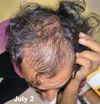
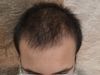
User shared their four-month hair regrowth journey using minoxidil twice daily and low-dose finasteride. They reported noticeable improvement, mild scalp itchiness, and advised caution with hair bleaching.
A 30-year-old male with androgenic alopecia started using topical Minoxidil in 2018, Finasteride in 2020, and switched to oral Minoxidil and Dutasteride after Finasteride stopped working. He underwent hair transplants in 2022 and 2025, showing significant improvement in recent photos.
A user shared their 5-year experience using minoxidil and finasteride, noting significant hair improvements without side effects. Consistency, a positive mindset, and lifestyle changes like a healthier diet and better sleep were key to their success.
The user took dutasteride 0.5mg 3-4 times a week and 5mg oral minoxidil daily, with a 3-month break at the 4-month mark, and emphasized not stopping minoxidil for better progress. They experienced good hair regrowth with no side effects after reducing dutasteride frequency.
The user started a hair loss treatment two months ago using oral minoxidil, dutasteride, finasteride, and biotin. They experience some side effects like ED but are willing to continue for hair growth.
The user shared their hair loss journey, using Minoxidil 2%, Serenoa repens, topical finasteride, a topical antiandrogen, Vitamin D, and lifestyle changes, noting improvements but still seeking more density. They are considering switching to Minoxidil 5% but prefer focusing on finasteride and antiandrogen for better results.
The user applied minoxidil and finasteride topically for hair regrowth, experiencing significant results but stopped finasteride due to side effects. They later added stevia to minoxidil, noticing potential improvement in hair density, particularly at the front.
An 18-year-old male has been using finasteride for 11 months, minoxidil since September, dutasteride weekly, chelated iron supplements, and derma rolling, but his hair loss has worsened. He switched finasteride brands from Finalo and Finbald, and is concerned about decreased hair density.
A user shared their progress using a compound of oral Minoxidil, Dutasteride, and Biotin for hair loss over almost five months. They did not use ketoconazole shampoo.
A 43-year-old shared an 8-month hair regrowth journey using oral minoxidil, dutasteride, topical minoxidil, ketoconazole shampoo, and lifestyle changes. Commenters noted he looked good both with hair and bald.
A man used finasteride, minoxidil, and a derma pen for a year to improve hair growth with no significant side effects. He plans to continue the treatment and explore new options.
A user shared their hair loss journey, starting with Finasteride and Minoxidil in 2019, switching to Dutasteride in 2024, and adding topical Minoxidil and Tretinoin. They experienced slight temple thinning, which improved with Dutasteride, and reported no significant side effects except for thicker eyebrows and hair color change.
The user shared their 21-month hair loss treatment journey using oral finasteride, minoxidil, microneedling, and ketoconazole shampoo, noting visible improvement by months 3-4 and reduced shedding after month 20. They experienced no side effects and emphasized this is based on personal experience, not medical advice.
The user began experiencing hair loss at 14 and is now starting treatment at 18 with a topical solution of 10% minoxidil-finasteride and ketoconazole shampoo. Oral finasteride was not recommended due to potential effects on growth, and microneedling will be considered after four months.
Consult a doctor before starting treatments like minoxidil and finasteride, as underlying issues like vitamin D deficiency can affect hair loss. While some believe androgenic alopecia is the most common cause, addressing all potential causes can lead to better results.
Significant hair regrowth was achieved over six months using minoxidil, finasteride, microneedling, biotin and collagen shampoo, and MSM powder. The user feels more confident and may consider a hair transplant if necessary.
A user shared their 12-month hair loss treatment progress using Minoxidil, Finasteride, Nioxin shampoo, scalp massages, and tea tree oil. They report a 40% improvement and satisfaction with the results.
A 28-year-old used oral finasteride and minoxidil, and underwent two hair transplants in Turkey, with a total of 3150 grafts, resulting in a natural-looking hairline. The first procedure cost £3300, and the second was a free touch-up, with additional costs for flights and accommodation.
A user shared their hair loss journey, starting at age 18 and leading to depression and insecurity. They found improvement with finasteride and minoxidil after two years, and also recommended products like Mielle Rosemary Mint Growth Oil, Mielle Organics Rosemary Mint Strengthening Hair Masque, Kevin Murphy Hair Resort Spray, Brooklinen Silk Pillowcases, and It's a 10 Keratin Leave in Conditioner for maintaining hair quality.
The user improved their hair density and reduced scalp visibility by using 1% ketoconazole shampoo, 1mg finasteride, and 5% minoxidil, which increased their confidence. Replies discuss the effects of these treatments, with one clarifying that minoxidil does not affect hormones but finasteride does.
A user shared their successful hair loss journey using finasteride for five years and minoxidil for two years, which stabilized and improved their hair condition. They experienced some shedding with minoxidil but found the routine manageable and are open to future treatments like dutasteride if needed.
Finasteride, Minoxidil, Nizoral, and Dermarolling successfully regrew the user's hair over 18 months. The regimen included daily Finasteride, Minoxidil, vitamins, and weekly dermarolling.
A 35-year-old transitioning female (MtF) shared her hair regrowth journey using Minoxidil, Dutasteride, Microneedling, and Exosomes, starting from a bald state. Commenters discussed the impressive results, skin care routine, and the effects of estrogen on hair and skin.
The user shared their 5-year hair regrowth journey using oral finasteride, oral dutasteride, topical and oral minoxidil, and a hair transplant. They experienced significant hair improvement without major side effects, although RU58841 was not effective for them.
A 25-year-old shared their 9-month hair regrowth journey using oral minoxidil, finasteride, a topical hair serum, microneedling, and ketoconazole shampoo. They experienced significant improvement in hair density and health, emphasizing the importance of consistency in treatment.
A user shares their hair regrowth journey using finasteride and minoxidil, highlighting lifestyle changes to enhance results. Another user reports negative side effects from finasteride and plans to try ketoconazole shampoo and natural oils.
The user shared their experience with various hair loss treatments, including Kirkland Minoxidil Foam, Happy Head Topical Fin and Min, Locklab, Ro Mane Spray, and plans to try Happy Head 10 in 1 serum. They found Happy Head Fin and Min effective for crown regrowth but are considering switching to Ro Mane or the new Happy Head serum for less greasiness and staining.
The conversation is about a user's hair restoration journey using topical finasteride/minoxidil, switching to dutasteride due to shedding, and experiencing regrowth. The user reports no side effects from dutasteride and applies it topically twice daily.
The user is using finasteride, topical minoxidil, derma rolling, ketoconazole shampoo, and multivitamins for hair regrowth. They also drink topical minoxidil due to the unavailability of oral minoxidil, despite concerns from others about safety.