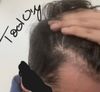
The user regrets stopping finasteride and minoxidil due to increased hair loss. They have resumed these treatments and are considering a hair transplant.
The user shared progress pictures after using 5% topical minoxidil for two years and 1mg finasteride for one year, but many commenters believe the hair looks the same, attributing changes to different haircuts rather than actual regrowth. The user reported no side effects from finasteride, and opinions varied on whether any significant hairline improvement occurred.
A 28-year-old male, who has been using minoxidil for 7 years, is concerned about hair miniaturization and is considering adding pyrilutamide, alfatradiol, and nizoral to his regimen after experiencing side effects from finasteride. Despite concerns, others reassure him that his hairline appears normal for his age, and he is likely around a Norwood 1.5.
The user has been using finasteride since November 2024, topical minoxidil since January 2025, and oral minoxidil since December 2025, with some experimentation with microneedling and RU58841. Despite initial progress, the user experienced accelerated hairline recession and loss of density in recent months.
Switching from topical to oral minoxidil caused prolonged hair shedding without regrowth, leading to the use of both topical and oral minoxidil with oral finasteride. Responses to these treatments vary, emphasizing the need for personalized approaches.
An 18-year-old male is experiencing hair loss and is using topical minoxidil and oral finasteride. He is concerned about continued shedding, mild sexual side effects, and whether to adjust his finasteride dosage.
The user experienced significant hair regrowth and increased confidence after using 0.5mg finasteride daily and 5% minoxidil once daily for five months, with no side effects reported. Other users shared similar experiences, discussing libido changes and considering testosterone replacement therapy (TRT).
The user experienced positive hair regrowth using 5% topical minoxidil daily and 1mg finasteride daily but had to stop finasteride due to side effects like depression, anxiety, and gynecomastia. They are considering alternatives like topical finasteride or dutasteride and are currently using only topical minoxidil.
A 23-year-old male shared his 5.5-month progress using 5% topical minoxidil foam for hair regrowth, considering adding finasteride despite concerns about side effects. Users advised starting finasteride to maintain gains, with some suggesting topical options to minimize side effects.
The user experienced significant hair regrowth after three months of using topical minoxidil 5% and 1mg oral finasteride, along with addressing vitamin D and iron deficiencies. Some users expressed skepticism about the rapid results, while others congratulated the user on their progress.
The user shared impressive hair regrowth results after one year of using dutasteride 0.5 mg, oral minoxidil 2.5 mg, and weekly dermastamping. They experienced no negative side effects and plan to stop using topical minoxidil soon.
The user added topical minoxidil to their finasteride regimen, resulting in healthier hair and some regrowth, especially after quitting nicotine. They experienced minimal shedding and noted improvements in hairline density, finding the treatment mostly preventative.
After 6 months of adding topical finasteride to minoxidil, the user saw significant hair improvement, with noticeable results starting from the 5th month. The treatment included 5% minoxidil, 0.5 mg topical finasteride, and supplements like omega-3, minerals, and vitamins, with minimal side effects reported.
A 22-year-old user experienced positive hair regrowth after 11 weeks using a spray containing 0.3% finasteride, 7% minoxidil, 2.2% ketoconazole, and 0.2% biotin. They reported initial side effects like scalp tingling and brief testicular pain, which subsided, and are considering switching to finasteride pills and a different minoxidil brand for cost reasons.
The user has been using Dutasteride and topical Minoxidil for hair loss, considering switching to oral Minoxidil and increasing Dutasteride dosage. They are seeking advice on whether to change their current regimen or continue, with some users suggesting oral Minoxidil and others cautioning about potential side effects.
A 25-year-old male shared his 3-month progress using oral minoxidil, finasteride, and biotin for hair growth, reporting positive results and minimal side effects, such as slightly reduced libido. He plans to continue treatment and possibly add microneedling, with hopes of further improvement and potential hair transplant if needed.
The user reported noticeable improvement in hair density after one year using topical 0.1% finasteride and 5% minoxidil once daily. Suggestions included considering hair transplant, microneedling, and possibly switching to oral treatments for better results.
A 32-year-old shares 2-month progress using oral finasteride, topical minoxidil, and weekly derma stamping for hair loss, noting early improvements and no side effects. Encouragement is given for continued progress.
KX-826 combined with minoxidil significantly increases hair growth compared to minoxidil alone for treating male androgenetic alopecia, with no unexpected safety concerns. Users discuss various hair loss treatments, including KX-826, minoxidil, finasteride, and RU58841, sharing personal experiences and sourcing information.
The user experienced significant hair regrowth using 1mg Finasteride daily, 5mg Minoxidil twice daily, and microneedling since April 2025. They also supplement with zinc, biotin, vitamin D, omega-3, and creatine, and use Alpecin Caffeine Shampoo.
Low-dose oral minoxidil is a safe and effective hair loss treatment with fewer side effects than previously feared. Users often prefer it over topical minoxidil for better results, though some experience side effects like increased body hair and cardiovascular issues.
Using 1mg Finasteride and 5% Minoxidil for a year led to significant hair regrowth, despite initial side effects like decreased sex drive, which improved with exercise. Consistency in treatment was highlighted as crucial for success.
People are humorously discussing unconventional and extreme methods of using hair loss treatments like finasteride and minoxidil, including vaping, snorting, and injecting. The conversation is filled with jokes and sarcasm about these methods.
The user reported positive hair regrowth after 5 months using Minoxidil, red light therapy, and lifestyle changes, including dietary improvements and stress reduction. They chose natural supplements like saw palmetto and beta-sitosterol over pharmaceutical DHT inhibitors like finasteride.
The user experienced significant hair regrowth using oral minoxidil, finasteride, and topical dutasteride, with no side effects. They plan to continue these treatments long-term to maintain results.
The user experienced significant hair improvement using topical Minoxidil and oral Finasteride, despite an initial shedding phase. They prefer oral Finasteride for convenience and are considering oral Minoxidil, while others in the conversation discuss potential side effects and personal experiences with these treatments.
The user experienced significant hair regrowth using oral Minoxidil (5mg daily) for 18 months and Finasteride (1mg daily) for 5 months, with minimal side effects. The combination stopped hair loss and improved hair thickness, although a hair transplant is still considered for a receded hairline.
A 26-year-old male shared results after using Minoxidil twice daily and dermarolling weekly for two months, seeking advice on additional treatments for better hair growth. Another user discussed their experience with finasteride and considered trying dutasteride due to concerns about hair shedding and lack of regrowth.
The user experienced significant hair growth after using minoxidil 5% and finasteride 1.25mg daily for three months, despite initial shedding. They noted improved hair density, especially at the temples, and plan to manage excess hair growth on the forehead.