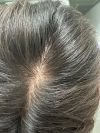
Minoxidil and finasteride have not improved the user's hairline after a year. Suggestions include trying dutasteride, microneedling, or considering a hair transplant for better results.
The user is experiencing aggressive hair loss and is using minoxidil, microneedling, biotin, and vitamin D. They are considering finasteride or dutasteride and plan to consult a dermatologist for the best treatment.
An 18-year-old male is considering stopping minoxidil on the crown while continuing finasteride due to increased shedding and concerns about thinning. He seeks advice on safely switching to using minoxidil only on the hairline without risking permanent crown thinning.
A user is seeking advice on hair loss treatment and has been prescribed finasteride. They currently use minoxidil, rosemary oil, and castor oil, and are considering adding dermarolling. Respondents suggest daily use of minoxidil and finasteride, with some recommending additional treatments like ketoconazole shampoo, dermapen, dutasteride, and vitamins.
Finasteride and minoxidil help maintain hair and slightly improve hairlines but are less effective at regrowing hair in bald areas, often needing a hair transplant for full restoration. Many users report no side effects and wish they had started treatment earlier.
Switching from topical finasteride to oral Dutasteride and using Fluridil caused persistent testicular discomfort. The discomfort did not subside after stopping Fluridil, raising concerns about Dutasteride's role.
Stopping Minoxidil caused significant hair loss, which was mostly regained after resuming 1mg Finasteride and 3mg oral Minoxidil. Consistent use of both treatments is essential for maintaining hair growth.
The conversation discusses a 6-month hair loss treatment update using 1mg finasteride and 5% minoxidil daily. Some users apply minoxidil once or twice a day, and there's no mention of using a dermaroller or dermastamp in the treatment.
The conversation is about someone who initially had positive results with Minoxidil for hair loss, lost those gains due to a hospital stay, and is now not seeing the same results upon resuming treatment. They plan to add microneedling and/or tretinoin to their regimen and are seeking success stories from others who did not respond to Minoxidil alone.
Minoxidil sulfate is considered for those unresponsive to regular minoxidil, with some trying a 10% formulation from Folligenz. Concerns exist about the product's stability and transparency, but some users report positive initial results.
The conversation discusses the use of microneedling for hair loss, with concerns about potential long-term effects like fibrosis and scarring. Users share experiences and opinions on combining microneedling with treatments like minoxidil and finasteride, but there is uncertainty about the long-term safety and efficacy.
The user experienced significant hair regrowth using minoxidil, finasteride, and Nizoral shampoo, with initial shedding but eventual improvement. They plan to continue the treatment after regaining lost progress from stopping minoxidil.
Oral minoxidil is generally effective for hair loss but may cause side effects like heart palpitations and facial puffiness. Users highlight the importance of monitoring blood pressure due to potential cardiovascular risks.
User shared hair growth progress since January using treatments like minoxidil, nizoral shampoo, rosemary oil, biotin oil, and derma roller. Others suggested solutions for minoxidil side effects and recommended adding a multivitamin.
A user's successful 4-month hair growth progress using Hims spray with 6% Minoxidil, 0.3% Finasteride, and a .25mm dermaroller twice a week. The user applies the spray once a day and has not experienced any side effects.
The user saw hair improvement with minoxidil, finasteride, and a red light cap, noting better results after adding finasteride and stressing routine consistency.
The post discusses using a topical tincture containing zinc, azelaic acid, and other ingredients to inhibit 5 alpha-reductase activity for treating hair loss. The user plans to try this natural alternative before using finasteride or RU58841.
User shared progress pictures from May 10th to July 26th, using finasteride, minoxidil, and Nizoral for hair loss. The treatments appear to be effective.
User experienced scalp itching and hair loss, but found relief with oral minoxidil. Others suggest "DHT itch" as a possible cause and recommend finasteride and ketoconazole to address it.
Kirkland Minoxidil from Amazon may be fake, and it's safer to buy directly from Costco. Users suggest alternatives like Walmart's Equate or buying from Costco's website.
A user stopped using minoxidil due to severe side effects and experienced rapid hair loss. They also tried finasteride and dutasteride but faced adverse reactions, leading them to consider accepting hair loss and exploring options like oral minoxidil or a hair transplant.
The user is frustrated with hair loss treatments like finasteride, minoxidil, dutasteride, and oral minoxidil, which have been ineffective and caused scalp itching. They are skeptical about these treatments' effectiveness and consider alternative options like ketoconazole shampoo and RU58841.
A 20-year-old experiencing hair loss uses minoxidil, Nizoral shampoo, vitamin D, and biotin. They are considering finasteride or dutasteride and are advised to consult a doctor for diagnosis and possible oral treatments.
A 17-year-old improved his hairline using minoxidil and derma stamping, planning to start finasteride at 18. He received advice on dosing and potential side effects to maintain results.
A user shared their success with minoxidil for hair loss, using 5% liquid Kirkland twice daily and dermarolling monthly, and plans to add finasteride. They saw significant progress after three months and regained confidence.
A 28-year-old male, previously on dutasteride for hair loss, is considering oral minoxidil or a compounded treatment of minoxidil, finasteride, and tretinoin after noticing hairline recession. The dermatologist suggested oral minoxidil and mentioned a compounded option, but the user is unsure about its benefits compared to current treatments.
The conversation discusses an extensive hair loss treatment regimen including dutasteride, GT20029, RU58841, pyrilutamide, minoxidil, microneedling, ketoconazole shampoo, and experimental compounds. The user humorously describes their approach as a comprehensive strategy to combat hair loss while maintaining hair growth.
The user has been using minoxidil for 2 months and finasteride for 1 month, applying minoxidil once nightly due to routine constraints. They switched to a shampoo with menthol, caffeine, and saw palmetto, and reported no side effects.
A user shared their experience using Minoxidil for 5 months and finasteride for 3 weeks, with inconsistent microneedling. Another user advised waiting at least 6 months to see results.
3 months of progress with Finasteride and Minoxidil treatment for hair loss, as well as Nutrafol vitamins and low-level light therapy. The user experienced no problems and had a satisfied girlfriend to boot!