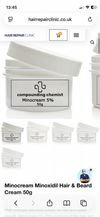
Adding retinol to a hair loss routine, with a user suggesting starting with a lower dose. Another user mentions using tretinoin with minoxidil for potential benefits.
A new hair growth spray in the UK contains finasteride 0.3%, minoxidil 5%, and tretinoin 0.01%, but some users find the finasteride concentration too high. Another brand offers a similar spray with a lower finasteride dose at a cheaper price, and some users report scalp irritation from the new spray.
The user noticed a significant improvement in hair loss after 3.5 months using a topical treatment of 7% Minoxidil, 0.1% Finasteride, and 0.025% Tretinoin, which was prescribed and shipped from a pharmacy in Indiana. Other users discussed alternative products with varying concentrations of Minoxidil and Finasteride.
The user has been using minoxidil for 9 months and finasteride for 3 months to address hair thinning, noticing some new miniature hairs but uncertain about significant regrowth. Opinions vary, with some suggesting the hair looks darker and stabilized, while others recommend additional treatments like oral minoxidil, microneedling, or tretinoin.
The user shared progress pictures showing hair improvement after using 5% topical minoxidil for two years and 1mg finasteride for one year. The user also used tretinoin and trifarotene as part of their routine.
The conversation is about obtaining topical tretinoin in Canada for hair loss treatment. Tretinoin is discussed for its ability to increase the absorption of minoxidil.
The user noticed tiny black hairs after using 5% topical minoxidil for 1.5 months and is unsure if it's due to the treatment. Another user suggests continuing minoxidil for at least 6 months and mentions that combining it with tretinoin and finasteride may improve results.
The conversation discusses the effectiveness of topical tretinoin as a monotherapy for hair loss, with users suggesting it may not be as effective as minoxidil or finasteride. The original poster is considering other options like a phenol peel and is concerned about the risks of derma rolling.
The user is experiencing increased hair shedding and is considering switching from a topical solution containing minoxidil, finasteride, and tretinoin to oral minoxidil while continuing oral dutasteride. They are seeking advice on whether to make this switch or wait for the shedding to stabilize, and are concerned about potential side effects of oral minoxidil.
A 17-year-old has been using minoxidil, microneedling, and finasteride for hair loss, with added tretinoin for better absorption. They are seeking opinions on their progress and the use of finasteride as a teenager.
The conversation discusses alternative hair growth treatments to minoxidil, including Stemoxydine, Tretinoin, adenosine, Baicalin, castor oil, Latanoprost/bimatoprost, and Redensyl. Users share their experiences and opinions on the efficacy of these treatments.
The user is considering adding topical dutasteride and increasing their oral minoxidil dose to 5mg, and is currently using oral finasteride, oral and topical minoxidil, derma stamping, tretinoin, and nizoral as part of their hair loss treatment regimen.
The post discusses a 21-month treatment of hair loss using Finasteride, a 13-month treatment with Minoxidil, and a 2-month treatment with Stemoxydine. Replies suggest enhancing results by adding a micro needling pen and tretinoin to the regimen, and consider Finasteride and Minoxidil as crucial treatments.
User seeks treatment to increase minoxidil efficacy. Suggestions include microneedling, oral minoxidil, and Tretinoin, with mixed experiences and side effects.
This conversation discussed the side effects of Minoxidil for hair loss, with users sharing their experiences. Treatments such as Retinol and Tretinoin were suggested alongside topical or oral Minoxidil to reduce any negative impacts.
The user lost hair density after 7 months of using minoxidil and finasteride and is seeking advice on other treatments after trying tretinoin, microneedling, and castor oil. Suggestions include checking for scalp conditions like eczema or psoriasis, changing minoxidil brands, and questioning hair dryer use and finasteride dosage.
A 17-year-old is experiencing hair loss despite using 5% topical minoxidil, 0.05% tretinoin, and oral minoxidil, and is considering starting oral finasteride after a dermatologist suggested a hair growth spray with Capixyl, Redensyl, Anagain, and Saw Palmetto. Users advise caution with finasteride at a young age, suggesting starting with topical finasteride and consulting an endocrinologist.
The user has been using 1mg finasteride daily for 10 months and minoxidil once a day for 7 months to treat hair loss, but has seen minimal improvement. They recently started applying 0.05% tretinoin before minoxidil and incorporated dutasteride twice a week into their regimen.
The user shared their 6-month progress using 5mg oral minoxidil, 1mg oral finasteride, topical 5% minoxidil, tretinoin, and weekly microneedling, noting improved results after adding these treatments post hair transplant. They hope for continued improvement.
A 19-year-old is disappointed with the lack of results from oral minoxidil and finasteride after 7.5 months and plans to switch to dutasteride, add topical minoxidil, dermstamp, and use tretinoin cream. Others suggest patience, consulting a dermatologist, and trying different treatments like Locklab with dutasteride.
The user experienced significant hair regrowth using a combination of minoxidil, finasteride (later switching to dutasteride), and tretinoin over two years. They noticed regrowth almost immediately, with no major initial shedding phase, and reported recession and diffuse hair loss patterns.
People discuss various hair loss treatments, including finasteride, minoxidil, ketoconazole shampoo, biotin, vitamins, tretinoin cream, laser caps, and lifestyle changes like quitting smoking. They also mention using products like nutrafol, pumpkin seed oil, fish oil, and scalp massages.
The user experienced noticeable hair regrowth and increased density after 6 months on oral minoxidil and 4 months on dutasteride, along with weekly derma rolling, tretinoin, and Nizoral shampoo. They reported no side effects from the treatment.
The conversation discusses a hair loss treatment regimen that includes a topical spray with finasteride and minoxidil, tretinoin, and using a Derminator (microneedling device) at 1.25mm depth every 5-6 days. The user reports positive results after 90 days and plans to continue the treatment, with others commenting on the process and potential outcomes.
A user's progress after taking finasteride and minoxidil for 6 months, as well as adding other treatments such as keto shampoo, trentinoin, and derma rolling. Replies include advice to keep going and the suggestion of considering a hair transplant.
The user started a hair loss treatment with a topical solution containing 0.1% Dutasteride, 7.5% Minoxidil, 0.0125% Tretinoin, and Biotin, along with a multivitamin, Ashwagandha, CBD oil, Retinol, and Caffeine Solution. They experienced some shedding and scalp irritation, leading to a reduction in the use of the caffeine solution.
A user's 1 year progress using a combination of treatments, including Minoxidil BID, finasteride, microneedling, tretinoin, and ketoconazole shampoo, for hair loss. Replies included advice such as to consider switching the strength of minoxidil or getting a shorter haircut.
A 20-year-old reports worsening hair loss despite using dutasteride and minoxidil, and considers a hair transplant. Users suggest continuing treatments, trying microneedling, ketoconazole shampoo, switching to finasteride, or adding tretinoin.
A 30-year-old man shared his 3-month progress using dutasteride, minoxidil, ketoconazole shampoo, and tretinoin cream for hair loss, reporting no side effects. He also takes supplements like Vitamin D3, Calcium, Magnesium, and Zinc, and plans to add Biotin.
The user is using a topical solution with finasteride, minoxidil, and tretinoin and is considering adding GHK-Cu to enhance hair growth and quality. Another user suggests diluting GHK-Cu and storing it in a smaller, refrigerated bottle.