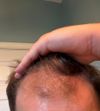
A 28-year-old male showed hair regrowth after 3 months using 5% liquid minoxidil twice daily and weekly dermarolling with a 1mm roller. Someone suggested adding finasteride to the treatment.
The user has been microneedling for 4 weeks and using treatments like minoxidil and eclipta alba oil, seeing positive but slow results. They are considering peppermint oil as a potentially more effective alternative to minoxidil.
Low-Level Laser Therapy (LLLT) is seen as a safe and effective method for maintaining hair and promoting regrowth in androgenetic alopecia (AGA) and male pattern baldness (MPB), with devices like the HairMax LaserComb® and iRestore helmet being popular. Some users and professionals are skeptical about its long-term effectiveness and cost.
PRP treatment for hair loss shows some evidence of effectiveness, with HT surgeons using it post-op to promote growth. Microneedling is mentioned as a cheaper alternative.
Mallia Aesthetics has developed MAL-838, a hormone-free product derived from sCD83, which stimulates hair growth without disrupting the skin microbiome. sCD83 promotes hair growth by activating hair follicles and preventing cell death, offering a localized treatment without systemic side effects.
The conversation is about hair loss treatments, specifically Pyrludimide (KX-826) and Breezula (clascoterone), with the user unable to tolerate finasteride and dutasteride. The user plans to use these treatments alongside minoxidil, considering the efficacy and availability of each option.
A 35-year-old man had a 6400 graft hair transplant in Turkey after years of baldness, using finasteride, oral and topical minoxidil, and scalp micropigmentation. He is satisfied with the progress and plans further SMP touch-ups to enhance results.
Federal funding cuts have delayed PP405 research, affecting hair loss treatment progress, though clinical trials will continue. The discussion highlights PP405's potential compared to minoxidil and finasteride and stresses the importance of government-funded research.
A user is attempting to recover from severe hair loss using 1.25mg finasteride, 5mg topical minoxidil twice daily, pyrilutamide for a month, RU58841 for two weeks, and weekly microneedling at 1.5mm. They have seen new hair growth after two months and plan to continue the treatment for a year with the hope of regrowing enough hair for a transplant.
Lactobacillus reuteri 6475 is being used by a person who reports healthier hair after one month, despite initial shedding. The discussion includes speculation about its effects on gut bacteria and scalp inflammation.
Hair loss treatments discussed include cosmeRNA, minoxidil, finasteride, RU58841, and pyrilutamide. Users debate effectiveness, side effects, and upcoming treatments, with some expressing skepticism and others optimism.
The user is currently using oral finasteride for hair loss and considering adding Eucapil, dutasteride mesotherapy, and microneedling to their treatment regimen. They are seeking alternatives to minoxidil, such as Stemoxydine, due to concerns about minoxidil's side effects.
VDPHL01 shows faster and stronger hair growth compared to standard minoxidil, with no major side effects reported. Users discuss combining it with other treatments like dutasteride and finasteride for better results, while expressing skepticism about the effectiveness of PP405.
Rotenone, a natural plant extract, may promote hair growth by increasing LDH activity and blocking MPC in the scalp, but it carries risks due to its toxicity. The suggested formulation includes Barbasco extract, DMSO, propylene glycol or PEG-400, ethanol, and a carrier oil.
The user has been taking oral minoxidil and finasteride for 10 months with no hair growth but no further hair loss. They are considering adding rosemary oil and possibly returning to a topical solution.
Amplifica has not provided updates on SCUBE3 and AMP-303, raising concerns about their trial outcomes. Users also mention other treatments like Minoxidil, finasteride, RU58841, PP405, and ET-03.
The user is experiencing breast tissue growth from taking dutasteride and minoxidil, and is considering reducing the dosage or stopping the medication. Suggestions include seeing an endocrinologist, using Raloxifene or Arimidex, and considering topical treatments or surgery if necessary.
Breezula (clascoterone) is expected to be available by late 2026, showing good long-term results with minimal side effects. KX-826 (pyrilutamide) acts faster but is still in earlier development stages.
The conversation is about using RF microneedling with ExoHealer, along with finasteride and minoxidil, to improve hair thickness and reduce shedding. The user reports noticeable improvements in scalp texture and oiliness, with plans to consider stem cell treatments in the future.
A user was prescribed Alpicort E, which contains Estradiol Benzoate, Prednisone, and Salicylic Acid, for hair loss and is seeking others' experiences due to concerns about potential side effects.
A user reported hair regrowth using a homemade topical solution of minoxidil and finasteride sourced from Pakistan, combined with microneedling, after experiencing hair loss with UK-based products. They claim a reduction in hair loss from 200-300 to 3-5 hairs a day and advise against spending money on branded products.
The user reported slight improvement in hairline using 1% Clascoterone cream over three months but found it too costly to continue. They expressed interest in trying a 5% concentration if it becomes available at a reasonable price.
The conversation is about the potential of the RCH-01/Replicel hair loss treatment and its lack of updates since 2013, with the user expressing hope for its success and considering using Minoxidil, finasteride, and dermarolling in the meantime. Other treatments mentioned as promising are Breezula and Tsuji.
The conversation discusses the potential benefits of adding Vitamin B6 (P-5-P) to topical hair loss treatments like RU58841, finasteride, or minoxidil. The user suggests that Vitamin B6 might enhance these treatments by naturally lowering scalp prolactin.
Potential success with the hair loss treatment Pyrilutamide, and possible group buying opportunities for it along with other treatments such as Finasteride and Minoxidil.
Breezula's phase 3 results are expected in July or August, with commercialization possibly in two years. There are concerns about delays and effectiveness, and the cost may be high.
A user underwent a 2,550 FUE hair transplant and started taking dutasteride 0.5mg. They previously tried RU58841, minoxidil, and microneedling but avoided finasteride and dutasteride due to side effects.
The conversation is about the interest in testing verteporfin, potentially with a dermaroller, for hair loss treatment. There is frustration over the lack of group buys for promising treatments compared to past efforts with less evidence.
A 28-year-old male shares progress on hair loss treatment using 0.5mg dutasteride and 5mg minoxidil, experiencing initial shedding but encouraged by community support. He also uses ketoconazole occasionally based on scalp oiliness.