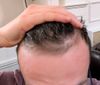
A 31-year-old woman experienced crown hair growth using a topical solution of finasteride (0.1%) and minoxidil (5%) over five months. She applies the solution once daily, improved her fitness, and takes vitamin D and magnesium supplements.
Microneedling daily at 0.3mm combined with topical finasteride and minoxidil is effective for hair thickening, with added benefits from near-infrared therapy. The approach may not improve the front hairline, and deeper microneedling is done monthly for better results.
The conversation is about an 18-year-old's progress with hair regrowth using oral Minoxidil, dermarolling, and RU58841 over three months, starting treatment after beginning to lose hair at 16. Participants are impressed with the improvement and encourage continued treatment.
The user is considering using CB or clascoterone for hair loss, potentially as an alternative to RU. They're also contemplating asking a dermatologist for topical clascoterone cream to apply to their temple.
HMI 115 is being discussed as a potential hair loss treatment, with skepticism due to past disappointments like cosmeRNA, brezula, and pyrilutamide. The user is questioning if they should be hopeful for new developments in the next six years.
A 21-year-old shares their one-year progress using finasteride for hair loss, experiencing initial shedding but eventual regrowth, especially on the crown. They consider switching to dutasteride due to continued hair loss at the front temple and mid-scalp areas.
A 35-year-old male experienced significant hair improvement using microneedling, finasteride, minoxidil, and keto shampoo. He adjusted his microneedling routine for better results.
The potential of using a specific antibody, HMI-115, as a treatment for hair loss alongside traditional treatments such as minoxidil and finasteride. The user suggests trying either a 240 mg or 30 mg dose to see if it works.
Follica's preferred microneedling protocol for hair growth, which includes needle depth, frequency and movement parameters as well as the use of topical treatments such as minoxidil and finasteride.
A 33-year-old man shares his positive hair regrowth results using 1mg finasteride daily, 5% topical minoxidil twice daily, and a 0.5mm dermaroller weekly. He feels more confident and encourages others to try the routine despite potential side effects.
The conversation is about a hair regrowth regimen that includes using minoxidil, peppermint oil, a red light hat, and microneedling. The user is seeking advice on the effectiveness and frequency of these treatments.
A 30-year-old male switched from finasteride to a combination of dutasteride, oral minoxidil, and RU58841, achieving significant hair growth without side effects. He plans to add GHK-Cu peptide to his regimen for further improvement.
The conversation discusses the approval of Kintor Pharmaceutical's AR-PROTAC (GT20029) for clinical trials in China for acne and androgenic alopecia. One user expresses optimism about new treatments being developed and seeks clarification on how the new drug works, specifically if it temporarily degrades the AR protein to reduce DHT sensitivity in hair follicles.
A 28-year-old shared impressive hair regrowth results after 5 months using 1mg oral finasteride every other day, 2.5mg oral minoxidil daily, a 1mm dermastamp weekly, and daily scalp massages. The user is hopeful for continued progress.
A 32-year-old is seeing positive hair regrowth after nearly three months using finasteride, oral and liquid minoxidil, and microneedling, and plans to add RU58841. They are considering switching to dutasteride and possibly a hair transplant in the future.
The user experienced significant hair regrowth in three months using a capsule containing minoxidil and finasteride. They reported no major side effects and plan to continue the treatment until their late 20s.
A 21-year-old shared their 6-month hair regrowth journey using daily finasteride tablets and once-daily topical minoxidil, noting significant improvement in hair thickness, especially at the corners, with minimal side effects. They also mentioned using minoxidil for beard growth with limited success and occasionally using a dermaroller.
A user reported hair regrowth using a homemade topical solution of minoxidil and finasteride sourced from Pakistan, combined with microneedling, after experiencing hair loss with UK-based products. They claim a reduction in hair loss from 200-300 to 3-5 hairs a day and advise against spending money on branded products.
A user shared their hair recovery progress from ages 25-31, attributing success to quitting smoking, minoxidil, microneedling, and hormone therapy. They also mentioned being transgender and using hormone therapy.
The conversation discusses the completion of a Phase II trial recruitment for Breezula (CB-03-01), a potential treatment for androgenic alopecia. Specific treatments mentioned include Minoxidil, Finasteride, and RU58841.
A user shared their 3-month hair growth progress using 1mg oral finasteride, 5% topical minoxidil, and microneedling with a 1.5 mm dermaroller twice weekly. The user received positive feedback and expressed a desire for thicker hair in the future.
The conversation discusses the potential use of HMI 115 for hair loss and whether it could replace or be used alongside finasteride, minoxidil, and RU58841. The user is experiencing scalp inflammation and continued hair shedding despite using finasteride for 8 years.
The conversation discusses the HMI-115 trial for hair loss, which was expected to end around July 2023 due to a late participant. Participants also mention Minoxidil, finasteride, and RU58841 as treatments.
A 27-year-old is experiencing hair thinning and receding, currently using finasteride and planning to start minoxidil. They seek advice on hairline treatment options, including styling, PRP, peptides, and micro-needling.
Amplifica is testing a compound called AMP-303 for hair loss, but it's not Scube3 or osteopontin. The timing for the results from the clinical trial is unknown.
The conversation discusses GT20029, a compound by Kintor Pharma that degrades androgen receptors and is in trials, with potential as a hair loss cure. Another promising treatment mentioned is an antibody that blocks prolactin and has shown positive results in macaques.