RU58841 may pose cancer risks due to its antiandrogen properties and lack of long-term safety data. Using it is considered a high-risk experiment with unknown potential for harm.
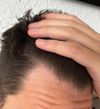
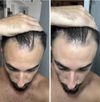
The user experienced hair regrowth using a combination of Minoxidil, Finasteride, and RU58841, with Minoxidil used initially and the other treatments added later. The user believes the combination of Finasteride and RU58841 contributed to the regrowth, with RU sourced from MVsupplement.
The conversation discusses the high cost of CB-03-01, a topical antiandrogen for hair loss, which is considered safe and remains localized upon application. It questions whether the expense is justified compared to the lower risks it poses relative to finasteride.
The conversation discusses GT20029, a new topical drug for hair loss and acne without notable side effects, which has been accepted for investigational use in China. Some users express skepticism about the legitimacy of the company and the potential for other drugs like RU58841 to be developed due to patent expiration and lack of profitability.
Breezula's effectiveness may depend on the vehicle used for its application, with concerns about the grey market version's formulation. Phase 3 results are promising, but skepticism remains about the grey market product's authenticity and effectiveness.
The user is experiencing hair loss and has been using RU58841 but is considering pyrilutamide and minoxidil, avoiding finasteride due to side effects. Another user suggests finasteride or dutasteride as essential, possibly in topical form, while dismissing saw palmetto as ineffective.
The user mixes their own RU58841 solution and found that increasing the ethanol content improved absorption and reduced scalp itching. A study on minoxidil showed that penetration increased with higher ethanol concentrations, reaching maximum penetration at 90% ethanol.
A user's experience with microneedling monotherapy and potential treatments such as finasteride, minoxidil, Stemoxydine, rosemary oil, peppermint oil, and RU58841 for reversing hair loss.
The conversation discusses hair loss treatments, specifically mentioning Minoxidil, finasteride, and RU58841. It also references upcoming trial data from Shiseido in Japan.
A user shared their successful hair regrowth journey using oral minoxidil, dutasteride, and eucapil, with additional benefits from MTF hormone replacement therapy. They advised consulting specialists and considering individual responses to treatments.
Researching the release of phase 2 trials for pyrilutamide, a potential hair loss treatment, and discussing other treatments such as Minoxidil, Finasteride, and RU58841.
The conversation is about hair loss treatments, specifically the anticipation for the release of a new treatment, GT20029, by 2028. Users are discussing their experiences with current treatments like finasteride and dutasteride, and the potential of future treatments, including FAK inhibitors and verteporfin trials.
Visible hair improvement after 10 weeks using minoxidil, estradiol enanthate, acetophenide algestone, and bicalutamide. The user is a 25-year-old male with reduced testosterone levels, expressing a preference for less masculinity.
The conversation discusses hair loss treatments, specifically Breezula, Minoxidil, finasteride, and RU58841. Participants express curiosity about Breezula's safety and its steroidal nature.
A 35-year-old with alopecia areata has tried finasteride, topical and oral minoxidil, and dutasteride without success in stopping hair loss. The dermatologist suggests JAK inhibitors, but they are too costly, leading to uncertainty about the cause of hair loss.
The user discusses using Minoxidil for hair loss and is considering RU58841 to reduce excessive oil production. They seek advice on RU58841's effectiveness in blocking sebum production.
A 28-year-old male started a hair loss treatment with 2.5mg oral minoxidil daily, 1mg finasteride every other day, and a 1.5mm dermaroller once a week. After two months, he believes he sees some progress.
CB 03 01 (Breezula) was tried for hair loss but showed no significant improvement, with issues in dissolving and application. Finasteride and dutasteride remain the most effective treatments, while minoxidil is also used; CB's effectiveness is questioned, and topical alternatives like bicalutamide are considered.
RU58841 is discussed as a topical anti-androgen for hair loss, but its effectiveness and safety are not well-documented, leading to mixed opinions and experiences among users. Some combine it with finasteride, but concerns about side effects and lack of FDA approval limit its popularity.
A user created a tracker for hair loss treatments in clinical development, including compounds like Dermaliq, RU58841, and Pyrilutamide. The tracker updates with new information and allows filtering by conditions like androgenetic alopecia (AGA) and alopecia areata (AA).
The conversation is about adding a low dose of pyrilutamide to a hair loss treatment regimen. Specific treatments mentioned include Minoxidil, finasteride, and RU58841.
The conversation discusses the effectiveness of pyrithione zinc and GT20029 for hair loss. Specific treatments mentioned include Minoxidil, finasteride, and RU58841.
A compound called MTP3 from the Monoterpene family was found to be safe and highly effective at treating hair loss by inhibiting the FGF5 gene, but its identity is undisclosed for commercial reasons. No specific treatments like Minoxidil, finasteride, or RU58841 were discussed.
A 42-year-old male using Minoxidil since June reports hair regrowth and thickening, with additional improvements from vitamin supplements and stress-reducing medication. Suggestions include adding topical finasteride and microneedling for better results.
The user is using a combination of finasteride, dutasteride, oral and topical minoxidil, PRP, and stem cell treatments for hair loss. They report slowed shedding and new vellus hairs on the hairline, questioning if they are a strong responder to the treatment.
The conversation is about disappointment with pyrilutamide's performance as a hair loss treatment, with some users expressing interest in other treatments like Verteporfin, GT20029, and RU58841, while others suggest sticking with established treatments like finasteride or dutasteride.
The conversation discusses the approval of Kintor Pharmaceutical's AR-PROTAC (GT20029) for clinical trials in China for acne and androgenic alopecia. One user expresses optimism about new treatments being developed and seeks clarification on how the new drug works, specifically if it temporarily degrades the AR protein to reduce DHT sensitivity in hair follicles.