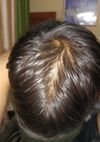
Starting with 5 mg of oral minoxidil for faster initial results, then reducing to 2.5 mg to maintain progress. The user seeks opinions on this approach.
A user is considering a 3-in-1 capsule containing Finasteride, Minoxidil, and Biotin for hair loss. Concerns are raised about Biotin's impact on the effectiveness of Finasteride and Minoxidil, and the cost is unclear without logging in.
The user discusses using a topical solution with minoxidil, finasteride, and additional ingredients like apigenin, oleanolic acid, and biotinoyl tripeptide. They question if this combination is more effective than using just minoxidil and finasteride alone, noting they are already taking oral finasteride.
The user has been using oral dutasteride 0.5mg, oral minoxidil 2mg, and topical minoxidil 5% for hair regrowth, along with microneedling. They have seen significant hair coverage improvement and are considering additional supplements for better results.
The user is considering switching from topical to oral minoxidil to address thinning hair and a receding hairline. They are currently using topical minoxidil with tretinoin, finasteride, and ketoconazole shampoo without side effects.
A dermatologist prescribed a topical solution with 7% minoxidil, 0.1% finasteride, and 0.015% tretinoin from Medrock pharmacy. The user is asking if anyone has tried it and if it contains alcohol.
Dutasteride and oral minoxidil significantly improved hair appearance, with noticeable changes in color and texture. The user experienced minimal side effects and attributes most progress to dutasteride.
A 25-year-old male has been using oral Finasteride 1mg daily and topical Minoxidil 5% twice daily for 1.5 years without seeing hair growth improvement. He is considering switching to oral Minoxidil and is uncertain about starting Dutasteride.
The user experienced significant hair improvement after 3 months using daily oral tablets of 1.2mg finasteride and 3mg minoxidil, along with vitamins and biotin. The hairline looks much better despite initial shedding.
The conversation discusses the effectiveness of oral minoxidil versus topical minoxidil with tretinoin for hair regrowth, with some users suggesting oral minoxidil might be more effective for non-responders to topical treatments. Concerns about side effects and the role of enzymes in activating minoxidil are also mentioned.
The user shared a 6-month update on using topical minoxidil 5% twice daily and dutasteride 0.5 mg weekly, reporting improved hairline and temple regrowth with no side effects. Microneedling was also mentioned as a helpful addition to the treatment.
User shared progress pictures showing significant hair regrowth using 1mg finasteride and topical minoxidil daily since January. Other users congratulated and shared their own experiences and advice.
The user has been using oral finasteride and minoxidil with vitamins for 5 months and seen improvements. They are asking if adding topical minoxidil would be beneficial or if they should continue with the oral treatment alone.
Breezula (clascoterone) initially performed better than finasteride for hair loss but then effectiveness decreased almost back to baseline after 6 months, raising questions about its strength.
A 20-year-old diffuse thinner has been using finasteride for 8 months and is considering adding minoxidil to their routine. A user suggests incorporating minoxidil for quicker regrowth, despite the hassle of daily application, while continuing finasteride.
A user started using homemade topical finasteride with PG-free liquid minoxidil for hair loss. They noticed the solution became milky with floaters and asked if it needed filtering.
The user shared progress pictures after using 1mg oral finasteride daily and topical minoxidil every other day for four months, showing significant hair growth. Others congratulated the user and discussed personal experiences with hair loss treatments.
A 20-year-old is using a topical solution with finasteride, minoxidil, and tretinoin for hair thinning. They seek advice on application, duration, and potential results.
The conversation is about using tretinoin with a topical finasteride/minoxidil spray for hair loss. The user seeks information on combining tretinoin with their current treatment.
User reports 3-month progress using daily 1mg finasteride, 0.5ml minoxidil (2x daily), 0.5ml dutasteride, and derma rolling 0.5mm 1-2 times per week. They see increased density on crown and top of head, slight progress in corners and temples, and recently added cosmerna.
Tretinoin may enhance minoxidil absorption, potentially improving hair regrowth when combined with microneedling. Users discuss various treatments like minoxidil, finasteride, dutasteride, and microneedling, with mixed results and concerns about side effects and scarring.
The conversation discusses hair regrowth treatments, including oral minoxidil 5mg and finasteride 1mg on alternate days, along with derma rolling, biotin, and other supplements. The user reports good hair growth and reduced hair fall, with no side effects from oral minoxidil except increased body hair.
The conversation discusses using minoxidil, finasteride, biotin, rosemary oil, and microneedling for hair regrowth, particularly around the temples. The user is seeking a permanent solution to improve hair density without ongoing intensive treatments.
MinoxidilMax is now selling a product called Ruderma, which contains RU58841, a chemical used for hair loss treatment. Some users question the legitimacy of the company, while others discuss the standard concentration of RU58841 and mention that both men and women use finasteride for hair loss.
Trioxidil's effectiveness is questioned, with users suggesting it might be a marketing gimmick. Alternatives like Lipogaine and MSM are discussed, with some users sharing positive experiences with combining treatments like minoxidil and nanoxidil.
Redensyl improved hair thickness slightly with no side effects, but no regrowth. Minoxidil provided significant regrowth but caused facial side effects like puffiness.
Dutasteride mesotherapy involves micro injections every 3 months to reduce side effects compared to regular finasteride. The discussion focuses on its effectiveness and safety for hair loss treatment.
The user reports visible improvement in hair thickness after using 0.5mg Dutasteride, 2.5mg Minoxidil, and 2% Ketoconazole shampoo, along with supplements, over 3.5 months. Other users note slight improvement and suggest giving it more time.
The user experienced significant hair thinning and has been using minoxidil, dutasteride mesotherapy, and red light therapy for 4.5 months without results. Suggestions include switching to oral dutasteride or finasteride for better effectiveness.