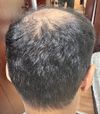
The user has been using a topical combination of finasteride and minoxidil for six months, with some progress noted. They also use Nizoral twice a week and plan to start microneedling.
The conversation discusses hair regrowth progress using finasteride and minoxidil, with the user switching from topical to oral minoxidil. Some users express skepticism about the progress photos, while others note that younger individuals may respond better to these treatments.
The user has been using finasteride and topical minoxidil for 15 months but is experiencing constant hair shedding, similar to telogen effluvium, despite stable widow peaks. They have checked for vitamin and mineral deficiencies, consulted specialists, and are considering further investigation like a scalp biopsy.
The conversation is about using topical finasteride for hair loss and concerns about its application, side effects, and practicality. Users suggest switching to oral finasteride for convenience, despite potential side effects.
The user shared their one-year hair growth progress using a daily Fin/Min chewable tablet, noting some inconsistency in usage but still achieving results. They use Head & Shoulders shampoo and have not mentioned any side effects.
Asian dermatologists are more open to prescribing finasteride, while in some regions, medications like finasteride and minoxidil can be obtained without a prescription. In Europe, particularly France, there are stricter regulations requiring patients to acknowledge potential side effects, but many people find ways to obtain these treatments through various means.
A 22-year-old shared their 6-month hair loss progress using only topical treatments like minoxidil, derma rolling, and red light therapy, without finasteride or oral medications. Other users suggested adding DHT blockers like RU58841 and ketoconazole shampoo for better results.
A user shared their hair regrowth journey using finasteride, minoxidil, and later switching to dutasteride and oral minoxidil, seeking advice on the effectiveness of these treatments and the potential impact of diet changes. Other users commented on their own experiences with similar treatments, with mixed results and questions about side effects like body hair growth.
A 25-year-old male has been using oral Finasteride 1mg daily and topical Minoxidil 5% twice daily for 1.5 years without seeing hair growth improvement. He is considering switching to oral Minoxidil and is uncertain about starting Dutasteride.
The conversation humorously speculates on whether King Thutmose IV used finasteride to maintain his hair, with references to minoxidil and other hair loss treatments. It includes jokes and satire about historical figures and hair loss.
PP405 is viewed skeptically, with some seeing it as overhyped and potentially ineffective compared to existing treatments like minoxidil and finasteride. While it shows some promise in activating dormant hair follicles, many believe it won't replace hair transplants or significantly outperform current options.
The user started taking oral finasteride after four years on oral minoxidil due to thinning hair in the crown area. They experienced some initial side effects and shedding but are hopeful for regrowth, while continuing with minoxidil.
A 30-year-old male is experiencing some hair regrowth after 77 days using oral finasteride, topical minoxidil 5%, and a 0.5mm derma roller twice a week. Users note small hairs filling previously smooth spots, but it's too early to determine full regrowth potential.
A 33-year-old man shares his one-year progress using 5% Minoxidil and 0.5% Tretinoin cream, along with derma stamping and specific shampoos, to combat hair thinning and promote hair growth. He avoids using finasteride or dutasteride, despite suggestions from others to try them for long-term maintenance.
People are discussing the use of an untested hair loss treatment called PP405, which is not available on the grey market. Some users are trying a mimic formulation called HP3, reporting thicker hair but no new growth yet.
The user is happy with their hair regrowth after three months of using a 4-in-1 pill containing minoxidil, dutasteride, finasteride, and biotin, along with microneedling and saw palmetto shampoo. They experienced initial shedding but are pleased with the progress and have not had any side effects.
Scientists have successfully grown functional hair follicles in the lab, marking a significant advancement in hair regeneration research. A user shared their personal experience with hair loss treatments, including Minoxidil and Finasteride, and plans to share a detailed protocol for hair restoration.
Saw palmetto, a 5-alpha reductase inhibitor, caused unexpected side effects like breast changes and altered semen consistency, which resolved after stopping its use. Concerns about similar side effects with finasteride or dutasteride were expressed, and another user reported low libido and depression from saw palmetto.
Counterfeit minoxidil can be identified by inconsistencies in bottle fill levels, label details, and smell compared to genuine products. Genuine minoxidil has a specific alcohol-based smell and consistency, while counterfeit versions may smell musky and feel greasy.
A 32-year-old is seeing new hair growth after two months of using minoxidil foam twice daily, finasteride every other day, and weekly microneedling. They previously had a hair transplant but did not use medication afterward, which they now regret.
Avoid home-compounding topical minoxidil due to potential risks and complications. Use proper equipment and techniques to prevent aerosolization and ensure effective dissolution.
The user shared their 6-month hair loss progress using topical minoxidil, oral minoxidil, finasteride, and microneedling. They noted thicker eyebrows and eyelashes but also increased body hair.
The user has been using Minoxidil and Finasteride for a year with no change in hair density, though hair loss has stabilized. They are considering increasing the dose or exploring other options like Dutasteride or a hair transplant.
Homelessness is humorously proposed as a solution to hair loss due to less grooming and stress. Treatments like Minoxidil and Finasteride are discussed, with genetics and lifestyle also considered important factors.
The conversation is optimistic about future hair loss treatments, highlighting Veradermics, Breezula, and PP405 as promising options expected by 2027-2028. The user expresses hope that these developments will prevent future generations from experiencing the same struggles with hair loss.
A 23-year-old male has been using dutasteride (0.5mg daily) and minoxidil with tretinoin for 107 days to address crown hair loss, noticing slight thickening but uncertain progress. He reports no shedding or side effects, experiencing positive effects like improved skin texture and increased energy.
The user experienced positive hair regrowth using finasteride for two years, with no side effects, and recently added minoxidil foam to address temple volume. Other users shared similar experiences with finasteride, noting varying results and some concerns about side effects, but overall satisfaction with hair maintenance.
Avoid clinics that push for more grafts than necessary, as it can lead to unnecessary costs and damage to the donor area. Trust reputable clinics and be cautious of those using celebrity endorsements or offering suspiciously low prices.
A 45-year-old male used topical Minoxidil 12.5% and Finasteride 0.5% nightly for a year, with noticeable hair improvement and no side effects. He also used a dermal roller monthly and continued using creatine, attributing his hair's healthier appearance to the treatment.