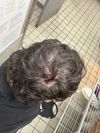
The user is using finasteride and topical minoxidil for hair loss after previously trying them separately without success. They are experiencing a shedding phase but are committed to the treatment.
The user is experiencing potential side effects from a 3-in-1 pill containing Finasteride, Minoxidil, and Biotin, including dizziness, blurry vision, and reduced libido. They are considering tapering off the medication as advised by their dermatologist to see if symptoms improve.
The user is inquiring about alternating daily doses of Minoxidil, taking 5mg one day and 2.5mg the next. They are seeking advice on whether this dosing schedule is acceptable.
The user is concerned about potential hair thinning and has been using minoxidil and finasteride for a year, noticing some new hair growth. They recently started microneedling to improve minoxidil absorption and seek advice on applying it to the crown area.
41-year-old female experienced slow hair thinning, took finasteride for a year, then switched to spironolactone. Irregular periods occurred, seeking advice on long-term side effects and considering a third medication.
The user is using minoxidil, topical finasteride, Nizoral shampoo, and a dermaroller for hair regrowth but is experiencing changes in sexual function. They are concerned about whether these changes are due to the treatment and are seeking advice on continuing hair growth without affecting sexuality.
OP is struggling with hair loss and is seeking advice on styling or treating their hair to look better. They currently use Nizoral and Maui conditioner but are considering wigs due to the lack of improvement.
An 18-year-old experienced chest pain, headaches, and vomiting after taking oral minoxidil for hair loss. They reduced the dosage, felt better, but experienced sharp chest pain again after increasing it, and are advised to stop the medication and see a doctor.
The user is experiencing a difficult shedding phase after starting a hair loss treatment with oral finasteride, topical minoxidil, and microneedling. Despite the shedding, they remain hopeful for regrowth and plan to continue the treatment, encouraged by others' positive results.
An 18-year-old is dealing with hair loss and considering minoxidil and finasteride. Suggestions include starting finasteride, saving for a hair transplant, embracing baldness, and focusing on self-improvement.
The user is experiencing hair loss despite using finasteride three times a week due to side effects and is considering alternatives like topical finasteride, estrogen blockers, or dutasteride. They are also interested in potential treatments like GT20029 and pyrilutamide.
The conversation discusses using 1.5mm microneedling to improve responses to Minoxidil for hair loss. One user humorously suggests more aggressive microneedling.
The conversation discusses using gartanin from mangosteen mixed with castor oil to degrade the androgen receptor for hair loss treatment. Alternatives like setipiprant, minoxidil, and dermastamping are also mentioned, with concerns about cost and potential side effects.
A 20-year-old experiencing crown thinning is using a topical minoxidil/finasteride treatment and is concerned about shedding. Shedding is common and temporary, lasting weeks to months, and it's advised to continue the treatment as results can take up to a year.
The conversation discusses using topical cetirizine as a treatment for androgenetic alopecia (hair loss). Specific treatments mentioned include Minoxidil, finasteride, and RU58841.
The user shared their hair regrowth journey since 2017, using treatments like finasteride, minoxidil, dutasteride, RU58841, microneedling, and later feminizing HRT. Significant progress was noted after starting HRT, with continued improvement in hair texture and regrowth.
A user experienced heart problems after taking 1mg finasteride and 2.5mg oral minoxidil and is considering quitting minoxidil. Others discussed their experiences with heart issues and minoxidil, with some suggesting topical minoxidil as a safer alternative.
The conversation highlights the general public's lack of knowledge about hair loss, with various ineffective remedies suggested, such as not wearing hats or using hair fibers. The only effective treatments mentioned for male pattern baldness are medications like minoxidil and finasteride, and hair transplants.
PCOS female visited doctor for hair loss concerns, prescribed spironolactone and minox 5%. Doctor advised against finasteride or dutasteride, user considering self-medication with dutasteride.
The user experienced side effects from oral minoxidil, such as palpitations and insomnia, and switched to topical minoxidil, which led to noticeable hair regrowth, especially at the hairline. They also use finasteride and observed increased hair shedding initially, which later stabilized.
The user shared their hair loss journey, using finasteride, dutasteride, and minoxidil, noting progress and some side effects like minor gynecomastia. They plan to switch fully to dutasteride while continuing minoxidil, and they experienced shedding primarily from finasteride.
Some people don't see results with FDA-approved hair loss treatments like finasteride or minoxidil due to underlying issues. The video suggests addressing these issues, especially if there are atypical symptoms or other health conditions.
The conversation discusses using Bimatoprost for eyebrow regrowth and its potential use on the hairline, with concerns about cost and side effects. Alternatives like topical Minoxidil are mentioned, but the user is worried about aging and acne.
Breezula protects hair follicles from both testosterone and DHT, unlike finasteride, which only protects against DHT. This could potentially lead to significant hair regrowth, similar to results seen in transgender individuals using hormone blockers.
Serevelle is being considered for hair loss due to menopause, but its effectiveness is unclear. Minoxidil and hormone management are suggested alternatives.
The user is experiencing worsening hair loss despite undergoing monthly injectable finasteride, clay masks, laser therapy, and microneedling. They are concerned about severe shedding in areas not typically affected by male pattern baldness and are considering seeking a second opinion.
A 25-year-old woman is experiencing hair loss and is unsure if it's due to iron deficiency or female pattern baldness, as diagnosed by her dermatologist. She is considering using Minoxidil but is hesitant and seeks advice on whether increasing her iron levels could help.
Switching from Kirkland minoxidil foam to a topical finasteride/minoxidil solution can cause significant hair shedding. The user also uses dutasteride, RU58841, and pyrilutamide in their treatment regimen.
The user has been using finasteride for hair loss with good results and is considering adding oral minoxidil. They are experimenting with hairstyles and hair products to manage their thinning hair and have received mixed feedback.