The user is experiencing hair loss and is using Minoxidil once a day. They suspect Vitamin D deficiency and Seborrheic Dermatitis might be contributing factors.
Creatine does not increase DHT levels or cause hair loss. Personal experiences vary, but scientific evidence shows no link between creatine and hair loss.
Creatine does not directly cause hair loss, but it may increase DHT levels, which can affect hair. Some users report hair shedding with creatine, while others experience no hair loss.
Minoxidil regrowth may be slowed by low vitamin D and ferritin levels. The user is experiencing slow hair regrowth and is considering addressing these deficiencies.
The conversation discusses the possibility and safety of adding minoxidil sulfate to mesotherapy with dutasteride. Users are inquiring if anyone has tried this combination.
The conversation discusses hair loss treatments, including oral finasteride, topical minoxidil, and microneedling, and the potential impact of Vitamin D and folic acid deficiencies on hair regrowth. It suggests that while male pattern baldness is the primary cause, addressing vitamin deficiencies may aid in improving regrowth.
Adding creatine while using finasteride and minoxidil caused skin irritation and hair thinning. Creatine may affect DHT levels, leading to these issues.
Increasing dutasteride to 2.5 mg daily and adding 2.5 mg oral minoxidil to prevent hair loss during a testosterone cycle. Suggestions include adding RU58841 for better protection against hair loss.
The user has been using a hair loss treatment regimen including RU58841, minoxidil, and dutasteride, but still experiences hairline recession and fatigue despite high testosterone levels. They are considering adjusting their dutasteride dosage due to concerns about libido and energy levels.
The conversation is about a user experiencing accelerated hair loss after starting vitamin D3 supplements, suspecting a link between the supplement and increased DHT levels. The user decides to stop taking the supplements, preferring natural sources of vitamin D.
The conversation discusses concerns about microneedling potentially causing damage before a hair transplant, with users sharing their experiences and techniques. Specific treatments mentioned include using a dermapen at various depths and speeds, with some users advising against self-treatment.
A user shared their progress with hair loss treatment using Dutasteride Mesotherapy but mentioned they ruined their progress. Another user commented that Minoxidil caused shedding, which should regrow in three months.
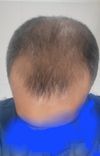
The user experienced severe scalp itching and hair loss while on dutasteride, which they linked to caffeine and masturbation. They plan to cut out both to see if their hair density improves.
GT20029 is discussed as a potential treatment for androgenetic hair loss by targeting androgen receptors, unlike finasteride which reduces DHT broadly. Concerns include its effectiveness, genetic variations in androgen receptors, and availability, with some skepticism about its potential as a true alternative.
The trial for TDM-105795 has been completed, and it was in phase 2A. The discussion seeks input on the next phases, 2B or 3, based on safety and efficacy.
Pyrilutamide did not show effectiveness in regrowing hair compared to a placebo, but it may still help maintain existing hair by preventing DHT from causing follicle miniaturization. Some users believe it could be beneficial when used with other treatments like minoxidil, finasteride, and dutasteride.
Micronutrient testing and deficiencies related to hair loss, particularly androgenetic alopecia (AGA). Discussion includes the impact of iron, selenium, zinc, copper, folate, B12, vitamin E, vitamin D, amino acids, and fatty acids, alongside treatments like dutasteride or finasteride.
A 31-year-old experiencing rapid hair loss is considering whether to shave their head or use treatments. They were prescribed B12, topical finasteride 0.1%, and minoxidil 10% but are unsure about the correct dosage and potential side effects.
A 20-year-old male has been experiencing hair loss for three years due to a vitamin D deficiency and has seen no improvement after 3.5 months of taking supplements. Another person suggested that if the hair loss follows a pattern, it might be regular baldness rather than due to the deficiency.
User experienced bad reaction to minoxidil and asks if anyone tried stemoxydine alone for hair loss. They consider trying stemoxydine with low dose topical finasteride after testing stemoxydine on a small area.
The user must stop minoxidil due to a heart murmur and is considering alternatives like nanoxidil or stemoxydine while continuing dutasteride. Suggestions include adding pyrilutamide and alfatradiol or switching to topical minoxidil at a lower concentration.
The user is using a hair recovery treatment with 0.5 mg dutasteride, 5 mg biotin, 5% topical minoxidil, and dermarolling twice a week. They are considering using a 1.5 mm dermaroller and red light therapy.
Creatine does not directly cause hair loss but may increase DHT levels, potentially worsening hair loss in those predisposed to male pattern baldness. Users have mixed experiences, with some reporting increased shedding and others seeing no effect.
TDM-105795 is a potential hair growth stimulant that works differently from minoxidil and could be used alongside it for enhanced growth. It completed phase 2 trials in 2024, with a medium to high chance of release in 2026, but lacks recent updates or phase 3 trial information.
The conversation is about a user planning to start minoxidil treatment and considering increasing zinc intake to improve testosterone and libido. They are concerned about potential hair loss due to increased testosterone and are advised to consider magnesium supplementation and the effects of DHT if not on finasteride or dutasteride.
Creatine does not cause hair loss, but it may accelerate it in those predisposed to male pattern baldness. The study suggests that creatine does not affect DHT or hair loss, but individual reactions may vary.
The user has been using finasteride and minoxidil for hair loss and recently added microneedling and biotin vitamins to their routine. They are asking if microneedling can regrow hair in completely bald areas, specifically around the temples and above/in front of the ears.
The conversation is about concerns and advice regarding microneedling for hair loss, with potential risks like chronic inflammation, scarring, and folliculitis. The user has been using minoxidil, finasteride, and stemoxydine with good results and is considering adding microneedling, with recommendations for using a dermastamp or pen.