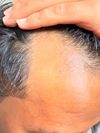
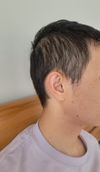
A user is developing a tool to track hair density, aiming to help those using treatments like minoxidil. They seek feedback on the tool's usefulness and are considering a low-cost model to cover expenses.
Clascoterone 5% shows promising hair growth results but is criticized for high cost and unclear effectiveness compared to other treatments like finasteride. Glenmark is testing a combination of Clascoterone 7.5% and Minoxidil 5% in India.
The user experienced an elevated heart rate from using topical Minoxidil and discontinued its use. They found that adding a daily protein shake helped with telogen effluvium.
The efficacy of low doses of finasteride to reduce scalp DHT, and whether studies showing a 61% reduction are reflected in actual results. Replies discussed hair growth as an unintended consequence of minoxidil and finasteride use, as well as self-selective bias, potential side effects, and that studies measure effectiveness by hair count changes rather than DHT inhibition.
Oral minoxidil can cause multiple facial hairs to grow from one follicle, known as Pili Multigemini, leading to ingrown hairs and zits. Users report increased facial and body hair growth, with some experiencing fewer issues after switching to dutasteride.
The conversation discusses anticipation for CB-03-01, a potential new hair loss treatment that may be more effective and have a cleaner safety profile than finasteride. Users are hopeful but cautious, discussing current treatments like minoxidil, nizoral, and dermarolling, and the possibility of combining them with CB-03-01 for better results.
Microneedling combined with minoxidil is more effective for hair growth than microneedling alone. Optimal results are seen with weekly microneedling using 0.5 - 1mm needles and regular minoxidil application, avoiding minoxidil on the needled area for 24 hours.
GT20029 and KX826 are promising hair loss treatments, with GT20029 increasing hair count and KX826 showing significant results. KX826 may be a good alternative for those who can't use finasteride or dutasteride, though results vary.
Minoxidil's effectiveness varies due to genetic differences in the SULT1A1 enzyme, affecting how well it converts to its active form, minoxidil sulfate. Hyper-responders may experience rapid hair growth and increased side effects, such as pericardial effusion, even at low doses.
The user reports positive progress in hair regrowth using 1mg oral finasteride, 3mg oral minoxidil, biotin, vitamin D, red light therapy, and microneedling. They note thickening at the hairline and some regrowth at the temples.
The conversation discusses a person's hair loss treatment over 1.1 years with finasteride, 1.5 years with minoxidil, and 2 months of microneedling, noting less shedding since starting vitamin D3 a month ago. Commenters are impressed with the results.
An experiment to determine the effectiveness of Pyrilutamide in reducing hair loss, using a regimen of Minoxidil and Finasteride, with promising results. The conversation also suggests comparing this to RU58841 as an alternative.
The user is considering starting a topical treatment for hair loss, using a spray containing 0.3% finasteride, 5% minoxidil, and 0.01% tretinoin. They are questioning the dosage and considering reducing the application to achieve 0.15% finasteride and 5% minoxidil.
The user experienced hair regrowth after using oral minoxidil, topical minoxidil, dutasteride, multivitamins, and ketoconazole shampoo, with noticeable improvement in the hairline after 11 months. They reported a burning sensation on the scalp and questioned if single hair follicles could become multi-hair follicles.
A user is considering switching from oral minoxidil to a combination of 5% topical minoxidil and tretinoin to reduce hypertrichosis. They hope this combination will be effective without causing excessive body hair growth.
The conversation discusses using GFM Gel, a topical gel with polypeptides that mimic growth factors to promote hair regrowth and strengthen hair. It also mentions treatments like Minoxidil, finasteride, and RU58841 for hair loss.
A 24-year-old male shares his two-month progress on hair regrowth using 0.5mg Dutasteride, 2.5mg Minoxidil, 10mg Biotin, and Ketoconazole shampoo, noting significant crown improvement. Users discuss the effectiveness of oral Minoxidil, with some expressing skepticism about photo angles and the necessity of Biotin unless deficient.
Daily microneedling at 0.25mm before applying minoxidil is debated, with some suggesting weekly microneedling is safer and more effective. Concerns include potential skin damage and systemic absorption, while alternatives like tretinoin are considered safer for enhancing minoxidil absorption.
The conversation discusses maintaining hair regrowth using minoxidil and finasteride and whether using gt20029, which degrades androgen receptors, would affect this. Fluridil, a similar treatment, can disable over 90% of active androgen receptors.
The user is using a solution of 5% minoxidil and 0.1% finasteride with micro-needling and is considering adding 1mg oral finasteride. They notice small hairs on their forehead and are questioning if these indicate potential regrowth.
The conversation discusses hair loss treatments, specifically Minoxidil, finasteride, and RU58841. It also inquires about the timeline for the GT20029 phase 3 trial by Kintor.
The conclusion of the conversation is that the user, PirateBeastBaby, had good results with microneedling for hair loss after using oral finasteride and topical minoxidil 20 years ago. They believe that microneedling was the gamechanger for their hair growth.
The user is experiencing excessive hair thinning and is unsure of the cause. They are seeking opinions on treatments like Minoxidil, finasteride, and RU58841.
The conversation discusses hair loss treatments, mentioning minoxidil, finasteride, RU58841, VDPHL, GT20029, and follicle cloning as potential solutions. It also reveals that the discussion about PP405 was an April Fool's joke.
The conversation discusses why CB-03-01, a potential hair loss treatment, isn't widely discussed despite evidence of its effectiveness and safety. Some users mention other treatments like melatonin, procianidin b2, and RU58841, debating their effectiveness and safety.
A 35-year-old man used minoxidil 5% and biotin 5000 mcg for six months, resulting in significant hair regrowth. He experienced initial shedding but avoided finasteride due to potential side effects.
A user shared their experience with hair loss treatment using finasteride (1mg) and minoxidil (1ml), noting significant shedding phases but hoping for improvement. Shedding is a common synchronized effect of the treatment, which may desynchronize over time, potentially taking over 5 years.
A 21-year-old male is using a Minoxidil (10%) and Finasteride (0.1%) topical solution with a Keraglo Men tablet for hair loss, experiencing positive results without side effects. He advises another user to prepare questions for a dermatologist visit and discusses potential treatment adjustments.