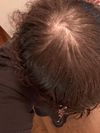
The user has been using finasteride, minoxidil, dermarolling, and keto shampoo for hair regrowth, showing positive results after four months. Some users suggest adding tretinoin cream for better absorption, and there's a debate on whether finasteride should be taken at night.
A user is trying to regrow hair using a natural approach without Minoxidil or finasteride, focusing on micro-needling, red light therapy, and various oils and serums. Other users suggest that medical treatments are more effective for male pattern baldness.
The post and conversation are about a hair loss treatment regimen involving 30% minoxidil cream nightly, 5% minoxidil in the mornings, finasteride, weekly 1.5 derma pen, daily 0.5 microneedling for minoxidil absorption, daily multivitamin with biotin, low-level laser therapy every other day, daily scalp massages, Hims shampoo, and daily coffee rinses. The user hopes for hair regrowth and plans to update in one year.
The user has been using Minoxidil and Finasteride since late 2019 with good results but is experiencing a dry, flaky scalp and shedding hairs. They also use Nizoral, biotin, zinc, magnesium, and collagen supplements, and their dermatologist prescribed fluocinolone acetonide to reduce flaking.
The conversation discusses hair loss struggles and treatments, including oral minoxidil, oral finasteride, and RU58841. Users share experiences and advice, suggesting options like topical minoxidil, microneedling, hair transplants, and scalp micropigmentation.
The post and conversation are about a user's 6-month progress using topical dutasteride, 8% minoxidil, tretinoin, 2% ketoconazole shampoo, microneedling, oral finasteride, pumpkin seed oil, Vitamin D3, a men's multivitamin, rosemary oil, and 5% minoxidil foam for hair loss treatment.
The conversation discusses a hair loss regimen using natural oils like pumpkin seed, rosemary, peppermint, evening primrose, and sea buckthorn, along with microneedling, niacin, vitamin B complex, and astaxanthin. Some users criticize the effectiveness of this approach compared to treatments like finasteride and minoxidil, while others suggest adding saw palmetto and other supplements.
The conversation humorously discusses hair loss treatments, mentioning scalp massage, minoxidil, and the ineffectiveness of devices like the "Gr0wBand." It highlights the role of androgens in hair loss and suggests that increased blood flow from massage may not significantly impact hair growth.
A user named "paulsac11" shares their success story of treating hair loss. They started with topical minoxidil, then switched to oral minoxidil and dutasteride. They also used a shampoo and conditioner from Keeps. After eight months of treatment, they have seen significant improvement in their hairline.
A 35-year-old man shows 4-month hair regrowth using Minoxidil, Finasteride, Biotin, a derma stamp, Mane Root Activating Shampoo, and Nizoral Shampoo. He has no side effects from the treatment.
A user is trying to reverse hair loss using vitamins E and D, jojoba oil, rosemary oil, peppermint oil, and microneedling, avoiding finasteride and minoxidil. They plan to use Alpecin shampoo and will provide updates on the effectiveness of this regimen.
A user experienced significant hair regrowth using topical minoxidil, water-soluble pumpkin seed oil, and saw palmetto. Despite not using finasteride, the user reported reduced hair loss and increased hair growth, especially around the temples and beard.
The conversation is about a user's four-month hair regrowth journey using minoxidil, finasteride, and keto shampoo. The user reported significant progress, with visible thin hair appearing around the second month, which started thickening by the third month.
A 24-year-old man is experiencing hair shedding after starting Minoxidil and Creatine, and is concerned about accelerated hair loss. A user suggests that Creatine does not increase DHT levels and recommends considering oral Dutasteride, low-dose oral Minoxidil, and Ciclopirox Shampoo, advising consultation with a doctor.
Adding melatonin to topical hair loss treatments like Minoxidil can promote thicker hair growth, with the only side effect potentially being improved sleep. Melatonin is affordable and easy to mix into solutions.
The conversation is about someone experiencing significant hair regrowth after nearly three months using finasteride, minoxidil, and ketoconazole shampoo. Specific treatments mentioned include finasteride, minoxidil, and ketoconazole shampoo.
The conversation discusses a hair loss treatment regimen involving dutasteride, pyrilutamide, oral minoxidil, and microneedling, with the aim of suppressing DHT and stimulating hair growth. Users debate the effectiveness and potential side effects of these treatments, noting that individual results may vary and that no treatment is foolproof.
The conversation discusses using a combination of DHT gel, dutasteride, pyrilutamide, and minoxidil to promote beard growth while minimizing hair loss. Users suggest consulting a doctor and considering genetic factors before proceeding.
The user is experiencing a second hair shedding phase and increased flaking and itching while using minoxidil 5% nightly and microneedling every two weeks, with needle length increasing over time. Other users suggest the hair loss may continue without the use of finasteride.
Minoxidil helped regrow hair from NW3 to NW2 in 5 months despite initial shedding, with additional use of Vitamin D3/K2 on the scalp. Users discuss patience during shedding and the importance of continuing treatments like Minoxidil and Finasteride.
Neofollics lotion is discussed as a hair loss treatment, but users report it is ineffective and not supported by strong evidence. Users suggest sticking to FDA-approved treatments like Minoxidil and Finasteride.
The conversation humorously discusses hair loss treatments, mentioning "oral miraclegro," "topical roundup," "spectracide," "Cow Dung mesotherapy," and "weekly Foot stepping sessions." The user jokingly considers switching to "weed and feed" as a treatment.
The user is experiencing hair regrowth using oral minoxidil, finasteride, dermastamping, and ketoconazole shampoo. Suggestions include adding pyrilutamide or considering dutasteride instead of finasteride.
A user discovered their hair regrowth progress pictures were used in a scam promoting a fake "elixir." The user clarified that their actual results came from using finasteride and minoxidil for three months.
Counterfeit minoxidil can be identified by inconsistencies in bottle fill levels, label details, and smell compared to genuine products. Genuine minoxidil has a specific alcohol-based smell and consistency, while counterfeit versions may smell musky and feel greasy.
A 15% discount is offered on hair research products like RU58841 and TEMPOL at Chemyo.com. The legality of selling these compounds is confirmed by the seller.
User is a Norwood 2-2.5, using 1.25 mg finasteride and 5% minoxidil lotion daily since June last year, experiencing significant regrowth. They are considering additional treatments like saw palmetto, microneedling, dutasteride, aminexil, stemoxydine, mesotherapy, ketoconazole shampoo, and alfatradiol to improve hair thickness.
The conversation discusses various hair loss treatments, including minoxidil, finasteride, dutasteride, pyrilutamide, alfatrodial, and nizoral, with a focus on the potential of new treatments like gt20029 and breezula. There is optimism about novel treatments that don't have systemic effects, although skepticism remains about the effectiveness of some new drugs.