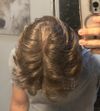
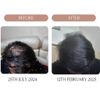
The user is experiencing hair thinning and shedding despite no family history of male pattern baldness. They are considering starting treatments like Minoxidil or finasteride.
A user's successful hair regrowth after 7 months of using 5% minoxidil, 1mg finasteride, and adding micro needling 4 months ago. The user also took biotin, fish oil, and collagen supplements, and reduced finasteride intake to once every 3 days due to minor libido decay.
The conversation is about finding alternative sellers of a hair loss treatment combining 5% Minoxidil with tretinoin and azelaic acid, and the convenience of using a premixed product. The user currently uses a product from Minoxidilmax and Kirkland Minoxidil.
Considering adding Low Level Laser Therapy (LLLT) to a hair loss prevention regimen; discussing the effectiveness of LLLT, and evaluating double-blind random-controlled trials that have been conducted on laser combs.
Minoxidil may age skin by slowing collagen synthesis, but using collagen peptides and a basic skincare routine might counteract this. Foam minoxidil could reduce systemic absorption and avoid alcohol-related side effects.
The user is seeing positive results in hair growth using a combination of topical minoxidil, finasteride, microneedling, and keto shampoo. They also use a red light panel for collagen rebuilding and are happy with the progress.
A 20-year-old using minoxidil, weekly microneedling, biotin, vitamin D3, rosemary oil, and saw palmetto shampoo for hair regrowth. The user is in the shedding phase and hopes for better results in months 3-6.
A 20-year-old male switched from MorrF5 to Zeelab’s MinoxilF, both containing minoxidil 5% and finasteride 0.1%, and is experiencing unexpected hair shedding. He is seeking guidance on whether the shedding is due to the brand change or if it's a normal reaction.
The conversation discusses using minoxidil 5% with azelaic acid for hair loss treatment. Users share tips on sourcing and mixing azelaic acid with minoxidil.
A group buy for hair loss treatments including Harmine 19a, TM5614, Abiraterone Acetate, and others. A compound, BMS-202, that can potentially reverse gray hair is also mentioned.
A 21-year-old male shares progress pictures showing improvement in hair growth using daily topical minoxidil 5%, microneedling 1.25mm, and 500mg of saw palmetto. He reports new and healthy hair growth, indicating success in managing androgenic alopecia.
SCUBE3, a protein linked to hair growth in moles, was discovered over 25 years ago and is being developed by Amplifica for potential hair loss treatment. Concerns exist about SCUBE3's association with cancer, as it is a protein that promotes cell growth, which could potentially trigger cancer development if used for hair growth therapy.
The user has been using 1mg finasteride and 2.5mg oral minoxidil for three months, noticing new blonde hairs but experiencing ongoing shedding. They also use GHK-Cu, which has improved skin but not hair.
A 25-year-old man shared his one-year progress pictures showing hair regrowth after using 1mg of finasteride and 1ml of minoxidil daily before sleep. Commenters are impressed and hopeful, asking about the timeline of his improvements.
The user shared progress pictures after using minoxidil and microneedling for 1 month and 10 days. They discussed their positive results and experiences with these treatments for hair loss.
A user shared their 4-year hair regrowth journey using 1mg finasteride daily and 5% minoxidil daily, reporting no side effects and noticeable improvement after 6 months. They also use a derma roller to help distribute the minoxidil foam.
A user developed a rash after 3 years of using Kirkland minoxidil foam, possibly due to a change in ingredients. They are considering switching to Foligain or Rogaine foam to avoid further issues.
Hope Medicine's HMI-115 is expected to be released in 2027, with phase 3 trials currently recruiting. Concerns include the safety of targeting prolactin and the potential cost of the treatment.
Minoxidil sulfate is more effective than regular minoxidil, especially for those with low sulfotransferase levels or scalp sensitivity, but it is unstable unless delivered in a liposomal format. Combining minoxidil with tretinoin can enhance effectiveness, and stopping minoxidil use can lead to rapid hair loss.
The conversation discusses hair loss treatment using 1ml of minoxidil twice daily and a 1.5mm dermaroller once a week. One person suggests considering finasteride, while another emphasizes the importance of microneedling in maintaining hair growth.
The user experienced hair regrowth after three months of using 1mg finasteride and inconsistent minoxidil. They plan to be more consistent with minoxidil application to improve results further.
A user shared their 1.5-year experience using Minoxidil, a derma roller, and hair oil for hair loss, noting significant improvements in hair health and density. They also emphasized the importance of a healthier lifestyle and the positive impact of using a product combining Minoxidil with plant extracts.
The conversation discusses the effectiveness and value of a Locklabs pill containing finasteride, minoxidil, biotin, and a low dose of dutasteride for hair loss. The user is uncertain if the .1mg dutasteride dosage is sufficient and worth the cost.
The trial for TDM-105795 has been completed, and it was in phase 2A. The discussion seeks input on the next phases, 2B or 3, based on safety and efficacy.
The user is using 1mg oral finasteride, 1.25mg oral minoxidil nightly, and ketoconazole shampoo weekly for hair loss, reporting no side effects. They self-prescribed after inconsistent use of topical minoxidil, using Lonitab from Intas pharmaceutical.
A 27-year-old male experienced significant hair regrowth in two months using a daily oral 3-in-1 pill containing 1.1mg finasteride, 5mg minoxidil, and 1mg biotin from LockLab, with no side effects reported. The user also uses a derma-stamp twice a week to promote blood flow and stimulate growth.
A user shared their 3-month hair loss progress using finasteride, minoxidil, low-level light therapy, pumpkin seed oil, and rosemary oil. The user saw a reduction in balding crown size but couldn't determine which treatment was most effective.