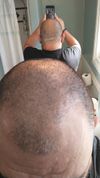
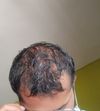
A user's experience with microneedling monotherapy and potential treatments such as finasteride, minoxidil, Stemoxydine, rosemary oil, peppermint oil, and RU58841 for reversing hair loss.
Some users report encouraging results with laser caps for hair loss, while others see no improvement. Treatments mentioned include low-level laser therapy, Minoxidil, and finasteride.
The conversation discusses hair loss treatments, including finasteride, microneedling, minoxidil, and PTD-DBM. The user has not noticed significant regrowth and is considering cost-effective options like valproic acid.
A product called HairMDL includes Minoxidil, Dutasteride, Latanoprost, caffeine, Tretinoin, and Triamcinolone. Users are curious about its effectiveness and safety, particularly regarding the topical steroid Triamcinolone.
The conversation discusses using Bimatoprost for eyebrow regrowth and its potential use on the hairline, with concerns about cost and side effects. Alternatives like topical Minoxidil are mentioned, but the user is worried about aging and acne.
Minoxidil 0.5% MMP® showed better results in parietal-vertex regions for less advanced female pattern hair loss compared to Minoxidil 5%. MMP® with Minoxidil can improve the quality of life for these patients.
User "al_ick" shares progress with topical fin, min, tret, and micro needling for hair loss, showing good results. They use hims fin and min combination spray, applying 5-7 sprays for better coverage.
A person is experimenting with microneedling on one temple while using Minoxidil to address hair loss. They plan to needle weekly and apply Minoxidil twice daily, avoiding application around needling sessions.
A user shared a 3-month hair regrowth progress using minoxidil and microneedling. They also use rosemary oil and plan to continue treatment for at least 6-9 more months.
The user shared progress pictures after 4 months of using 5% topical minoxidil and microneedling for hair loss. They discussed their positive results and experiences with these treatments.
The conversation discusses using a custom topical from Skin Medicinals containing latanoprost for hair loss, which helps move hairs into the anagen phase. The user is curious about the cost and effectiveness of this treatment.
A user's progress with treating hair loss, using minoxidil, finasteride and microneedling. The user experienced impressive results after four months of treatment, and mentioned that stopping recreational drugs and losing weight helped their hair regrowth.
The conversation discusses using 23andme to determine if someone might respond well to minoxidil for hair loss treatment, and mentions the user's personal experience with micro-needling and minoxidil.
The user had been using Minoxidil and Dutasteride with micro-needling but experienced hair loss after switching Minoxidil brands. Their doctor prescribed oral Minoxidil and Tretinoin, but the pharmacist suggested isotretinoin might be a more cost-effective alternative.
The conversation discusses microneedling techniques and the use of Minoxidil, copper peptides, EGF, FGF, ceramides, and hydration serums to enhance hair growth. It explores optimizing scalp conditions and the potential benefits of various compounds in conjunction with microneedling.
DLQ01, a prostaglandin F2α analog, shows promise for hair growth by directly stimulating PGE2/PGF receptors without needing conversion, and can be combined with minoxidil and retinoids like tretinoin for enhanced effectiveness. Minoxidil's efficacy may be reduced by COX-1 inhibitors, but using prostaglandin analogs like Latanoprost or Bimatoprost can help maintain its effectiveness.
The user reported noticeable hair improvement over four months using 1 mg of finasteride and weekly microneedling. Progress photos from October 2024 to January 2025 show positive changes.
A user shared their positive experience using Fleava (copper peptides), minoxidil, and micro needling for hair regrowth, noting significant improvement in their hairline. Other users believe the success is primarily due to micro needling and minoxidil.
The user is using oral minoxidil for hair loss and is considering trying Latisse on their hairline. They are also curious about the effects of latanoprost, caffeine, and melatonin topicals.
The conversation discusses the effectiveness of commercial Low-Level Laser Therapy (LLLT) devices for hair growth, suggesting they are underpowered compared to the ideal energy output shown in medical research. A user plans to build a custom helmet that meets the required specifications for effective treatment.
The user has been using a topical solution of minoxidil 5% and finasteride 0.025% daily, along with dermastamping every two weeks and ketoconazole shampoo twice a week for four months. The treatment is for hair loss.
The conversation is about a user experiencing positive hair regrowth results after using finasteride, minoxidil spray, dermapen, and low-level light therapy (LLLT) for four months. The user recommends using a specific device for LLLT and mentions using the Hims spray for finasteride and minoxidil.
Minoxidil may not be effective due to low sulfotransferase activity, and the user considers adding tretinoin to the regimen. They are unsure about the timing and combination with microneedling.
A user diagnosed with Alopecia Areata started using Litfulo (ritlecitinib), kenalog shots, and mometasone furoate 0.1%. They shaved their head and are seeking others' experiences with Litfulo.
A user's 3-month update on their hair loss treatment, which consists of topical Minoxidil (6%), topical Finasteride (0.3%) and microneedling 1.5mm weekly; other users shared positive feedback and asked about the specifics of the treatments being used, such as product/brand, frequency, side effects and areas for microneedling.
The user has been using minoxidil, finasteride, and microneedling for two years, resulting in significant hair regrowth and plans for a 4000 graft hair transplant. The treatments have strengthened the donor area, making a hair transplant feasible.
A 29-year-old male experiencing hair loss due to TRT is using minoxidil and dermarolling but is hesitant to use finasteride or dutasteride due to potential side effects. He is considering low level laser therapy (LLLT), PRP, ketoconazole shampoo, and oral minoxidil as additional treatments. A reply suggests that without a DHT blocker like finasteride or dutasteride, other treatments may not be effective long-term.
Minoxidil and microneedling are causing new hair growth, particularly in the center of the hairline, creating a more prominent M shape. Users discuss the progress and potential benefits of the treatment.
A 26-year-old male with grade 3 hair loss is using 2.5 mg oral minoxidil, 1 mg finasteride, 5% minoxidil, ketoconazole shampoo, and kLM d3. He plans to post progress pictures every 6 weeks and is seeking suggestions.