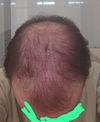
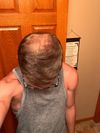
Microneedling for hair loss, with concerns about cost and conflicting information on protocols. The user is unsure about purchasing and reusing microneedling stampers.
A 42-year-old male using Minoxidil since June reports hair regrowth and thickening, with additional improvements from vitamin supplements and stress-reducing medication. Suggestions include adding topical finasteride and microneedling for better results.
The user shared progress pictures after one year of using finasteride and minoxidil for hair loss. They initially tried microneedling but stopped due to pain and side effects.
Ketoconazole shampoo is primarily used to reduce scalp fungus and inflammation, not to block DHT or androgen receptors. It may help with seborrheic dermatitis and improve scalp health, but its effects on hair loss are minimal compared to treatments like finasteride.
A trans woman is using 10 mg oral minoxidil, dutasteride, and estradiol for hair regrowth and is also doing dermastamping despite the pain. Users discuss the benefits of dermastamping for serum absorption and hair follicle stimulation, with some expressing surprise at the high minoxidil dosage.
The conversation discusses experimenting with microneedling for hair loss, specifically addressing non-responsiveness and the use of topical treatments like dutasteride, minoxidil, and tretinoin. The user seeks advice on effective frequency and depth combinations for better results.
A 42-year-old is using a topical solution with 5% minoxidil and 0.1% finasteride, along with weekly microneedling, for hair regrowth without side effects. The product used is Tugain for men by Cipla, an Indian brand.
A 27-year-old is experiencing increased hair shedding despite using minoxidil, finasteride, and microneedling. They are concerned about the shedding and seek reassurance and advice from others.
Hair regrowth progress using finasteride, minoxidil, and dermarolling. Visible improvements started around month 6, with initial shedding from minoxidil.
The user is using a hair regrowth treatment plan that includes finasteride, microneedling, minoxidil foam, ketoconazole shampoo, and piroctone olamine shampoo. They are seeking advice on the effectiveness of their regimen and dosage of finasteride, and are curious about others' experiences with piroctone olamine.
The user has been using oral finasteride and topical minoxidil for three years, seeing some regrowth initially but mostly maintenance afterward. Suggestions for further improvement include trying dutasteride, RU58841, or a hair transplant.
The user shared their 4-year hair regrowth journey using finasteride, minoxidil, RU58841, microneedling, and Nizoral shampoo. They plan to adjust their RU58841 dosage and are considering a hair transplant if current methods don't yield desired results.
The user showed progress in hair regrowth using topical Minoxidil, oral Finasteride, and derma rolling with tretinoin. They seek advice on achieving Norwood 1 and the number of grafts needed for hairline restoration.
The user shared a 6-month update on using dutasteride, minoxidil, and a dermaroller for hair regrowth, reporting positive progress. Other users discussed switching from finasteride to dutasteride, with mixed opinions on effectiveness and side effects.
The conversation is about using microneedling with minoxidil and finasteride for hair loss treatment. Users discuss the frequency and needle depth for microneedling, and the timing of minoxidil application, with varying opinions on the best practices.
A 32-year-old is using finasteride, oral and topical minoxidil, microneedling, and keto shampoo to treat hair loss, noticing healthier hair and new tiny hairs on previously bald areas. They are hopeful for more visible results in the coming months and encourage others to try the treatment.
The user underwent a hair transplant in Turkey and has been using a topical solution with 5% minoxidil and 0.0025% finasteride, along with Ket 2% shampoo and derma rolling, to maintain hair status. They are uncertain about improvements, noting thicker non-transplanted hair, and are considering increasing medication frequency to enhance results.
Red light therapy with dual wavelengths (650nm and 850nm) can stimulate hair regrowth without DHT blockers. Consistent use of a panel with these wavelengths has shown positive results in hair regrowth.
Microneedling with finasteride, minoxidil, DMSO, and black seed oil shows mixed hair regrowth results. There are concerns about DMSO's safety and effectiveness.
The user is considering switching from topical to oral finasteride due to lack of progress with their current hair loss treatment, which includes topical fin/min, microneedling, Nizoral shampoo, oral minoxidil, biotin, collagen, tretinoin, and hair masks. A suggestion was made to try oral finasteride for potentially better results and to monitor progress over 6-12 months.
The user is using dutasteride, oral and topical minoxidil, Nutrafol, Revita shampoo, ketoconazole shampoo, and a derma roller for hair regrowth. They plan to get a hair transplant next year.
An 18-year-old is experiencing hair loss and has been using topical minoxidil consistently for over a year, with some improvement in hair density. They tried switching to a combination of topical finasteride and minoxidil but experienced possible side effects, so they returned to using only minoxidil, along with biotin and dermarolling, and are seeking advice on whether finasteride might still be effective for them.
A 22-year-old is using dutasteride and oral minoxidil for hair loss but is not seeing improvements and is considering adding pyrilumatide and microneedling. Suggestions include trying topical minoxidil, microneedling, and Nizoral shampoo, with a possible future hair transplant.
The user has been using dutasteride and oral minoxidil for over three years with good results and is seeking additional treatments to improve hair growth by 10-15%. Suggestions include derma stamping, red light therapy, deep massage, caffeinated shampoos, and biotin supplementation.
The conversation discusses sourcing hair loss treatments from India to reduce costs. The treatments include Morr F Minoxidil + Finasteride solution, Traya Recap Hair Serum, a derma roller, and Man Matters DHT Blocking Shampoo and Conditioner.
The user experienced significant hair regrowth using a regimen of minoxidil 5% twice daily, finasteride 1 mg daily, microneedling, ketoconazole 2% twice a week, and occasional castor and coconut oil, along with daily scalp massages. They are optimistic about reversing their Norwood 5/6 hair loss.
The user is experiencing noticeable hair regrowth after 2 months using oral finasteride, topical minoxidil, weekly dermastamping, and ketoconazole shampoo. They report thicker hair, especially at the temples, and are surprised by the improvement.
The conversation is about hair regrowth results after two months using oral finasteride, oral and topical minoxidil, and weekly dermarolling. The user shared before and after photos to show progress.
A 25-year-old male has been using 5% Minoxidil, 1.25 mg Finasteride, and weekly microneedling for hair loss but sees no improvement after a year. Despite a healthy lifestyle, his hairline continues to recede, and he seeks advice.