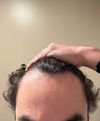
Mixing minoxidil and alfatradiol in one bottle may affect their effectiveness due to potential stability issues. It's recommended to apply them separately for full benefits.
A user experienced heart problems after taking 1mg finasteride and 2.5mg oral minoxidil and is considering quitting minoxidil. Others discussed their experiences with heart issues and minoxidil, with some suggesting topical minoxidil as a safer alternative.
A 20-year-old is experiencing hair thinning and is considering Clascoterone and Minoxidil as treatments, avoiding finasteride due to concerns about fertility and hormones. A suggestion was made to use Clascoterone for local DHT targeting and combine it with Minoxidil for maintenance and regrowth while avoiding systemic side effects.
Koshine 826 (Pyrilutamide) has mixed reviews, with some users experiencing side effects like insomnia and others seeing minimal results. Concerns about the company's transparency and lack of progress photos are noted.
The user switched from finasteride to dutasteride while continuing minoxidil and microneedling, seeing gradual hair regrowth. They are considering adding oral minoxidil and possibly a LLLT helmet for further improvement.
The user is using a regimen of 0.5mg dutasteride, 5% minoxidil foam at night, hair gummies, and rosemary water in the morning to address hair loss. They are experiencing some regrowth and are advised to be patient, with suggestions to possibly increase minoxidil application to twice a day for better results.
A 27-year-old male is experiencing a recurring pattern of hair loss after 5 months of using oral minoxidil and finasteride, despite initial success. He is considering using topical androgen receptor blockers like RU58841, pyrilutamide, or clascoterone to address potential androgen receptor hypersensitivity.
Minoxidil is harmful to pets, especially cats, if they contact it. Users recommend switching to oral minoxidil or taking precautions like washing hands and using head coverings to prevent exposure.
The conversation discusses hair loss treatment progress using Minoxidil, a 0.5mm derma stamp, and caffeine serum, with additional use of rosemary, peppermint, and olive oil. The user is avoiding DHT blockers like Finasteride due to potential interference with other medications.
A user shared their positive experience with hair regrowth using 1mg finasteride and 5% topical minoxidil daily, showing significant improvement in hair density over six months. The conversation includes supportive comments and questions about the treatment details, such as whether finasteride was taken orally or topically and if microneedling was used.
The user has been inconsistently using a 0.1% finasteride and 5% minoxidil topical treatment for hair loss over the past nine months, along with 1% Nizoral once a week. They aim to improve consistency in their treatment this year and report no side effects.
The conversation is about a user's 6-month progress using topical Minoxidil (5%) and oral Finasteride (2.5 mg) for hair loss, emphasizing consistency for results. The user reports some side effects like mental fog and increased body hair but no significant changes in libido.
.
This user experienced positive results from using a combination of minoxidil and finasteride, with no reported side effects after two months. Others have also shared their experiences with both short-term and long-term use of finasteride.
A user plans to create a DIY topical treatment for hair loss using Rapamycin, possibly combined with alpha-ketoglutaric acid (a-KG). They discuss the concentration and formulation process for Rapamycin, considering safety and skin penetration, and intend to apply it every other day to the scalp.
The conversation is about a person's 6-week progress using 2.5 mg oral minoxidil, 0.5 mg dutasteride, weekly derma stamping at 1.5 mm, and rosemary oil for hair loss, with some initial shedding but no side effects. They are optimistic about future results.
A 30-year-old is using topical minoxidil 6% and finasteride for hair loss, showing significant progress over five months. They also use dermastamping, nizoral shampoo, and had a hair and scalp treatment.
The user experienced hair regrowth with finasteride and minoxidil but faced libido issues, leading them to try alternatives like novamaine and a low-dose finasteride/minoxidil solution, which still caused side effects. They are considering reducing the solution's volume, stopping finasteride, or using minoxidil alone, while others suggest alternatives like dutasteride or clascoterone.
The conversation discusses hair loss treatments, specifically topical dutasteride, minoxidil, and finasteride. Users share experiences and opinions on the effectiveness and side effects of these treatments.
The user's 42 month experience using finasteride for hair loss, their opinion on minoxidil use and the potential of pyrilutamide and another Chinese drug as treatments.
User started oral finasteride 0.33mg daily and later made a topical solution with cetirizine and stemoxydine. They experienced hair growth progress after 8-9 months and discussed factors affecting their results.
The conversation discusses using cyproterone acetate at 12.5 mg to manage hair loss, with concerns about its effects on testosterone and potential health issues. Other treatments mentioned include finasteride, dutasteride, minoxidil, and RU58841, with varying experiences and outcomes.
A user is considering dutasteride mesotherapy versus oral finasteride for hair loss, with concerns about side effects. Other users share experiences with both treatments, suggesting oral finasteride as more effective and cost-efficient, while also discussing the use of minoxidil, alfatradiol, and potential side effects like gynecomastia.
The user started using topical Minoxidil and Procapil, then added oral Minoxidil and Finasteride, seeing some hair thickening but no improvement in the frontal hairline. They believe nutrition, sleep, and lifestyle impact hair health and are seeking ways to track hairline and medication use.
High cost of studying 3α-Hydroxysteroid dehydrogenase in hair loss led to suggestions of crowdfunding for research. Users discussed using Procyanidin B2/melatonin topical treatment and tracking funds with blockchain.
The conversation discusses using magnesium oil and microneedling to promote hair growth, alongside finasteride, due to financial constraints preventing the use of minoxidil. Another suggestion includes using a certilizine solution for hair health.
Finasteride and minoxidil are effective for hair loss, with many users finding them manageable as part of a daily routine. Costs can be reduced by purchasing generic versions, and while some users express concerns about long-term use, most agree the benefits outweigh the inconvenience.
The user has seen marginal improvement in hair loss after increasing finasteride from 1 mg three times a week to daily and using minoxidil inconsistently. They plan to start microneedling and are considering using it on both their scalp and face.