Minokem-N's composition is unclear, with concerns about unlisted hydrocortisone. Users discuss alternatives like AloATM, which lacks soothing agents, and the challenges of verifying ingredients.
HMI-115 is a new drug developed by Bioinvent and licensed by Bayer, with mixed opinions on its potential effectiveness. Some users are skeptical and prefer proven treatments like Minoxidil, finasteride, and RU58841.
There is an inconsistency between the molecular weight and formula listed on EveryChem's product page and the analytical PDFs for 3HP and PP30, suggesting a possible error in the product description. Concerns are raised about EveryChem's business practices and lack of transparency in testing and manufacturing.
A 46-year-old male shared his 3-week progress using HIMS serum with Finasteride 0.3% and Minoxidil 6%, showing improvement without noticeable shedding. His routine includes vitamins, a healthy diet, and specific hair care practices like microneedling and using caffeine solution.
A user shared their positive experience with scalp micropigmentation (SMP) to cover hair thinning and a scar, choosing it over hair transplants due to its non-invasive nature and realistic results. They recommend SMP for those struggling with hair loss, emphasizing the importance of finding a trusted artist.
A 51-year-old woman switched from Minoxidil to Maneup, a copper peptide treatment, experiencing initial hair loss but later regrowth with different hair texture. Users debated Maneup's effectiveness, with some considering it alongside finasteride.
Green tea extract and soy isoflavones may help with hair loss by inhibiting DHT and providing additional health benefits. Combining these with finasteride and possibly using nizoral shampoo could enhance effectiveness in managing hair loss.
The user shared a 10-month hairline update using 5% topical Minoxidil and 2.5% oral Finasteride, noting some improvement despite a second shedding phase. They switched to oral Minoxidil for convenience, which may have caused the shedding.
The potential availability of a new hair loss treatment called HMI-115, which has shown promising results in experiments on monkeys but is not yet available to the public. Replies cautioned against using unproven substances from shady labs.
MCL-1 protein may help maintain hair follicles in the growth phase and prevent miniaturization. There is interest in experimental treatments like exosomes, peptides, or stem cell serums to upregulate MCL-1 for hair loss, especially for those not using minoxidil or finasteride.
PP405 is a new hair growth stimulant different from Minoxidil, currently in phase 2 trials. Users discuss its potential, safety concerns, and the long wait before it might be available.
A user shared a list of natural supplements they tried that did not stop their male pattern baldness (MPB), including vitamin D, biotin, and various oils. The conversation includes skepticism and jokes about one of the methods, injecting jellyfish mucus into testicles, and mixed opinions on the effectiveness of natural treatments.
The user reports progress in hair regrowth using topical finasteride/minoxidil, microneedling, topical dutasteride, latanoprost, and MSM supplements. They express frustration over the lack of interaction on progress posts compared to trivial topics.
A 21-year-old male is using a Minoxidil (10%) and Finasteride (0.1%) topical solution with a Keraglo Men tablet for hair loss, experiencing positive results without side effects. He advises another user to prepare questions for a dermatologist visit and discusses potential treatment adjustments.
P-1075 is a more potent hair growth agent than Minoxidil, but it poses significant heart risks, making it unsafe for use. Despite promising results in macaques, concerns about its cardiotoxicity in rats have halted its development.
A user is concerned about hair loss in the temple area despite using Minoxidil and finasteride for 10 months and is curious if PP405 can help. Responses indicate uncertainty about PP405's effectiveness, with some optimism about future treatments and AI speeding up drug discovery, but emphasize waiting for clinical trial results.
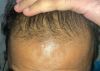
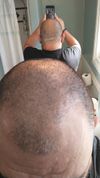
The user has been using a topical solution containing minoxidil and finasteride for 10 months but is not satisfied with the results, as there is no significant hair regrowth or thickening. They are questioning whether they are a non-responder or if they should continue the treatment longer.
A user is trying to reverse male pattern baldness (MPB) naturally by taking high doses of Vitamin D, improving diet, exercising, reducing stress, and other lifestyle changes, but plans to use finasteride if no results are seen in 60 days. Other users are skeptical, advising medical treatments like finasteride and warning against potential vitamin D overdose and the ineffectiveness of natural remedies for genetic hair loss.
The user reported noticeable hair improvement over four months using 1 mg of finasteride and weekly microneedling. Progress photos from October 2024 to January 2025 show positive changes.
A 29-year-old doctor in Australia shares his 10-year experience with finasteride and 1-year experience with oral minoxidil for hair maintenance, reporting no significant side effects and effective hair preservation. He also uses a nizoral shampoo and a compounded tablet containing finasteride, minoxidil, and a multivitamin.
A user did not respond to finasteride, dutasteride, and oral minoxidil for hair loss after four years of treatment and is considering scalp micropigmentation (SMP). Other users suggest the hair loss pattern may indicate alopecia areata and recommend seeing a dermatologist.
The user is considering another hair transplant or scalp micropigmentation (SMP) for a congenital bald spot, but previous transplants were less effective due to scar tissue. Suggestions include using hair fibers, changing hairstyles, or doing nothing, as the spot is not very noticeable.
This conversation is about a user's progress pictures of 10 month results after using 5% topical minoxidil, which were well-received by other users. Other users suggested that the user add finasteride to their hair loss treatment regimen for longer lasting results.
A 21-year-old male diagnosed with telogen effluvium and male pattern baldness started oral finasteride, which initially slowed hair loss and slightly thickened hair, but experienced increased shedding after surgery. The doctor recommended iron and vitamin D supplements, and the user is seeking additional advice.
PP405 is a safer alternative to JXL069 for hair loss treatment because it penetrates the skin effectively and degrades in the blood, avoiding systemic toxicity. JXL069, when forced into the body, can cause dangerous side effects like lactic acidosis due to its inability to degrade safely.
User "hairlossblows" shares their positive experience with minoxidil, microneedling, and finasteride for hair loss treatment. They report significant hair regrowth, especially in the hairline, and minimal side effects from finasteride.
The user shared their 9-month progress using topical finasteride and minoxidil, a Capillus laser cap, and a dermastamp for hair loss. They noted improvements and emphasized the importance of consistency for better results.
KX826 shows promise as a hair loss treatment with a 10% increase in hair count, but concerns about Kintor's marketing practices and the systemic effects of treatments like GT20029 and RU58841 remain. Users express skepticism and hope, with some preferring traditional treatments like finasteride and minoxidil.
AMP-303 and AMP-601 are new hair loss treatments targeting dermal papilla cells, with AMP-303 showing early efficacy in transitioning vellus hairs to terminal hairs after one injection. Further clinical trials are planned, and these treatments are seen as promising due to their biologic approach and less frequent application compared to daily treatments.