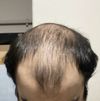
User shared 1-year progress using finasteride 1mg and minoxidil, regaining hair density. Others praised the improvement and asked about side effects and additional treatments.
A user shared their 3-month hair growth progress using 1mg oral finasteride, 5% topical minoxidil, and microneedling with a 1.5 mm dermaroller twice weekly. The user received positive feedback and expressed a desire for thicker hair in the future.
The conversation discusses hair loss treatments, specifically Setipiprant, finasteride, and bimatoprost. Setipiprant is suggested for maintenance, while bimatoprost is for regrowth, and combining them with dermarolling is recommended for better results.
A user describes using a Dermastamp for microneedling their scalp, noting a crunching sound when pressing it firmly. Another user suggests the crunching might be from breaking up scalp calcification.
The conversation discusses the delay in the release of GT20029 for hair loss treatment and skepticism about its effectiveness. Participants mention other treatments like verteporfin and advancements in transplant procedures as more realistic options.
The user underwent a second hair transplant for the crown and mid-scalp, achieving good density. They are using minoxidil, finasteride, and biotin, and considering PRP treatments to enhance growth.
The post is a 1-year update on hair loss progress using topical minoxidil and finasteride treatments. The user has seen good progress, especially in transitioning from a Norwood 3 to a Norwood 2 hair loss pattern.
The user shared their 5-month progress using Minoxidil, finasteride, and weekly dermastamping, noting improvements in their hairline and crown. They also use a saw palmetto shampoo and have not experienced shedding yet.
The user has mostly recovered hair density using finasteride, alternating oral and topical minoxidil, and occasional dermarolling, but the crown area is still struggling. Advice includes continuing treatment for up to 24 months and possibly consulting a doctor if issues persist.
KX-826 Max combines KX-826, Kopyrrol, and Kopexil as a potential alternative to minoxidil and finasteride for hair loss, but users express skepticism about its effectiveness and high cost. Some users believe traditional treatments like minoxidil, finasteride, and others are more reliable.
A 21-year-old has been using 1mg finasteride and 2.5% minoxidil for 9 months with some improvement in hair density. They plan to add collagen, 1% ketoconazole shampoo, and biweekly microneedling to their routine.
A 23-year-old male shared his 4-month progress using 1mg finasteride daily, along with B-12 and D3+K2 supplements, to address hair loss. He sought feedback on using generic finasteride and shared his journey to regain confidence.
A 49-year-old man has been using 1 mg of finasteride daily and microneedling weekly for four months to address hair loss, with no side effects and noticeable progress. He shares his experience and encourages others to consider treatment options without fear.
The user plans to dermaroll and use minoxidil for hair loss over the next 4 months, documenting progress monthly. They will also consider finasteride later and include vitamins, a custom shampoo, castor oil, scalp massages, and increased water intake in their regimen.
A 21-year-old shares their one-year progress using finasteride for hair loss, experiencing initial shedding but eventual regrowth, especially on the crown. They consider switching to dutasteride due to continued hair loss at the front temple and mid-scalp areas.
The conversation discusses the potential effectiveness and risks of using topical finasteride for hair loss, with considerations about using DMSO as a vehicle for application. Concerns are raised about DMSO's safety, absorption issues, and the systemic effects of topical finasteride.
A 21-year-old male shares progress pictures showing improvement in hair growth using daily topical minoxidil 5%, microneedling 1.25mm, and 500mg of saw palmetto. He reports new and healthy hair growth, indicating success in managing androgenic alopecia.
The user has been using finasteride for 10 months with no significant regrowth but no further hair loss and is considering adding oral minoxidil despite concerns about side effects. Other users suggest combining finasteride with minoxidil for better results, as finasteride prevents further hair loss while minoxidil aids regrowth.
A user reported hair regrowth using a homemade topical solution of minoxidil and finasteride sourced from Pakistan, combined with microneedling, after experiencing hair loss with UK-based products. They claim a reduction in hair loss from 200-300 to 3-5 hairs a day and advise against spending money on branded products.
AMP-303, a new injectable treatment for androgenetic alopecia, showed promising results in increasing hair count and density with minimal side effects. The treatment demonstrated significant hair regrowth and durability, offering new hope for those with hair loss.
Nearly 40% of adults with alopecia areata achieved at least 80% scalp hair coverage after 52 weeks of taking OLUMIANT® 4-mg. The conversation distinguishes this success from androgenetic alopecia, which is a different type of hair loss.
The conversation discusses microneedling techniques and the use of Minoxidil, copper peptides, EGF, FGF, ceramides, and hydration serums to enhance hair growth. It explores optimizing scalp conditions and the potential benefits of various compounds in conjunction with microneedling.
The conversation is about starting a hair loss treatment using a topical solution containing RU58841, Minoxidil, and Copper Peptides. The user plans to test the product and share updates on its effectiveness.
A user is experiencing worsening hair loss despite using finasteride, PRP treatments, and supplements like vitamin D, biotin, zinc, and iron. They are seeking advice on whether to continue with finasteride, increase the dosage, or try additional PRP sessions.
Carpronium chloride 5% is a hair growth treatment in Japan, considered less effective than minoxidil or finasteride. Some users report moderate success with it, but its efficacy is not well-verified.
A 36-year-old has been using 1mg oral finasteride daily and minoxidil foam twice daily for 18 months, experiencing significant hair regrowth with no side effects. Initial shedding occurred, but noticeable improvements began around 11 months, with major changes by 16 months.
A 24-year-old male experienced significant hair regrowth after 10 months of using oral minoxidil and finasteride chewables from Hims, with no side effects. He noticed increased hair volume, especially at the front, and recommends trying the medication for hair loss.
User discusses scalp micropigmentation for denser hair appearance and its benefits compared to lifelong treatments. Special ink is used, which can fade and blur over time but can be topped up.
A user shared their successful hair regrowth journey using 1mg finasteride daily, 1ml minoxidil nightly, and weekly 1.5mm microneedling. They reported some side effects like reduced semen thickness but are satisfied with the results and recommend topical minoxidil over oral.