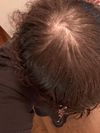
Pelage Pharmaceuticals announced positive Phase 2a trial results for PP405 in hair loss therapy. The conversation discusses the delay in publishing full results and the need for further trials and approvals.
Orient Bio is developing a PLGA formulated version of Cyclosporine A to stimulate hair growth without its immunosuppressant effects. Users discuss various treatments like Clascoterone, PP405, minoxidil, and tacrolimus, expressing hope for new developments and sharing personal experiences with these treatments.
Topical sodium valproate may promote hair growth by inhibiting GSK3β, allowing beta-catenin to proliferate, but it has potential side effects and requires more research. The conversation also mentions skepticism about a product called Vdphlo1, which includes sodium valproate and other ingredients.
The conversation discusses the potential of topical rapamycin, metformin, and alpha-ketoglutarate (a-KG) for hair growth, with skepticism expressed about their effectiveness based on personal experience and existing use. It also mentions AICAR, known as cardarine or GW, which is not suitable for long-term use due to cancer risks in animal studies and its similarity to metformin.
Scalp micropigmentation (SMP) is a debated hair loss solution, with some praising its natural look and low maintenance, while others criticize it for looking unnatural and being a temporary fix. Many prefer traditional hair restoration methods like hair transplants or medications such as finasteride and minoxidil.
A 24-year-old man is experiencing hair shedding after starting Minoxidil and Creatine, and is concerned about accelerated hair loss. A user suggests that Creatine does not increase DHT levels and recommends considering oral Dutasteride, low-dose oral Minoxidil, and Ciclopirox Shampoo, advising consultation with a doctor.
The user must stop minoxidil due to a heart murmur and is considering alternatives like nanoxidil or stemoxydine while continuing dutasteride. Suggestions include adding pyrilutamide and alfatradiol or switching to topical minoxidil at a lower concentration.
PP405 is progressing to Phase 2b trials, with results expected in late 2025 or early 2026, and potential Phase 3 trials in 2026. Some users experienced side effects from finasteride and are hopeful for PP405 as an alternative treatment.
The conversation discusses how different factors can stimulate type 1 and type 2 isoforms of 5-alpha reductase, which are enzymes linked to hair loss. Specific treatments mentioned include oral Dutasteride and topical Finasteride.
The user reports positive results using a multi-peptide serum for hair density, combined with finasteride and melatonin, after stopping minoxidil. They experienced hair regrowth after previously losing hair despite using finasteride and minoxidil.
The user is considering using P5P to reduce high prolactin levels and is questioning if oral minoxidil could be contributing to the issue. They are also debating whether to switch from oral to topical minoxidil.
The user experienced significant hair regrowth using topical Minoxidil and Finasteride but had to stop due to high liver enzyme levels. They plan to pause treatment for a month to see if their liver values return to normal.
The conversation discusses using Pyrilutamide, Alfatradiol 0.1%, and Minoxidil for hair loss treatment. Pyrilutamide is described as a strong antiandrogen, and Alfatradiol is noted for its effectiveness in inhibiting DHT on the scalp.
Extended-release oral minoxidil (VDPHL01) shows promising results for hair growth with improved safety, achieving significant hair count increases and minimal side effects compared to placebo. The treatment is designed to maintain effective concentrations while reducing side effects, making it a safer option for those who cannot tolerate standard minoxidil.
A user reports significant hair density increase and new growth at the temples after two months of using finasteride, minoxidil, ketoconazole, dermarolling, MK-677, zinc, and vitamin D3, with shedding stopping a week ago. They recently added MK-677 to their regimen.
KX-826 (Pyrilutamide) being tested in the US for hair loss treatment and that they have found enough people to participate in phase II clinical trials. Other treatments discussed are Minoxidil, finasteride, and RU58841.
The conversation discusses hair loss linked to BDNF-increasing nootropics like Semax and Lions Mane. Suggested topical treatments include capsaicin, beta-glucan, and ginseng to counteract TGF-B activation.
Creating a propylene glycol-free Minoxidil and Tretinoin solution to reduce skin irritation and enhance effectiveness. An emulsifier like lecithin can help mix Tretinoin properly, and Minoxidil foam is an alternative without propylene glycol.
The conversation is about the potential dangers of taking oral minoxidil and grapefruit juice together. Some users express concern about dangerous drug interactions, while others argue that grapefruit juice may inhibit the metabolism of finasteride. The conclusion is that grapefruit juice may make finasteride less effective, but it won't affect minoxidil.
The post discusses using Mucuna pruriens, essential oils, and dermarolling for hair loss treatment. The user also mentions pausing testosterone-boosting herbs due to side effects like acne and hair loss.
Minoxidil can prevent hair follicle miniaturization, not just stimulate hair growth. Finasteride and dutasteride don't work for everyone, suggesting DHT may not be the sole cause of hair loss; hair loss could be due to multiple factors, including autoimmune conditions.
Tretinoin may enhance minoxidil's effectiveness for those not responding to minoxidil alone, but it could reduce efficacy for some who are already responding to minoxidil. Tretinoin requires careful use, including skin moisturizing and sun protection due to increased sensitivity.
Melatonin's effect on aromatase expression is unclear, with studies showing both increases and decreases. Hormonal impacts are complex and inconsistent, similar to changing health advice on other substances.
The conversation discusses potential hair loss treatments focusing on stimulating IGF-1 at the follicle level using growth-factor cocktails and engineered peptides, such as Acetyl Tetrapeptide-3, Copper Tripeptide-1, Oligopeptide-20, Thymosin-β4, and Palmitoyl Tetrapeptide-7. It suggests that device-assisted delivery methods like microneedling may enhance effectiveness.
The conversation discusses the delay in the PP405 Phase 2 study results, now expected by the end of 2025, and skepticism about research practices. There is also mention of optimism for Amplifica's AMP303 and a topical treatment in early testing.
The post and conversation are about hair loss treatments that have been found to be effective in studies. There are 19 different treatments mentioned, including oral minoxidil, oral dutasteride, topical finasteride, RU58841, and more. The best treatment for an individual depends on factors like availability, cost, side effects, and personal preferences.
Significant hair regrowth was achieved using RU58841, minoxidil, and microneedling during a high-dose steroid cycle. The user reported no side effects from RU58841 and plans to continue the regimen.
Minoxidil may not be effective due to low sulfotransferase activity, and the user considers adding tretinoin to the regimen. They are unsure about the timing and combination with microneedling.