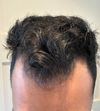
The conversation discusses the potential of a new hair loss treatment, GT20029, which targets androgen receptors in the scalp and is in phase 1 trials in China. Users express hope that this treatment will be more effective than current options like Minoxidil and Finasteride.
The user has been using Minoxidil, Finasteride, and biotin for hair regrowth over four years, recently adding microneedling with a derma pen. They are considering increasing microneedling frequency, trying minoxidil pills, and possibly using Dutasteride for better results.
Oleic acid and microneedling are being explored for hair regrowth, but results are mixed. Addressing DHT and fibrosis is crucial, with treatments like finasteride, minoxidil, and scalp massage also discussed.
The user "Bishiop" shared a progress update on their hair density and strength after adding Minoxidil to their routine. They are also using Finasteride and microneedling. They hope to fill in their hairline by the end of the summer.
The user shared their 6-month progress using 5mg oral minoxidil, 1mg oral finasteride, topical 5% minoxidil, tretinoin, and weekly microneedling, noting improved results after adding these treatments post hair transplant. They hope for continued improvement.
The conversation is about someone experiencing hair regrowth after using finasteride (1mg) for six months, minoxidil 5% for five months, and microneedling twice a week. Respondents agree there is noticeable improvement in hair growth.
A nearly 50-year-old male achieved significant hair regrowth and thickening over three years using daily finasteride, twice-daily topical minoxidil, and bi-weekly microneedling with a dermastamp. He experienced no side effects and found microneedling particularly effective for the crown area.
A stem cell and adenosine triphosphate cocktail showed promising results in hair regrowth for male and female mice, with potential for future clinical trials. Users humorously reacted to the success in mice, expressing hope for human application.
A 32-year-old man has been treating his hair loss with daily oral finasteride (1.25g), twice-daily topical minoxidil, weekly ketoconazole 2% shampoo, and weekly microneedling for almost three months, with no side effects from finasteride. He started with a Hamilton Norwood scale rating of 5 and has seen improvement without experiencing pain by using a 0.8mm needle length for microneedling.
A 43-year-old from Thailand shares progress after 1 month using topical finasteride, minoxidil, tretinoin cream, and weekly microneedling for diffused thinning. Users compliment his appearance and suggest he doesn't need treatment.
A user who shared progress pictures of their scalp using a microscope camera, demonstrating the difference between healthy and miniaturized hair. Various explanations for the cause of this were discussed, such as DHT build-up in scalp sebum causing an autoimmune response leading to inflammation and eventual hair loss, with some suggesting a do-it-yourself treatment involving adding ascorbic acid powder to shampoo.
A user named Narnz00 shared their progress pictures for hair loss after using 1mg finasteride, topical minoxidil, and 1mm dermarolling. They mentioned having no side effects and consulting with professionals.
A 24-year-old shares progress on hair regrowth after 3 months using 2.5mg oral minoxidil, 0.5mg dutasteride, and scalp injections of dutasteride, minoxidil, and vitamins every two weeks. They are uncertain if the improvement is due to actual regrowth or just longer hair.
Microneedling is considered an important addition to hair loss treatments like Finasteride, Minoxidil, and Nizoral, with evidence suggesting it enhances Minoxidil's effectiveness and can improve hair growth on its own. Users discuss various microneedling techniques, including heavy weekly sessions and lighter daily sessions, while expressing concerns about potential scalp damage and discomfort.
Microneedling the scalp can cause sneezing, runny nose, and watery eyes due to nerve stimulation, histamine release, reflex actions, or sinus relief. Several users experience similar symptoms.
A 32-year-old is seeing new hair growth after two months of using minoxidil foam twice daily, finasteride every other day, and weekly microneedling. They previously had a hair transplant but did not use medication afterward, which they now regret.
A Phase 1 update for the HMI 115 clinical trial, which involves 16 participants and is expected to end in July 2023; as well as changes to the recruitment process, including treatment protocols with Minoxidil, Finasteride, and RU58841.
The user is two months into a hair loss treatment routine using Minoxidil 5%, microneedling with a 1.5mm needle once a week, Finasteride, and Biotin+collagen supplements, reporting thicker hair. Another user suggests microneedling is very effective, and a question is asked about the timing of Minoxidil application after microneedling.
The conversation is about hair regrowth progress using a combination of treatments: dutasteride, minoxidil, RU58841, ketoconazole, and monthly microneedling. The user reports that microneedling and topical minoxidil had the most impact on their hairline.
Chime Biologics and Hope Medicine are speeding up the launch of a first-in-class antibody drug, HMI-115, for endometriosis and androgenic alopecia. The treatment involves a series of subcutaneous injections, has shown promising results in phase 1, and continues to promote hair regrowth even after the treatment is stopped.
A 26-year-old is starting a hair loss treatment using 1mg oral finasteride daily, 5% topical minoxidil foam twice daily, 2% ketoconazole shampoo weekly, and microneedling once a week. They noticed worsening hair loss over the past year and are seeking advice.
The user reported using Morr-F (topical finasteride and minoxidil), microneedling, castor and coconut oil, rosemary oil, and various supplements. They observed some hair regrowth, particularly fine hair on the crown and hairline, after four months of needling and three weeks of Morr-F.
Users discussed using GHK-Cu and AHK-Cu peptides with microneedling for hair loss, noting some small changes after 7-8 weeks. They mentioned continued shedding but no widening of the part.
A user reports significant hair regrowth after 3 months using finasteride, minoxidil, microneedling, Nizoral shampoo, biotin, and vitamins. They apply minoxidil twice daily, dermaroll twice a week, and use Nizoral shampoo twice a week.
The conversation is about experimenting with microneedling and growth factor topicals for hair growth, avoiding Minoxidil due to shedding concerns. The treatment includes microneedling, growth factor topicals, finasteride, biotin, and a caffeine shampoo.
Slow, steady progress on hair loss treatments such as finasteride, minoxidil, microneedling and Nizoral; the need for patience when using these treatments over a period of months or years; and how to deal with discouragement due to slow progress.
A 21-year-old started using topical minoxidil, finasteride (0.7 mg), and microneedling for hair loss treatment after beginning to bald at 18. They are eager to see the results after two months of treatment.
A user shared their positive experience using Fleava (copper peptides), minoxidil, and micro needling for hair regrowth, noting significant improvement in their hairline. Other users believe the success is primarily due to micro needling and minoxidil.
The user is considering a second hair transplant or scalp micropigmentation to address thinning in the crown area and hide scars from a previous transplant. They have been using finasteride and minoxidil for three years but are concerned about the appearance of their donor area and the effectiveness of scalp micropigmentation.