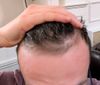
The user is treating hair loss with dermarolling, a laser helmet, scalp massages, and Nizoral. They stopped using minoxidil and finasteride and are considering pumpkin seed oil and sulforaphane.
A 32-year-old is seeing new hair growth after two months of using minoxidil foam twice daily, finasteride every other day, and weekly microneedling. They previously had a hair transplant but did not use medication afterward, which they now regret.
A 29-year-old male is experiencing positive hair regrowth after 3 months using oral finasteride (1mg) and topical minoxidil (1ml twice daily), despite side effects like scalp itchiness and dandruff. He plans to continue the treatment long-term and may switch to foam minoxidil to alleviate scalp issues.
A 43-year-old experienced hairline regrowth after 9 months using finasteride, oral and topical minoxidil, dermarolling, and vitamins. Users discussed the effectiveness and dosage of these treatments, with some expressing concerns about high doses and potential side effects.
Hair loss treatment with finasteride, minoxidil, microneedling, and nizoral shows impressive results after 3 years. Dermatologist recommended starting with finasteride before adding other treatments.
A user shared their 3.5-month progress using 1 mg oral finasteride daily, 5% topical minoxidil nightly, and a dermaroller weekly, reporting no side effects. Others congratulated the user on their progress and inquired about side effects, to which the user confirmed experiencing none.
A humorous discussion about hair loss treatments, specifically mentioning minoxidil and oral use. The conversation includes a satirical take on a worker at a minoxidil factory.
A 24-year-old male shares his one-year progress using oral finasteride (1 mg) and minoxidil (3 mg) for hair growth, reporting positive results without significant side effects. Other users discuss their experiences with these treatments, including concerns about side effects and the importance of consulting a doctor.
User shared progress pictures after 3 months using 5% topical minoxidil in the morning, 0.3% and 6% minoxidil topical spray in the evening, and Nizoral once a week. Photos show improvement in hair density.
Excessive use of topical minoxidil led to unwanted facial changes and side effects. The user plans to switch to oral minoxidil with microneedling for hair regrowth.
Nanoxidil, a minoxidil derivative, is being discussed as a potential hair loss treatment. Users are curious about its effectiveness and side effects compared to minoxidil, with some noting it includes additional ingredients like caffeine.
The conversation discusses a comparison table for a spray combining Minoxidil and Finasteride for hair loss treatment in the UK. Specific treatments mentioned are Minoxidil (Min) and Finasteride (Fin).
A user shared their 3-year progress using finasteride and minoxidil for hair loss, noting significant improvement after adding minoxidil to their routine. They also use a derma roller weekly and apply minoxidil topically to the entire hairline.
The post is about a user's progress in treating hair loss using HIMS FIN/MIN spray and dermarolling. One user suggests taking the 1mg finasteride pill instead of using the topical spray, while another warns against microneedling every day.
A 24-year-old is using 1 mg oral dutasteride and 1 mg oral minoxidil daily, along with monthly mesotherapy including zinc, dutasteride, minoxidil, biotin, and panthenol, to treat hair loss. The user is considering increasing the minoxidil dose but will consult with their doctor first.
A user's 11-month progress using 5mg oral minoxidil for hair loss. The user reported significant hair regrowth, including on the beard and eyebrows, and experienced minor side effects like headaches and increased body hair.
A user is considering using niacinamide serum on their hairline to address dandruff and itching caused by minoxidil. They seek advice on the frequency of application.
The user is updating on their hair loss treatment progress after 4 months using oral finasteride, topical minoxidil spray, and weekly 1mm dermarolling. The crown area is slowly improving, with a smaller bald spot radius compared to the previous month.
A 42-year-old male using Minoxidil since June reports hair regrowth and thickening, with additional improvements from vitamin supplements and stress-reducing medication. Suggestions include adding topical finasteride and microneedling for better results.
A user is seeking recommendations for a minoxidil and tretinoin topical solution, including dosage and purchase locations in the US. They are looking for effective hair loss treatments.
The user shared progress pictures showing improvement in hair growth after one year of using finasteride and minoxidil. They are considering microneedling to further improve their hairline and have chosen to use a derma stamp.
User Crazy-Signature930 shares progress on oral minoxidil for eyelashes and eyebrows. Others comment on the impressive results and ask about side effects and duration of use.
A user shared progress pictures showing improved hair fullness after 75 days using 2.5mg oral minoxidil daily, 1mg oral finasteride every other day, a 1.5mm dermastamp weekly, and daily scalp massages. They report seeing early positive results.
The conversation humorously discusses hair loss treatments, specifically mentioning microneedling, Minoxidil, finasteride, and RU58841. Users joke about using a new microneedling tool to combat hair loss.
A 27-year-old male has been using oral minoxidil and topical finasteride for 3 months, noticing fuller, thicker hair with no side effects. Users discuss the effectiveness and side effects of oral versus topical treatments, with some recommending higher doses or additional treatments like topical minoxidil.
Minoxidil and finasteride are being considered for hair loss due to seborrheic dermatitis and male pattern baldness. The user is also using ketoconazole and zinc pyrithione shampoo.
The user experienced hair regrowth and improved hair density using oral finasteride and topical minoxidil, with microneedling as an additional treatment. They are considering a hair transplant for low-density areas but are uncertain due to existing follicles.